
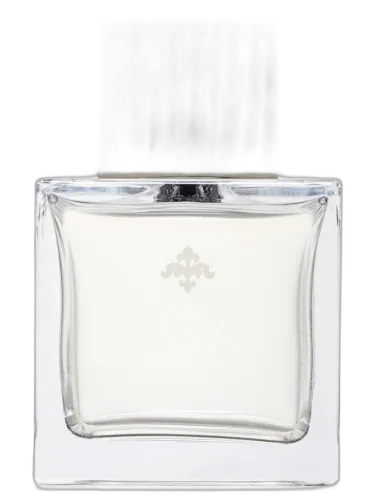

No. 23 The Fragrance Design Studio
At a glance
Is No. 23 The Fragrance Design Studio worth trying?
No.
- Best match
- Casual wear in Spring
- Performance feel
- Moderate longevity with Moderate sillage
- Signature profile
- aromatic, citrus, woody with Juniper, Lemon, Blue Lavender
The first impression
No. 23 by The Fragrance Design Studio is a Aromatic Fougere fragrance for women and men. No. 23 was launched in 2012. The nose behind this fragrance is Cecile Hua.
What shapes the scent
The perfumer behind it

Cecile Hua
Cecile Hua has composed fragrances for 4711, Amouroud, Arielle Shoshana, and Atelier Cologne. Her work ranges from fresh citrus blends like 4711 Acqua Colonia Pink Pepper & Grapefruit to deeper floral and woody creations such as Dark Orchid. She is known for her ability to balance clarity with complexity across different styles.
Notes pyramid
All Notes
Complete scent profile
 Juniper
 Lemon
Lemon
 Blue Lavender
 Lime
Lime
 Iris
Iris
 Sandalwood
Water Notes
Sandalwood
Water Notes
 Amber
Amber
The mood it creates
The Alchemist Archetype: Portrait of No. 23 The Fragrance Design Studio
Essence
The person who gravitates toward No. 23 The Fragrance Design Studio is not one to be easily defined by convention. Their scent is an intricate composition-unexpected, layered, and evolving-much like their own psyche. They are drawn to fragrances that defy simplicity, favoring complexity over mass appeal. This preference reveals a soul that seeks transformation, not merely in the external world but within themselves. They are the Alchemist, the archetype of metamorphosis, experimentation, and the pursuit of deeper meaning.
Style & Aesthetic
Their style is an extension of their inner world-eclectic, intentional, and slightly enigmatic. They favor textures and colors that suggest depth: deep burgundies, midnight blues, matte blacks, and metallics that catch the light just so. Their wardrobe is not dictated by trends but by what resonates with their current state of evolution. A vintage leather jacket might hang beside a tailored wool coat, each representing different facets of their personality.
They appreciate craftsmanship, but not for the sake of status. They seek objects with history, imperfections, and stories-antique rings, hand-bound journals, or a well-worn pair of boots that have traveled as much as they have.
Relationships
The Alchemist does not collect acquaintances; they cultivate relationships with those who can engage them on multiple levels-intellectually, emotionally, and spiritually. They are drawn to people who challenge them, who refuse to settle into predictable patterns. Their closest bonds are often with fellow seekers-artists, philosophers, scientists, or mystics-who share their hunger for depth.
Yet, their intensity can be both magnetic and isolating. They may struggle with impatience toward those who prefer comfort over growth, leading to moments of unintentional elitism. Their shadow emerges when they mistake their own journey for universal truth, dismissing others as "unawakened" rather than recognizing that transformation takes many forms.
Shadow
Every archetype has its dark counterpart, and for the Alchemist, it is the Charlatan-the one who becomes so enamored with the process of transformation that they lose sight of authenticity. They may fall into the trap of performative depth, adopting personas not out of genuine exploration but for the sake of mystique. At their worst, they become lost in their own labyrinth, mistaking complexity for wisdom and obscurity for truth.
They may also struggle with commitment-not just to people, but to their own convictions. The Alchemist’s nature is to question, but when this becomes compulsive, they risk never arriving at a stable sense of self. Their relationships may suffer as they oscillate between intimacy and detachment, always fearing stagnation.
Conclusion
To the Alchemist, life is a crucible-a place where raw experience is refined into wisdom. They do not passively accept reality but engage with it as an active participant, always questioning, testing, and reshaping their understanding. Their philosophy is one of perpetual becoming; they believe in the fluidity of identity and the power of reinvention.
They are drawn to the obscure, the esoteric, and the intellectually stimulating. Their bookshelf is a mix of philosophy, occultism, and avant-garde literature. They might quote Jung one moment and reference an obscure alchemical text the next, not out of pretension, but because they genuinely see connections where others see only fragments.
If you like this, try these
Fragrances with a comparable profile - shared accords, notes, and character.
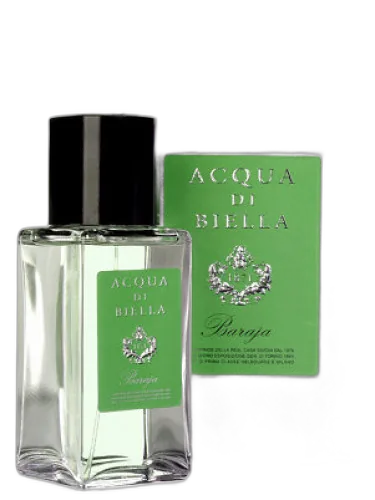
Acqua di Biella
Baraja Acqua Di Biella
Shared top notes: lemon, lime
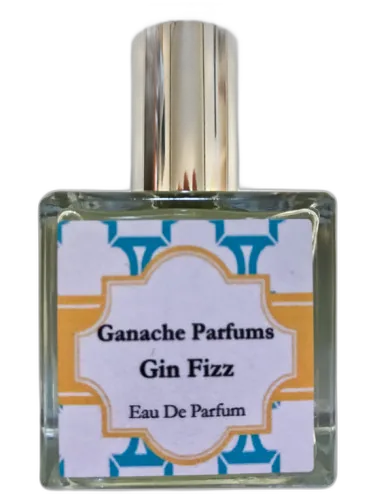
Ganache Parfums
Gin Fizz Ganache Parfums
Shared top notes: juniper, lemon
Thera Cosméticos
Zante Thera Cosméticos
Shared top notes: lemon, lime

Organ Tale
Devenir Organ Tale
Shared top notes: lemon, lime
Fueguia 1833
Valle De La Luna Fueguia 1833
Shared top notes: amber, iris, sandalwood