
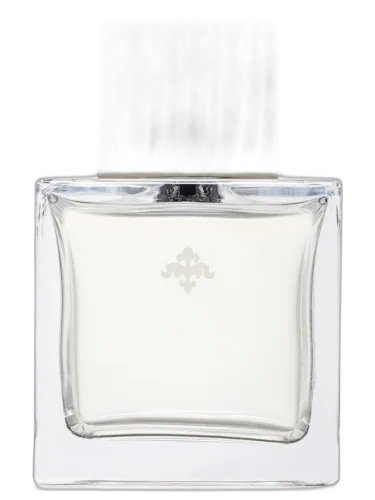

No. 30 The Fragrance Design Studio
At a glance
Is No. 30 The Fragrance Design Studio worth trying?
No.
- Best match
- Casual wear in Spring
- Performance feel
- Moderate longevity with Moderate sillage
- Signature profile
- citrus, fresh spicy, aromatic with Pink Grapefruit, Pink Pepper, Birch
The first impression
No. 30 by The Fragrance Design Studio is a Aromatic fragrance for women and men. No. 30 was launched in 2012. The nose behind this fragrance is Cecile Hua.
What shapes the scent
The perfumer behind it

Cecile Hua
Cecile Hua has composed fragrances for 4711, Amouroud, Arielle Shoshana, and Atelier Cologne. Her work ranges from fresh citrus blends like 4711 Acqua Colonia Pink Pepper & Grapefruit to deeper floral and woody creations such as Dark Orchid. She is known for her ability to balance clarity with complexity across different styles.
Notes pyramid
All Notes
Complete scent profile
 Pink Grapefruit
 Pink Pepper
 Birch
Birch
 Bergamot
 Vetiver
 Basil
Green Apple
Basil
Green Apple
 Heliotrope
The mood it creates
The Alchemist Archetype: Portrait of No. 30 The Fragrance Design Studio
Essence
No. 30 The Fragrance Design Studio is not a scent for those who seek simplicity. It is layered, enigmatic, shifting between warmth and sharpness-much like the person who wears it. This is not a fragrance chosen by accident; it is a declaration of identity, a potion brewed by someone who understands transformation. The individual who favors this scent is, at their core, an Alchemist-an archetype defined by the pursuit of turning the ordinary into the extraordinary, the mundane into the sacred.
Shadow
But every archetype has its shadow. The Alchemist’s brilliance is also their flaw: their relentless pursuit of transformation can become a refusal to accept the present. They may grow frustrated with imperfection-in themselves, in others, in the world. Their idealism can curdle into elitism, a quiet disdain for those who do not share their vision.
They may also fall prey to the illusion that they can control every reaction, every outcome-like an alchemist who believes they can turn lead into gold through sheer will. When life resists their attempts at refinement, they may withdraw into bitterness or melancholy. Their love of depth can become a prison; they forget that sometimes, a thing is beautiful precisely because it is fleeting, unrefined.
Conclusion
Their life is an experiment, a series of trials in refining the self. They are drawn to complexity-philosophy, art, and science are not separate disciplines to them, but threads of the same tapestry. They read Jung not for academic rigor but for the thrill of recognizing themselves in the symbols of the collective unconscious. Their bookshelf is a curated museum of alchemical texts, modernist poetry, and treatises on perfumery. They believe that beauty is not accidental; it is the result of deliberate craftsmanship.
Their style reflects this philosophy. They favor textures that invite touch-soft cashmere, aged leather, silk that whispers against the skin. Their wardrobe is not dictated by trends but by the sensory experience of wearing each piece. They may wear a vintage coat with a modern cut, or a ring with an obscure symbol etched into its surface. Every choice is intentional, a small act of alchemy.
If you like this, try these
Fragrances with a comparable profile - shared accords, notes, and character.
Bentley
Wild Vetiver Bentley
Shared top notes: bergamot, birch, vetiver

Frank Los Angeles
Frank No.1 Frank Los Angeles
Shared top notes: bergamot, pink pepper

Amouroud
Lunar Vetiver Amouroud
Shared top notes: bergamot, pink pepper
Caron
Vétiver Infini (2021) Caron
Shared top notes: bergamot, pink pepper

Panama 1924
Daytona 10 Panama 1924
Shared top notes: bergamot, green apple, pink pepper