
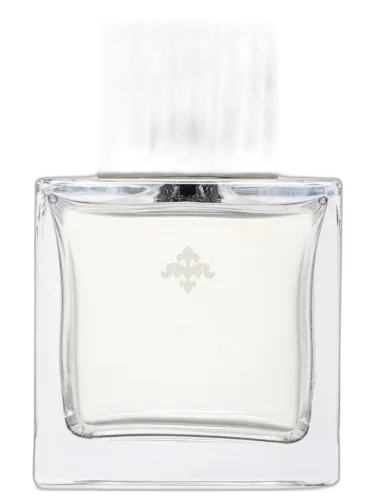

No. 35 The Fragrance Design Studio
At a glance
Is No. 35 The Fragrance Design Studio worth trying?
No.
- Best match
- Evening wear in Fall, Winter
- Performance feel
- Good longevity with Moderate sillage
- Signature profile
- tobacco, woody, amber with Tobacco, Sandalwood, Leather
The first impression
No. 35 by The Fragrance Design Studio is a Woody Aromatic fragrance for women and men. No. 35 was launched in 2013. The nose behind this fragrance is Cecile Hua.
What shapes the scent
The perfumer behind it

Cecile Hua
Cecile Hua has composed fragrances for 4711, Amouroud, Arielle Shoshana, and Atelier Cologne. Her work ranges from fresh citrus blends like 4711 Acqua Colonia Pink Pepper & Grapefruit to deeper floral and woody creations such as Dark Orchid. She is known for her ability to balance clarity with complexity across different styles.
Notes pyramid
All Notes
Complete scent profile
 Tobacco
 Sandalwood
 Leather
 White Amber
 Oakmoss
The mood it creates
The Sage Archetype: Portrait of No. 35 The Fragrance Design Studio
Essence
The one who chooses No. 35 The Fragrance Design Studio is, at their core, a Sage-an archetype defined by wisdom, introspection, and a relentless pursuit of truth. Like the philosopher in their tower, they seek to understand the world through reason, observation, and quiet contemplation. The fragrance itself-sophisticated, layered, and enigmatic-mirrors their mind: complex, refined, and unwilling to settle for the superficial.
Yet, the Sage is not merely a passive observer. They are a curator of meaning, distilling life into its essential forms. Their presence is neither loud nor domineering, but it lingers, leaving an imprint on those who engage with them.
Style & Aesthetic
Their style is understated elegance. They favor neutral tones, clean lines, and fabrics that feel as good as they look-cashmere, linen, tailored wool. There is an intentionality to their appearance, a refusal to be swayed by fleeting fashion. Jewelry, if worn at all, is minimal-perhaps a single signet ring or a watch with a quiet history.
Their fragrance, No. 35, is an extension of this ethos: unisex, timeless, and impossible to pin down. It is not a scent that announces itself; rather, it invites closer inspection. Like them, it is complex without being overwhelming, a blend of intellect and sensuality.
Relationships
They are selective in their connections, preferring a few meaningful relationships over many shallow ones. Their friendships are built on mutual respect and intellectual stimulation-they are drawn to those who challenge them, who can engage in debates without ego.
In love, they are loyal but independent, valuing a partner who understands their need for solitude. They are not prone to grand romantic gestures but express affection through shared silence, thoughtful gestures, and deep conversation. Their shadow here is a tendency toward emotional detachment, mistaking aloofness for strength.
Shadow
For all their wisdom, the Sage risks becoming too removed from life. Their pursuit of understanding can turn into analysis paralysis, where they observe rather than participate. They may intellectualize emotions, distancing themselves from vulnerability. At worst, they become the aloof scholar, admired but untouchable, a mind without a beating heart.
Their greatest challenge is balance-knowing when to step out of the tower and into the world, when to feel rather than think, when to embrace imperfection rather than dissect it.
Conclusion
The one who wears No. 35 is a seeker, a thinker, a quiet force of discernment. They are not without flaws-their introspection can become isolation, their wisdom can harden into cynicism-but they are deeply aware of this tension. Their life is an ongoing experiment in how to be both wise and human, how to hold knowledge lightly enough to still feel the world’s pulse.
In the end, their fragrance is not just a scent-it is a philosophy worn on the skin, a reminder that the most profound truths are often found in the spaces between words.
If you like this, try these
Fragrances with a comparable profile - shared accords, notes, and character.
West Third Brand
Tobacco Leather West Third Brand
Shared top notes: leather, sandalwood, tobacco
Abdes Salaam Attars Perfumes
Chilum Abdes Salaam Attars Perfumes
Shared top notes: sandalwood, tobacco
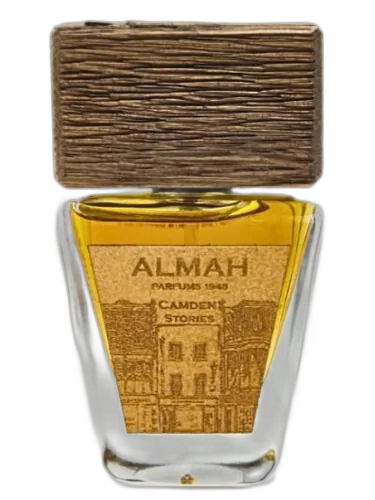
Almah Parfums 1948
Camden Stories Almah Parfums 1948
Shared top notes: leather, tobacco
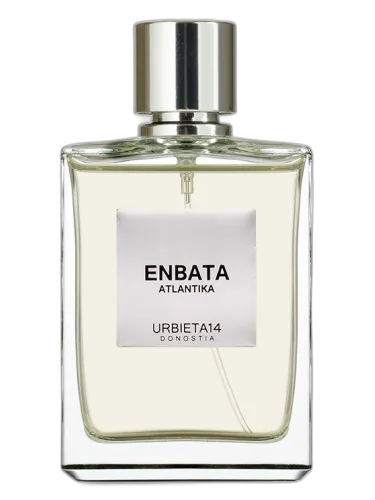
URBIETA14
Enbata Urbieta14
Shared top notes: leather, oakmoss, sandalwood
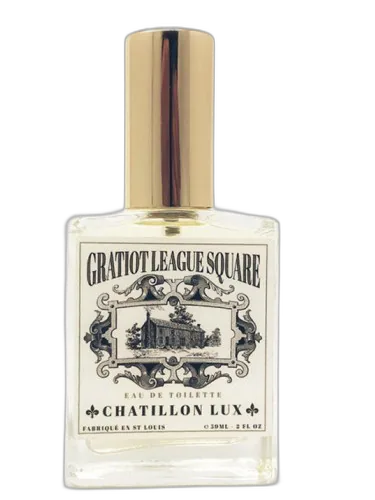
Chatillon Lux Parfums
Gratiot League Square Chatillon Lux Parfums
Shared top notes: leather, sandalwood, tobacco