


Paradiso The Maker
At a glance
Is Paradiso The Maker worth trying?
Paradiso by The Maker is a Floral Fruity fragrance for women and men.
- Best match
- Evening wear in Summer
- Performance feel
- Good longevity with Moderate sillage
- Signature profile
- citrus, tropical, woody with Blood Orange, Mangosteen, Sicilian Bergamot
The first impression
Paradiso by The Maker is a Floral Fruity fragrance for women and men. Paradiso was launched in 2021. Top notes are Blood Orange, Mangosteen and Sicilian Bergamot; middle notes are Ambrette (Musk Mallow), Plumeria and Myrtle; base notes are Moroccan Cedar, Patchouli Leaf and Oakmoss.
What shapes the scent
The perfumer behind it

Unknown Perfumer
Notes pyramid
Top Notes
First impression · 15-30 min
 Blood Orange
 Mangosteen
 Sicilian Bergamot
Heart Notes
Core character · 2-4 hours
 Ambrette (Musk Mallow)
 Plumeria
 Myrtle
Base Notes
Lasting impression · 4+ hours
Moroccan Cedar
Patchouli Leaf
 Oakmoss
The mood it creates
The Creator Archetype: Portrait of Paradiso The Maker
Essence
The one who chooses Paradiso The Maker is drawn to its lush, sun-drenched warmth-a fragrance that evokes golden light filtering through fig leaves, the earthiness of vetiver, and the quiet sensuality of amber. This is not a scent for those who seek to disappear into the crowd; it is for those who wish to carve their own space in the world. Their soul resonates with the Creator archetype, the eternal architect of meaning, the one who molds reality through imagination and will.
They are neither wholly dreamer nor purely pragmatist, but a fusion of both-someone who sees potential where others see only what is. Their life is an ongoing act of creation, whether through art, thought, or the subtle shaping of their environment. They do not merely consume; they transform.
Style & Aesthetic
Their tastes are deliberate, refined, yet never sterile. They prefer objects with history-a well-worn leather journal, a hand-thrown ceramic mug, a vintage silk scarf-because they appreciate the marks of time, the evidence of human touch. Their home is not a showroom but a curated sanctuary, where every texture and hue has been chosen for its ability to evoke feeling.
In music, they gravitate toward compositions that build and unfold-jazz improvisations, classical crescendos, the layered harmonies of folk ballads. They are drawn to literature that explores the act of creation itself: the struggles of poets, the obsessions of painters, the quiet madness of inventors.
Their philosophy is one of becoming-they believe life is not something to endure but to shape. They reject passive existence, seeing it as a kind of spiritual death. Yet they are not reckless idealists; they understand that creation requires discipline, that inspiration must be met with labor.
Relationships
They do not love lightly, nor do they love indiscriminately. Their relationships are deep, often intense, built on mutual recognition of each other’s inner worlds. They seek partners and friends who are also creators-not necessarily in the artistic sense, but in the way they engage with life. A stagnant soul bores them; they crave those who challenge, who question, who refuse to accept the world as given.
Yet this very idealism can become their shadow. They may grow impatient with those who do not share their fervor, dismissing them as dull or uninspired. Their standards, though unspoken, are exacting-and when unmet, they may withdraw into solitude rather than compromise.
Shadow
The Creator’s greatest strength-their relentless drive to shape reality-can also be their undoing. When unchecked, their need for control becomes stifling, not just for themselves but for those around them. They may mistake their personal vision for universal truth, growing rigid where they once were fluid.
Perfectionism haunts them. A project unfinished, a dream unrealized, can gnaw at them like a slow poison. They may oscillate between bursts of manic productivity and periods of paralyzing self-doubt, fearing that nothing they make will ever match the ideal in their mind.
At their worst, they become the Dogmatist of Beauty, enforcing their aesthetic laws upon others with quiet disdain. They forget that creation, at its core, is an act of generosity-not domination.
Conclusion
To transcend their shadow, they must learn the hardest lesson of all: that true creation requires release. A sculptor does not mourn the chipped stone; a writer does not cling to every discarded draft. The act of making is also an act of letting go.
When they embrace this, they become not just creators but alchemists-transforming not only materials and ideas but their own souls. Their life, then, is no longer a series of projects but an ever-unfolding masterpiece, flawed, alive, and utterly their own.
And in the golden warmth of Paradiso The Maker, they find not just a fragrance, but a reflection of their deepest truth: that to create is to breathe, and to breathe is to live.
If you like this, try these
Fragrances with a comparable profile - shared accords, notes, and character.

Fabbrica Della Musa
Opera Infernal Fabbrica Della Musa
Shared accords: aromatic, citrus, earthy

Histoires de Parfums
This Is Not A Blue Bottle 1.3 Histoires De Parfums
Shared top notes: blood orange
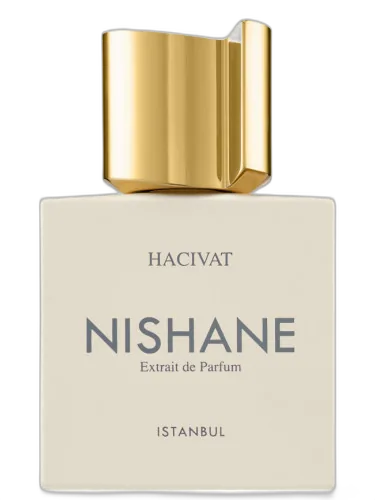
Nishane
Hacivat Nishane
Shared base notes: oakmoss

Odetu
Kiss Me Red Odetu
Shared top notes: blood orange
Jimmy Choo
Urban Hero Gold Edition Jimmy Choo
Shared top notes: blood orange