
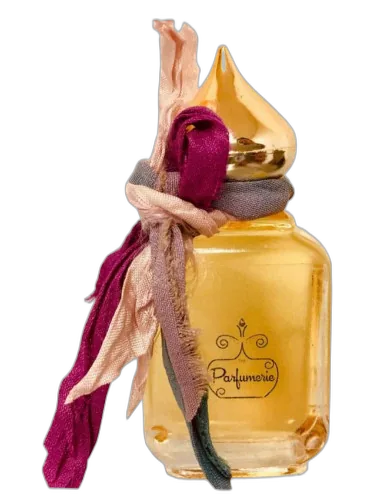

Classic Fudge The Parfumerie
At a glance
Is Classic Fudge The Parfumerie worth trying?
Classic Fudge by The Parfumerie is a Oriental fragrance for women and men.
- Best match
- Casual wear in Winter
- Performance feel
- Good longevity with Moderate sillage
- Signature profile
- sweet, nutty, woody with Hazelnut, Frosting [Glacé], Chocolate
The first impression
Classic Fudge by The Parfumerie is a Oriental fragrance for women and men. Classic Fudge was launched in 2017.
What shapes the scent
The perfumer behind it

Unknown Perfumer
Notes pyramid
All Notes
Complete scent profile
 Hazelnut
![Frosting [Glacé]](/static/images/notes/frosting-glace.webp) Frosting [Glacé]
Frosting [Glacé]
 Chocolate
Spices
Chocolate
Spices
 Fruity Notes
The mood it creates
The Lover Archetype: Portrait of Classic Fudge The Parfumerie
Essence
The person who adores Classic Fudge The Parfumerie is drawn to the scent not for its complexity, but for its deep, enveloping warmth-like the embrace of a hearth in winter. This fragrance, rich with cocoa, vanilla, and caramel, speaks to a soul who finds solace in the familiar, the comforting, the indulgent. Their dominant archetype is The Nurturer, one who thrives in creating spaces of safety and pleasure for themselves and others.
Yet, like all archetypes, The Nurturer has its shadow-the risk of overindulgence, of clinging too tightly to comfort, of smothering rather than sustaining.
Style & Aesthetic
Their tastes are rooted in sensory pleasure, favoring textures and flavors that evoke warmth: thick knitted sweaters, well-worn books, slow-cooked meals. Their home is likely filled with soft lighting, plush furniture, and the faint aroma of baked goods-deliberately curated to feel like a refuge.
They prefer classic, timeless styles over fleeting trends, choosing clothing that feels as comforting as it looks-cashmere scarves, well-fitted denim, leather boots softened by years of wear. Their aesthetic is not one of austerity but of abundance-a celebration of life’s small luxuries.
Their days are structured around small rituals-morning coffee in their favorite mug, evening baths with scented oils, weekend baking sessions. They find joy in repetition, in the predictability of these moments.
Yet this same love of routine can make them resistant to change. They may stay too long in unfulfilling jobs or relationships simply because disruption feels unbearable. Their greatest challenge is learning that growth often requires discomfort.
Philosophy & Values
To them, pleasure is not frivolous-it is essential. They reject the puritanical notion that joy must be earned; instead, they believe in the moral necessity of comfort, of kindness to the self as much as to others. Their philosophy is one of gentle hedonism: life is too harsh to deny oneself sweetness.
Yet this philosophy has its limits. Their insistence on comfort can sometimes border on escapism-a reluctance to engage with the bitter, the challenging, the unresolved. They may avoid conflict, retreating instead into their cocoon of warmth, mistaking avoidance for peace.
Relationships
In relationships, they are the steady flame-the one who remembers birthdays, who brings soup to the sick, who listens without judgment. Their love language is acts of service, often expressed through food, touch, and the creation of safe spaces.
But their shadow emerges when their nurturing becomes possessive. They may struggle with boundaries, giving too much and then resenting the lack of reciprocity. Their fear of abandonment can make them cling, mistaking dependency for devotion.
Shadow
The Nurturer’s greatest flaw is their reluctance to face the cold. They may avoid necessary confrontations, suppress their own needs to maintain harmony, or indulge in escapism rather than addressing problems. Their love of sweetness can, at times, become a refusal to taste life’s bitterness-a denial that stunts their own evolution.
Conclusion
When at their best, they are not merely indulgent but wise in their kindness-knowing when to soothe and when to challenge, when to comfort and when to push forward. Their true strength lies not in avoiding discomfort but in making it bearable-for themselves and for others.
They are the reminder that life, though often harsh, can still be softened-but only if one does not mistake softness for weakness.
If you like this, try these
Fragrances with a comparable profile - shared accords, notes, and character.
Victoria's Secret
Toasted Honey Victoria's Secret
Shared top notes: hazelnut

Tonias' Handmade
Chocodream Tonias' Handmade
Shared top notes: chocolate, hazelnut

Bath & Body Works
Pumpkin Pecan Waffles Bath & Body Works
Shared top notes: spices
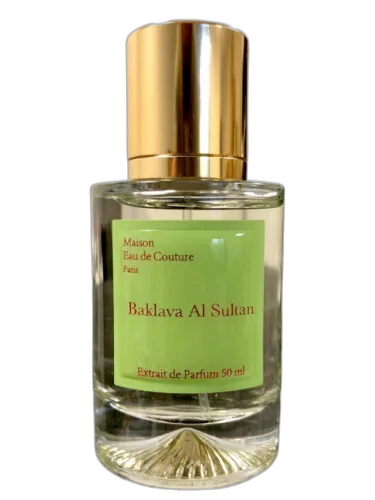
Maison Eau de Couture
Baklava Al Sultan Maison Eau De Couture
Shared top notes: hazelnut

Natura
Spfw Beleza Natura
Shared top notes: fruity notes