
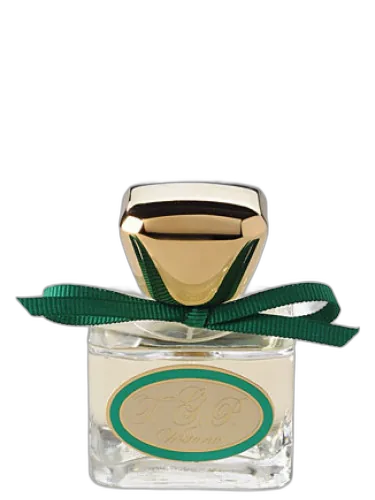

The Garden Party Wistaria The Party
At a glance
Is The Garden Party Wistaria The Party worth trying?
The Garden Party Wistaria by The Party is a Oriental Floral fragrance for women.
- Best match
- Special Occasion wear in Spring
- Performance feel
- Good longevity with Moderate sillage
- Signature profile
- citrus, floral, white floral with Bergamot, Amalfi Lemon, Tangerine
The first impression
The Garden Party Wistaria by The Party is a Oriental Floral fragrance for women. The Garden Party Wistaria was launched during the 2000's. Top notes are Bergamot, Amalfi Lemon, Tangerine and Petitgrain; middle notes are Wisteria, African Orange Flower, Pansy and Lily-of-the-Valley; base notes are Tolu Balsam, Musk and Amber.
What shapes the scent
The perfumer behind it

Notes pyramid
Top Notes
First impression · 15-30 min
 Bergamot
 Amalfi Lemon
 Tangerine
 Petitgrain
Heart Notes
Core character · 2-4 hours
 Wisteria
 African Orange Flower
 Pansy
Pansy
 Lily-of-the-Valley
Base Notes
Lasting impression · 4+ hours
 Tolu Balsam
 Musk
Musk
 Amber
Amber
The mood it creates
The Lover Archetype: Portrait of The Garden Party Wistaria The Party
Essence
The one who adores The Garden Party Wistaria The Party is ruled by the Enchantress-an archetype of allure, mystique, and cultivated beauty. She is neither the innocent maiden nor the ruthless seductress, but a woman who understands the power of subtle magnetism. Like the wistaria vine, she wraps herself in elegance, drawing others near with an effortless grace. The Enchantress does not demand attention; she orchestrates it.
Her fragrance-soft yet lingering, floral but with a whisper of something deeper-mirrors her essence. It is not loud, but it lingers in memory, much like her presence. She is drawn to beauty that is transient, delicate, yet intoxicating, just as the wistaria blooms briefly but leaves an indelible impression.
Philosophy & Values
She believes in the sacredness of moments. To her, life is not about accumulating experiences but about savoring them. A perfectly brewed cup of tea, the way sunlight filters through leaves, the cadence of a well-told story-these are her treasures. She values depth over spectacle, subtlety over brashness.
Her relationships are curated with the same care as her surroundings. She is not one for large circles of acquaintances, preferring a few kindred spirits with whom she can share unspoken understandings. She listens intently, remembers details, and makes others feel as though they are the only person in the room. This is not manipulation, but an extension of her philosophy: to be truly present is the highest form of generosity.
Yet, she is not without her contradictions. She resists mundanity, sometimes to the point of impracticality. The mundane world-bills, errands, the unglamorous mechanics of existence-can feel beneath her, and she may retreat into her aesthetic refuge rather than engage with life’s rougher edges.
Shadow
The Enchantress’s greatest strength-her ability to shape perception-is also her greatest peril. When unbalanced, she becomes the Illusionist, weaving fantasies so intricate that even she may lose sight of reality. She may avoid difficult truths, preferring the comfort of her carefully constructed world. Her charm, so effortless in its grace, can turn performative-less an expression of authenticity, more a mask.
There is a danger, too, in her preference for the ephemeral. She may resist commitment, not out of fear, but because permanence lacks the intoxicating shimmer of fleeting beauty. Love, to her, is most alive in its early stages-the first glance, the unspoken tension-and she may grow restless when it settles into routine.
She is neither wholly the dreamy aesthete nor the calculating charmer, but a woman who moves between these poles. Her challenge is to embrace the impermanent without forsaking depth, to enchant without losing herself in the performance. When she succeeds, she is like the wistaria-rooted yet airy, delicate yet enduring.
And when she fails? She becomes a ghost in her own garden, mistaking the fragrance of memory for the substance of life. But even then, there is beauty in her longing-for she, more than most, understands that the most exquisite things are often just out of reach.
Conclusion
Her world is an aesthetic sanctuary. She surrounds herself with objects that tell a story-vintage teacups, pressed flowers in old books, silk scarves that carry the faintest trace of perfume. Her home is neither minimalist nor cluttered, but composed, as if each item were chosen for its ability to evoke emotion. She might collect art, not for investment, but for the way a particular shade of blue stirs something in her.
Her style is refined but never stiff. She favors flowing fabrics, soft pastels, and textures that invite touch-cashmere, chiffon, linen worn smooth with time. There is an intentionality to her appearance, yet she avoids the sterile perfection of modern fashion. Instead, she cultivates a look that suggests she stepped out of a forgotten garden party, where time moves languidly and every gesture is poetry.
If you like this, try these
Fragrances with a comparable profile - shared accords, notes, and character.
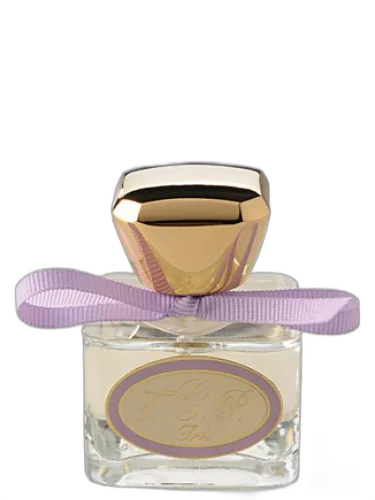
The Party
The Garden Party Iris The Party
Shared top notes: amalfi lemon, bergamot, petitgrain
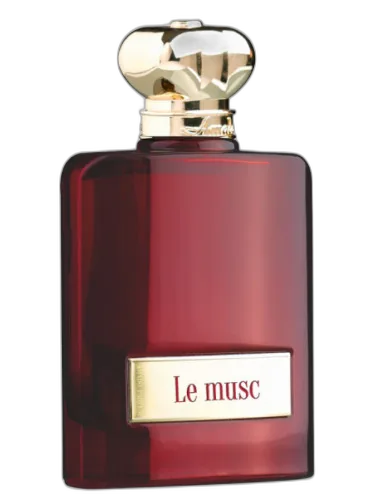
Amado
Le Musc Amado
Shared top notes: bergamot
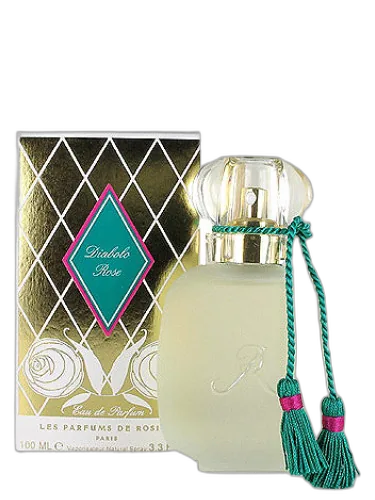
Les Parfums de Rosine
Diabolo Rose Les Parfums De Rosine
Shared top notes: bergamot
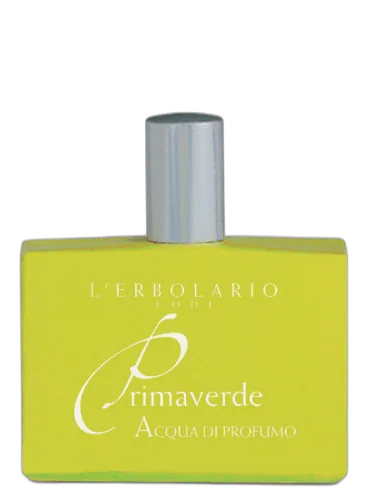
L'Erbolario
Primaverde L'erbolario
Shared top notes: amalfi lemon, bergamot
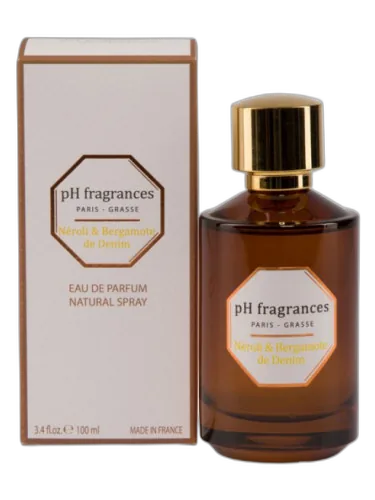
pH Fragrances
Neroli & Bergamote Of Denim Ph Fragrances
Shared top notes: bergamot