


A.maze The People Of The Labyrinths
Fragrance Story
A.Maze by The People Of The Labyrinths is a fragrance for women. A.Maze was launched in 2007. The nose behind this fragrance is Arturetto Landi. Top note is Saffron; middle notes are Taif Rose, Rose and Orange Blossom; base notes are Agarwood (Oud), Woodsy Notes, Sandalwood, Musk and Civet.
Composition Profile
About the Perfumer

Arturetto Landi
Arturetto Landi is an Italian perfumer known for his work with brands like Adjiumi and Al-Jazeera Perfumes. His style balances classic structure with bold contrasts, often blending rich resins with unexpected floral or gourmand notes. Notable creations include the complex 1918 Parfum National series and the intense, darkly sweet Adjiumi Incubo.
Fragrance Notes
Top Notes
First impression · 15-30 min
 Saffron
Heart Notes
Core character · 2-4 hours
 Taif Rose
 Rose
Rose
 Orange Blossom
Base Notes
Lasting impression · 4+ hours
.jpg) Agarwood (Oud)
Agarwood (Oud)
 Woodsy Notes
 Sandalwood
 Musk
Musk
 Civet
Civet
A.maze The People Of The Labyrinths by The People Of The Labyrinths offers a distinctive olfactory experience that stands out from other fragrances in its category.
Crafted with the finest ingredients and a blend of traditional and modern perfumery techniques, this fragrance represents the pinnacle of the perfumer's art.
A.maze The People Of The Labyrinths embodies the distinctive style of The People Of The Labyrinths while adding a unique chapter to their fragrance portfolio.
Character Profile
The Seeker Archetype: Portrait of A.maze The People Of The Labyrinths
Essence
To wear A.maze by The People of the Labyrinths is to embrace the scent of paradox-an olfactory riddle that shifts between clarity and obscurity, structure and chaos. The person drawn to this fragrance is no mere consumer of perfumes but a wanderer of the mind, one who finds beauty in the unresolved. Their archetype is unmistakable: The Seeker.
The Seeker is defined by an insatiable curiosity, a refusal to settle for the given, and a hunger for the undiscovered. They are not content with maps; they crave the labyrinth itself. Like Theseus, they enter not just to conquer but to be transformed. The Seeker’s journey is not toward a fixed destination but toward deeper questions-each answer only revealing another layer of mystery.
This archetype fits the A.maze lover because the fragrance itself is an enigma-spicy yet smooth, woody yet ethereal. It does not announce itself with brute force but lingers in the periphery, inviting interpretation. The wearer, too, exists in this liminal space-never fully here nor there, always in motion.
Style & Aesthetic
Their wardrobe is curated but never rigid-a blend of structured minimalism and unexpected textures. They favor dark, earthy tones but may wear a single bold piece-a scarf, a ring-that disrupts the harmony. Their home is similarly layered: clean lines interrupted by odd artifacts-a half-finished sketch, a peculiar stone from a trip, a well-worn deck of tarot cards.
They appreciate music that evokes longing-ambient soundscapes, post-rock crescendos, or jazz that spirals into abstraction. Film and art must leave room for interpretation; they despise didactic narratives. A movie that answers all its questions is forgettable; one that lingers like a scent is treasured.
Philosophy & Values
Their life is a tapestry of contradictions. They may hold a stable career, yet their mind is nomadic, drifting through philosophies, art, and esoteric knowledge. They are drawn to writers like Borges, who wove labyrinths into literature, and thinkers like Nietzsche, who saw truth as a mountain with no summit. Their bookshelf is a mix of psychology, mythology, and speculative fiction-each a doorway to another world.
They value authenticity above all, despising the superficial. Yet this very disdain can become a shadow-an intolerance for those who do not share their depth. Their relationships are intense but fleeting; they crave connection but fear stagnation. Partners must be fellow travelers, not anchors. If someone grows too predictable, the Seeker grows restless.
Shadow
Yet the Seeker’s strength is also their flaw. Their relentless pursuit of the new can make them perpetually dissatisfied. They may abandon projects, relationships, or even versions of themselves before they reach fruition. The labyrinth, after all, has no exit-only deeper turns.
Their fear of confinement can manifest as emotional detachment. They may rationalize leaving people behind as "necessary evolution," failing to see the cost of their restlessness. At their worst, they become the Wanderer-not the enlightened pilgrim but the ghost who cannot stay, haunted by the thought that the real answer lies just beyond the next bend.
Conclusion
The Seeker at their best is a guide, not just a drifter. They learn that the journey is not about escaping but about deepening. They begin to see that the labyrinth is not outside but within-and that true discovery comes from stillness as much as motion.
They do not stop seeking, but they learn to linger in the maze, to appreciate the beauty of the path itself. And in doing so, they find that the fragrance they wear-much like their life-is not a puzzle to be solved but an experience to be lived.
Similar Fragrances
Fragrances with a comparable profile - shared accords, notes, and character.
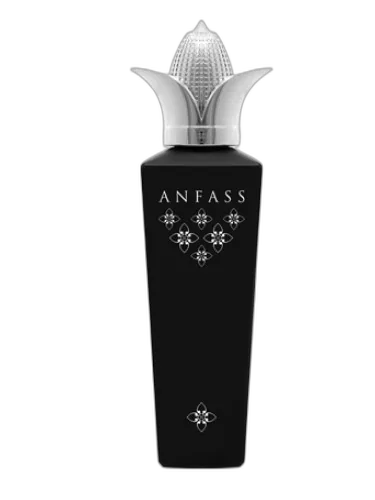
Anfas
El Zafran Anfas
Shared accords: musky, oud, powdery

Al Shareef Oudh
Mukhmal Al Shareef Oudh
Shared accords: musky, oud, powdery
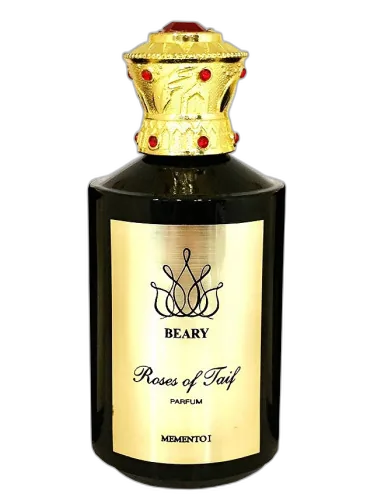
Beary
Roses Of Taif Beary
Shared accords: oud, powdery, rose

YanFroloff
Encens Yanfroloff
Shared accords: musky, oud, powdery
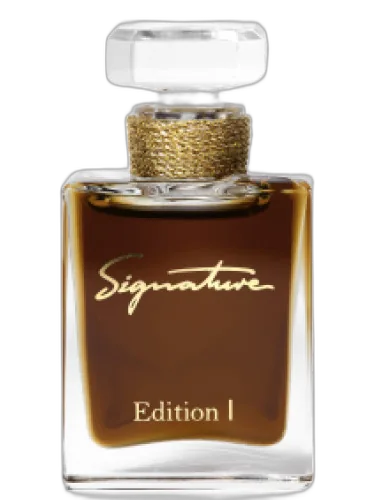
Signature Yashmagh
Edition 1 Signature Yashmagh
Shared accords: musky, oud, powdery