

Luctor Et Emergo Eau De Toilette The People Of The Labyrinths
At a glance
Is Luctor Et Emergo Eau De Toilette The People Of The Labyrinths worth trying?
Luctor et Emergo Eau de Toilette by The People Of The Labyrinths is a Oriental Vanilla fragrance for women and men.
- Best match
- Evening wear in Fall, Winter
- Performance feel
- Moderate longevity with Moderate sillage
- Signature profile
- sweet, cherry, vanilla with Cherry, Marzipan, Precious Woods
The first impression
Luctor et Emergo Eau de Toilette by The People Of The Labyrinths is a Oriental Vanilla fragrance for women and men. Luctor et Emergo Eau de Toilette was launched in 1997. The nose behind this fragrance is Arturetto Landi.
What shapes the scent
The perfumer behind it

Arturetto Landi
Arturetto Landi is an Italian perfumer known for his work with brands like Adjiumi and Al-Jazeera Perfumes. His style balances classic structure with bold contrasts, often blending rich resins with unexpected floral or gourmand notes. Notable creations include the complex 1918 Parfum National series and the intense, darkly sweet Adjiumi Incubo.
Notes pyramid
All Notes
Complete scent profile
 Cherry
 Marzipan
 Precious Woods
 Vanilla
 Grass
Grass
 White Flowers
The mood it creates
The Alchemist Archetype: Portrait of Luctor Et Emergo Eau De Toilette The People Of The Labyrinths
Essence
The person who chooses Luctor Et Emergo ("I struggle and emerge") as their signature fragrance is defined by the Alchemist archetype. They are drawn to transformation-both of the self and the world around them. Like the alchemists of old, they seek to transmute the raw, chaotic elements of life into something refined, meaningful, and enduring. This is not mere escapism; it is a relentless pursuit of depth, a belief that struggle is necessary for rebirth.
Their scent-dark, resinous, smoky, yet with an underlying warmth-mirrors their essence: complex, enigmatic, and unafraid of shadows.
Style & Aesthetic
Their aesthetic is darkly refined-think gothic elegance with a modern edge. They favor deep hues (black, burgundy, forest green), textures that suggest history (worn leather, aged wood), and subtle, intentional details. Their wardrobe is not loud but weighted, each piece chosen for its symbolic resonance rather than trend.
In art and music, they gravitate toward the mythic and melancholic-Baroque compositions, post-punk, surrealist paintings, anything that evokes a sense of mystery. They prefer literature that demands interpretation-Borges, Pessoa, Bataille-where meaning is layered, never handed freely.
They thrive in environments that allow solitude and reflection-dimly lit libraries, late-night cafés, mist-covered forests. Their home is a sanctuary of symbolism, filled with books, incense, and artifacts that serve as talismans of thought. They may practice meditation, journaling, or other rituals that facilitate inner alchemy.
Professionally, they are drawn to fields that allow for creative transformation-psychology, art, writing, occult studies, or any discipline where meaning is excavated rather than imposed. They are not career-climbers but seekers, valuing insight over accolades.
Philosophy & Values
They believe in the necessity of friction. Comfort is stagnation; struggle is alchemy. Their philosophy is one of controlled disintegration-they willingly enter psychological labyrinths, knowing that only by losing themselves can they find something greater. They are not optimists, nor pessimists, but alchemists of experience, distilling meaning from both joy and suffering.
Their values are rooted in authenticity, transformation, and depth. Superficiality disgusts them; they crave substance, whether in art, conversation, or relationships. They are drawn to the esoteric, the overlooked, the things that require effort to understand.
Relationships
They are selectively intimate, not out of coldness, but because they value depth over breadth. Their friendships are few but unshakable, built on mutual understanding rather than convenience. Romantic partners must be willing to navigate their labyrinthine mind-those who seek simplicity will find frustration.
Yet, their intensity can be overwhelming. They do not suffer small talk gladly, and their relentless introspection can make them seem distant or self-absorbed. They expect others to match their depth, which can lead to disappointment when most do not.
Shadow
Every alchemist risks becoming lost in their own labyrinth. Their greatest strength-their depth-can twist into isolation or obsession. They may withdraw too far into introspection, mistaking solitude for wisdom. At worst, they become dogmatic in their search for meaning, dismissing anything that does not fit their vision as trivial.
They must remember: Emerging is as vital as struggling. The true alchemist does not merely dissolve the self in darkness-they return, bearing something new.
Conclusion
They are not content with surfaces. Their life is a continuous act of distillation-refining experience into essence. Luctor Et Emergo is not just a fragrance for them; it is a creed. They will always wrestle with shadows, but in doing so, they become something more than they were.
And perhaps, in the end, that is all that matters.
If you like this, try these
Fragrances with a comparable profile - shared accords, notes, and character.

The People Of The Labyrinths
Luctor Et Emergo The People Of The Labyrinths
Shared top notes: cherry, grass, vanilla

Fort & Manle
Late Harvest Fort & Manle
Shared top notes: cherry, vanilla
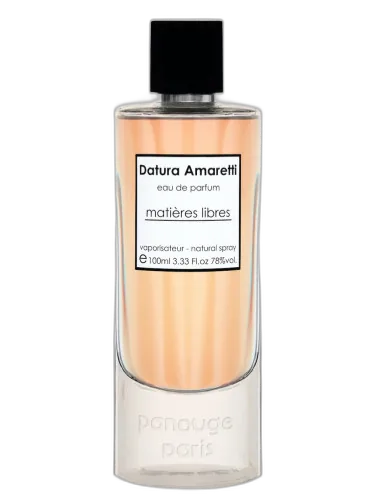
Panouge
Datura Amaretti Panouge
Shared top notes: cherry
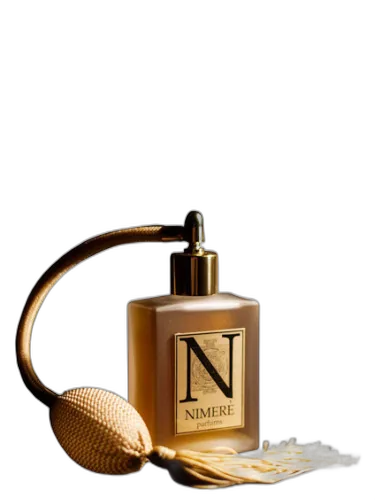
Nimere Parfums
Quantico Nimere Parfums
Shared accords: almond, cherry, green
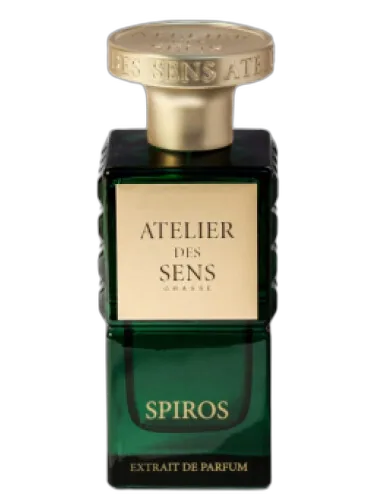
Atelier Des Sens
Spiros Atelier Des Sens
Shared top notes: cherry, vanilla, white flowers