
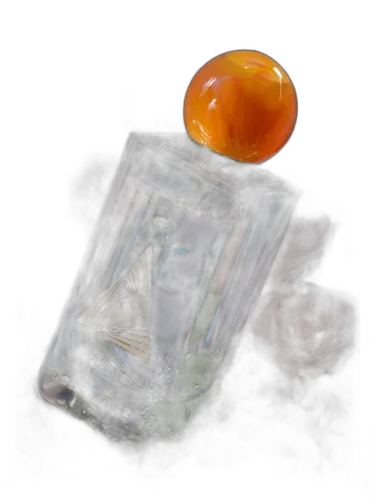

Le Spectre De La Rose Theatre Des Parfums
At a glance
Is Le Spectre De La Rose Theatre Des Parfums worth trying?
Le Spectre de la Rose by Theatre des Parfums is a Floral fragrance for women and men.
- Best match
- Special Occasion wear in Spring
- Performance feel
- Moderate longevity with Intimate sillage
- Signature profile
- rose, floral with Rose
The first impression
Le Spectre de la Rose by Theatre des Parfums is a Floral fragrance for women and men. The nose behind this fragrance is Bertrand Duchaufour.
What shapes the scent
The perfumer behind it

Bertrand Duchaufour
Bertrand Duchaufour is a renowned French perfumer with a prolific career spanning many brands. He has created fragrances for Acqua di Parma, including Blu Mediterraneo - Cipresso Di Toscana and Colonia Assoluta, as well as for Aedes de Venustas, such as Café Tabac and Copal Azur. His style is known for its complexity and use of natural ingredients.
Notes pyramid
All Notes
Complete scent profile
 Rose
Rose
The mood it creates
The Lover Archetype: Portrait of Le Spectre De La Rose Theatre Des Parfums
Essence
Le Spectre de la Rose-a fragrance that evokes the ghost of a rose, lingering between memory and presence, between the ephemeral and the eternal. The person who cherishes this scent is no stranger to such duality. They are a modern-day Lover Archetype, one who seeks beauty, passion, and transcendence through the senses. Their life is a theater of emotions, where every moment is an act of devotion-to art, to people, to the sublime.
Style & Aesthetic
Their presence is magnetic, not through force, but through allure. They dress with deliberate elegance-flowing fabrics, rich textures, colors that whisper rather than shout. Their style is not ostentatious, but deeply intentional, as if each garment were chosen to evoke a feeling rather than merely cover the body. They favor vintage pieces, not out of nostalgia, but because they carry the weight of stories.
In their home, light filters through stained glass or sheer curtains, casting shifting patterns on walls lined with books of poetry, philosophy, and art. They surround themselves with objects that hold meaning: a dried rose pressed between pages, a handwritten letter kept in a drawer, a record player spinning Debussy or Satie. Their taste is refined but never sterile; they prefer the imperfect beauty of a cracked teacup to the cold precision of mass-produced perfection.
They live in rhythms of inspiration and exhaustion. When seized by creativity, they work feverishly-writing, painting, composing-only to collapse afterward, drained. They are drawn to the night, to its mysteries and silences. Their habits are ritualistic: the same cup of tea at dawn, the same walk through the garden at twilight, as if these small acts keep the chaos of existence at bay.
Professionally, they thrive in roles that allow them to channel their aesthetic sensibilities-artists, writers, perfumers, curators. They disdain corporate rigidity, though they may reluctantly navigate it if it serves a higher purpose. Money is not their pursuit, except as a means to sustain their world of beauty.
Philosophy & Values
They believe that life’s highest purpose is to experience and create beauty. Not beauty in the shallow sense, but the kind that pierces the soul-the beauty of a fading sunset, of a lover’s sigh, of a line of poetry that lingers like a haunting refrain. They are drawn to the Romantic poets, to Nietzsche’s Birth of Tragedy, to the idea that suffering and ecstasy are two sides of the same coin.
Their values are rooted in intensity of feeling. They despise the mundane, the transactional, the purely utilitarian. For them, love is not a contract but a sacrament; art is not decoration but a doorway to the divine. They are not religious in the traditional sense, but they worship at the altar of experience, seeking moments of transcendence in music, scent, touch.
Yet this very idealism is their double-edged sword.
Relationships
In love, they are both the enchantress and the enchanted. They do not merely fall in love-they immerse themselves in it, dissolving boundaries between self and other. Their relationships are passionate, poetic, often tumultuous. They crave depth, but sometimes mistake intensity for truth.
They are generous lovers, attentive listeners, masters of the art of seduction-not in the crude sense, but in the ancient tradition of drawing another soul into their world. Yet their shadow emerges when their devotion becomes possessive, when their need for beauty becomes a demand for perfection. They may grow disillusioned when reality fails to match their dreams, withdrawing into melancholy or seeking the next intoxication of emotion.
Their friendships are deep but few. They cannot abide superficial connections, yet their exacting standards can isolate them. They are the confidant who remembers every whispered secret, but also the one who disappears for weeks, lost in their own inner theater.
Shadow
For all their brilliance, they are not free from folly. Their greatest weakness is their refusal to accept imperfection. When life fails to meet their romantic expectations, they may spiral into disillusionment, becoming cynical where they once were fervent. They can be self-indulgent, mistaking their own sensitivity for superiority, withdrawing into a self-made world where others are merely players in their drama.
At their worst, they become the Tragic Romantic, drowning in unfulfilled longing, sabotaging real connections in pursuit of an impossible ideal. They must learn that beauty is not only in the grand gesture but in the flawed, fleeting moment-the wilted rose as much as the blooming one.
Conclusion
They are neither wholly light nor shadow, but a being suspended between-a specter of passion, a ghost of roses. Their life is a quest, not for answers, but for ever-deeper questions. They will always be drawn to the threshold where pleasure meets pain, where love brushes against loss. And perhaps that is their destiny: to live so intensely that they burn, but in burning, leave behind a fragrance that lingers long after they are gone.
If you like this, try these
Fragrances with a comparable profile - shared accords, notes, and character.
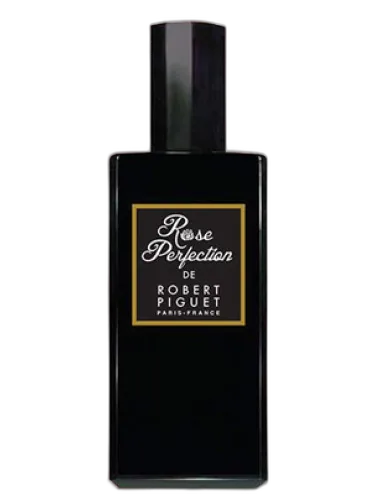
Robert Piguet
Rose Perfection Robert Piguet
Shared top notes: rose
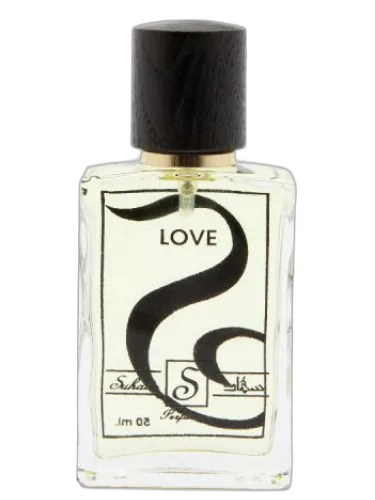
Suhad Perfumes
Love Suhad Perfumes
Shared top notes: rose
Dior
Dior Passage No.9 Dior
Shared top notes: rose

Filigree & Shadow
You Are My Sister And I Love You Filigree & Shadow
Shared top notes: rose
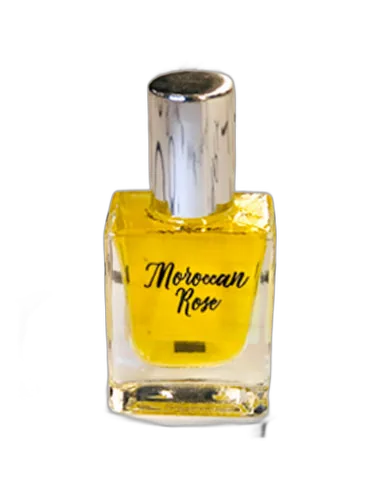
Serenity + Scott
Moroccan Rose Serenity + Scott
Shared top notes: rose