
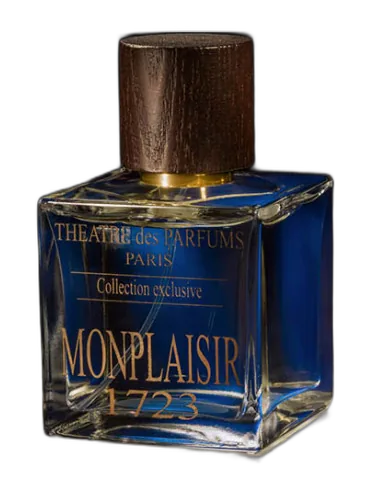

Monplaisir 1723 Theatre Des Parfums
At a glance
Is Monplaisir 1723 Theatre Des Parfums worth trying?
Monplaisir 1723 by Theatre des Parfums is a Chypre fragrance for women and men.
- Best match
- Casual wear in Spring
- Performance feel
- Moderate longevity with Moderate sillage
- Signature profile
- citrus, fresh spicy, aromatic with Lime, Bergamot, Aldehydes
The first impression
Monplaisir 1723 by Theatre des Parfums is a Chypre fragrance for women and men. The nose behind this fragrance is Bertrand Duchaufour. Top notes are Lime, Bergamot, Aldehydes, Sweet Orange and Basil; middle notes are Mint, Lavender, Petitgrain, Beeswax, Patchouli and Immortelle; base notes are Amber, White Musk, Raspberry and Oakmoss.
What shapes the scent
The perfumer behind it

Bertrand Duchaufour
Bertrand Duchaufour is a renowned French perfumer with a prolific career spanning many brands. He has created fragrances for Acqua di Parma, including Blu Mediterraneo - Cipresso Di Toscana and Colonia Assoluta, as well as for Aedes de Venustas, such as Café Tabac and Copal Azur. His style is known for its complexity and use of natural ingredients.
Notes pyramid
Top Notes
First impression · 15-30 min
 Lime
Lime
 Bergamot
 Aldehydes
 Sweet Orange
 Basil
Basil
Heart Notes
Core character · 2-4 hours
 Mint
Mint
 Lavender
 Petitgrain
 Beeswax
 Patchouli
 Immortelle
Base Notes
Lasting impression · 4+ hours
 Amber
White Musk
Amber
White Musk
 Raspberry
 Oakmoss
The mood it creates
The Lover Archetype: Portrait of Monplaisir 1723 Theatre Des Parfums
Essence
This person is most closely defined by the Aesthetic archetype-a seeker of beauty, sensory pleasure, and refined experience. The Aesthetic does not merely consume beauty but curates it, transforming life into an art form. Monplaisir 1723, with its baroque richness-amber, vanilla, and powdery florals-appeals to their need for elegance, nostalgia, and theatrical grandeur. They are drawn to the perfume’s suggestion of an old-world stage, where life is a performance and every gesture carries meaning.
Relationships
They do not love carelessly. Relationships, to them, are a form of artistry-each connection a carefully composed scene. They are drawn to those who appreciate nuance, who understand that silence can be as expressive as speech. Their romantic partners are often artists, writers, or fellow connoisseurs of the senses, people who see love as a shared aesthetic project rather than mere companionship.
Yet, they are not without detachment. The Aesthetic’s great strength-their ability to appreciate beauty-can also be their flaw: they sometimes observe life rather than live it. They may hesitate to commit fully, fearing that passion, once grasped, will lose its luster. Their shadow is the Spectator, the one who admires from the wings but fears stepping onto the stage.
Shadow
When unbalanced, the Aesthetic becomes the Decadent-someone so consumed by the pursuit of beauty that they neglect substance. They may lose themselves in nostalgia, preferring the past’s imagined perfection to the present’s messy reality. Their love of luxury can tip into indulgence, their appreciation of artifice into self-delusion.
At worst, they grow weary, jaded by their own standards. No fragrance is quite rich enough, no lover quite poetic enough. They risk becoming a tragic figure-like Dorian Gray, forever chasing an ideal that recedes just beyond reach.
Conclusion
Their tastes are deliberate, almost ritualistic. They prefer the patina of aged leather-bound books over glossy new editions, the slow burn of a well-aged whiskey over quick intoxication. Their wardrobe is a carefully composed symphony of textures-cashmere, silk, velvet-each piece chosen not for trend but for its timeless resonance. They might collect antique perfume bottles, not as mere objects, but as vessels of forgotten stories.
Their philosophy is one of hedonistic depth-they believe pleasure is not shallow if it is examined, that beauty is not frivolous if it is felt fully. They reject the modern cult of minimalism, seeing it as a denial of life’s richness. Instead, they embrace decadence with a philosopher’s mind, asking: Why live in a world stripped of ornament when ornament can be meaning itself?
If you like this, try these
Fragrances with a comparable profile - shared accords, notes, and character.

Companhia da Terra
Camaris Companhia Da Terra
Shared top notes: basil, bergamot
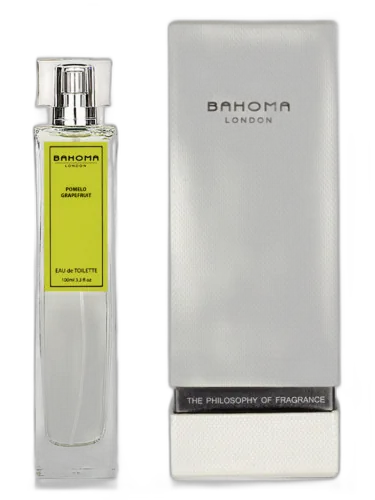
Bahoma London
Pomelo Grapefruit Bahoma London
Shared top notes: basil, bergamot, lime
Mancera
Vetiver Sensuel Mancera
Shared top notes: bergamot, lime

O Boticário
Malbec Bleu O Boticário
Shared top notes: bergamot
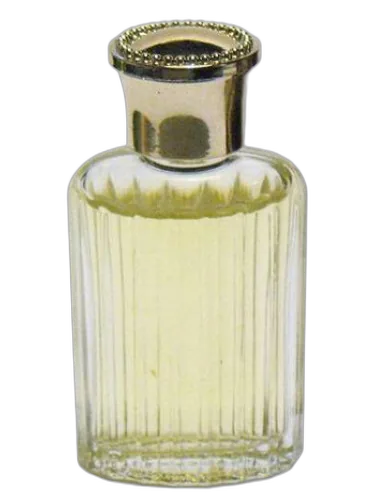
Nina Ricci
Signoricci 2 Nina Ricci
Shared top notes: basil, lime