


Tonic Blanc Thomas Kosmala
At a glance
Is Tonic Blanc Thomas Kosmala worth trying?
Tonic Blanc by Thomas Kosmala is a Citrus Aromatic fragrance for women and men.
- Best match
- Casual wear in Summer
- Performance feel
- Good longevity with Moderate sillage
- Signature profile
- citrus, white floral, woody with Neroli, Bergamot, Orange
The first impression
Tonic Blanc by Thomas Kosmala is a Citrus Aromatic fragrance for women and men. Tonic Blanc was launched in 2018. The nose behind this fragrance is Thomas Kosmala. Top notes are Neroli, Bergamot, Orange and Mandarin Orange; middle notes are Bergamot Blossom, Orange Blossom and Mock Orange; base notes are Musk, Oakmoss, Sandalwood and Cedar.
What shapes the scent
The perfumer behind it

Thomas Kosmala
Thomas Kosmala is a perfumer and founder of his namesake brand, creating fragrances such as A Never Ending Love, Après L’amour, Arabian Passion, Bliss In Paradise, Brume Radieuse, Bukhoor, Candy Eau De Parfum, and Crépuscule Ardent. His style is diverse, ranging from sweet and gourmand to rich and oriental. Kosmala's fragrances are known for their bold and distinctive character.
Notes pyramid
Top Notes
First impression · 15-30 min
 Neroli
 Bergamot
 Orange
 Mandarin Orange
Heart Notes
Core character · 2-4 hours
 Bergamot Blossom
 Orange Blossom
 Mock Orange
Base Notes
Lasting impression · 4+ hours
 Musk
Musk
 Oakmoss
 Sandalwood
 Cedar
Cedar
The mood it creates
The Alchemist Archetype: Portrait of Tonic Blanc Thomas Kosmala
Essence
To wear Tonic Blanc by Thomas Kosmala is to embrace a paradox-a fragrance that is at once luminous and structured, crisp yet enveloping. It is the scent of someone who seeks purity but understands the necessity of complexity. This person is not merely drawn to freshness; they are drawn to the idea of freshness as an ideal, a distillation of clarity in a world of noise. Their archetype is The Sage, the seeker of truth through reason, refinement, and intellectual precision. But like all archetypes, The Sage has a shadow-one that risks detachment, over-analysis, and a coldness that can alienate as much as it enlightens.
Philosophy & Values
This person moves through life with an air of quiet discernment. Their tastes are deliberate-minimalist but never sterile, elegant but never ostentatious. They favor clean lines in their wardrobe, perhaps a well-tailored white shirt, a precisely draped blazer, or a sleek, unadorned watch. Their home is a sanctuary of order: books arranged by theme rather than color, a single statement piece of art rather than a cluttered gallery. They are drawn to modernist architecture, the sharp angles of a Bauhaus chair, the restrained beauty of Japanese wabi-sabi.
Philosophically, they value rationality above all else. Emotion is not dismissed, but it is examined-filtered through the lens of logic before being given weight. They are the friend who offers measured advice, the colleague who cuts through ambiguity with a well-placed question. Their mind is their greatest asset, and they cultivate it with the same precision as their surroundings: reading philosophy, engaging in debate, refining their opinions through scrutiny.
In relationships, they are selective. They do not suffer fools gladly, but those who earn their respect find a loyal, if somewhat reserved, companion. Their love language is intellectual-stimulating conversation, shared discoveries, the quiet pleasure of mutual understanding. They are not prone to grand romantic gestures, but they express care through consistency, through the reliability of their presence.
Shadow
Yet, for all their brilliance, there is a danger in their detachment. The same mind that dissects problems with surgical precision can become a prison, locking them in endless analysis at the expense of action. They may dismiss emotions too quickly, mistaking their own discomfort with vulnerability for superiority. At their worst, they can be condescending, mistaking their clarity for objectivity and others’ passions for irrationality.
Their relationships may suffer from this emotional austerity. Partners or friends might feel held at arm’s length, admired but not fully embraced. They may struggle with spontaneity, with the messy, unplanned beauty of life that cannot be neatly categorized. There is a loneliness in their self-sufficiency-a fear that if they relinquish control, they will lose themselves.
Conclusion
What saves them from becoming merely a cold observer is their curiosity. The Sage is, at heart, a student-not just of facts, but of life. Tonic Blanc is their olfactory manifesto: a fragrance that is bright but never shallow, structured but never rigid. It is the scent of morning light through a high window, of ice melting into something fluid and alive.
They are not without warmth, but it is a warmth that must be earned. When they trust, when they allow themselves to be imperfect, they become not just thinkers but alchemists-transforming the raw material of existence into something distilled, meaningful, and, against all odds, deeply human.
Their flaw is their strength taken too far. Their redemption lies in remembering that wisdom is not just in knowing, but in feeling-and that the purest clarity sometimes comes from embracing the fog.
If you like this, try these
Fragrances with a comparable profile - shared accords, notes, and character.
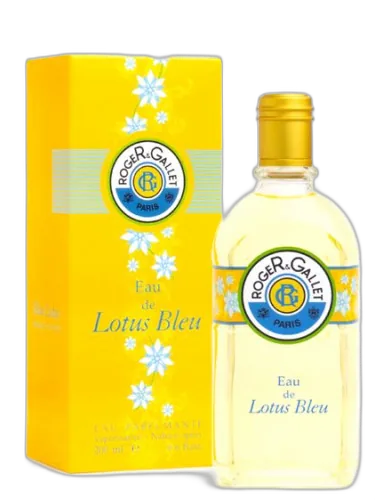
Roger & Gallet
Eau De Lotus Bleu Roger & Gallet
Shared top notes: bergamot, mandarin orange, neroli

Edeniste
Jasmin Cruel Edeniste
Shared top notes: bergamot, neroli

Ex Nihilo
Honoré Delights Ex Nihilo
Shared top notes: bergamot, neroli

Porsche Design
Porsche Design Woman Ruby Porsche Design
Shared top notes: bergamot, mandarin orange, orange
Roger & Gallet
Ylang Roger & Gallet
Shared top notes: bergamot, mandarin orange, orange