
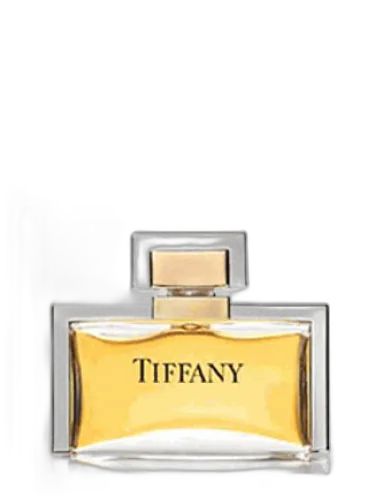

Tiffany Parfum Tiffany
At a glance
Is Tiffany Parfum Tiffany worth trying?
Tiffany Parfum by Tiffany is a Floral fragrance for women.
- Best match
- Evening wear in Spring
- Performance feel
- Good longevity with Moderate sillage
- Signature profile
- white floral, rose, yellow floral with African Orange Flower, Ylang-Ylang, Taif Rose
The first impression
Tiffany Parfum by Tiffany is a Floral fragrance for women. Tiffany Parfum was launched in 1987. The nose behind this fragrance is François Demachy.
What shapes the scent
The perfumer behind it

François Demachy
François Demachy is a renowned French perfumer best known for his long tenure as the in-house perfumer for Dior, but he has also created extensively for Acqua di Parma. His work for Acqua di Parma includes the Blu Mediterraneo line, such as Arancia La Spugnatura and Mirto Di Panarea, as well as luxury leather and oud compositions. Demachy's style is characterized by classic elegance, natural ingredients, and a mastery of Mediterranean and woody accords.
Notes pyramid
All Notes
Complete scent profile
 African Orange Flower
 Ylang-Ylang
 Taif Rose
 Jasmine
 Iris
Iris
The mood it creates
The Innocent Archetype: Portrait of Tiffany Parfum Tiffany
Essence
Tiffany Parfum Tiffany is a fragrance of luminous elegance-clean, refined, and effortlessly sophisticated. It opens with bright citrus and mandarin, softens into iris and rose, and settles into a warm, powdery musk. It is not loud, nor does it demand attention, yet it lingers with quiet confidence. The person who chooses this scent is drawn to its timeless grace, its understated luxury, and its association with purity and polished femininity.
At their core, this individual embodies the Innocent archetype-a soul who seeks harmony, beauty, and simplicity. They believe in goodness, in the possibility of a world unmarred by cynicism. Their optimism is not naive but deliberate, a conscious choice to see the best in people and situations. They value tradition, refinement, and the quiet pleasures of life, finding comfort in what is familiar and enduring.
Yet, like all archetypes, the Innocent has its shadow. Their aversion to conflict can make them passive, their idealism can blind them to harsh realities, and their desire for perfection may lead to subtle self-repression. They may struggle with disillusionment when the world fails to meet their polished expectations.
Style & Aesthetic
Their style is classic, never trend-driven, favoring clean lines, neutral palettes, and fabrics that whisper rather than shout. They appreciate craftsmanship-a well-tailored coat, a finely bound book, a piece of heirloom jewelry. Their home is an extension of this sensibility: uncluttered, softly lit, filled with objects that carry meaning rather than mere decoration.
They prefer art that evokes serenity-Impressionist landscapes, delicate porcelain, the quiet poetry of Jane Austen. Music tends toward the melodic and harmonious-Chopin, Debussy, or the understated elegance of Norah Jones. Their taste in literature leans toward the romantic yet restrained, favoring authors like Kazuo Ishiguro or Virginia Woolf, who explore beauty with a touch of melancholy.
Their daily life is structured, almost ritualistic. Mornings are sacred-a time for reflection, a carefully prepared breakfast, a moment of quiet before the day begins. They thrive in environments that reflect their values: perhaps a career in art curation, design, or education, where their appreciation for beauty and order can flourish.
They are not drawn to excess; moderation is their natural state. They enjoy fine things but disdain extravagance for its own sake. A single perfect orchid on their desk brings them more joy than an ostentatious bouquet.
Philosophy & Values
They believe in the power of grace-not as superficial charm, but as an ethical stance. Kindness, politeness, and dignity are their guiding principles. They dislike vulgarity, chaos, and unnecessary confrontation, often withdrawing from environments that feel abrasive. Their moral compass is intuitive rather than dogmatic; they trust in the innate goodness of people, though this trust can sometimes leave them vulnerable.
They value stability, tradition, and the rituals of daily life-morning tea in a fine china cup, handwritten letters, the scent of fresh linen. There is a quiet discipline to their existence, a belief that beauty is found in the details.
Relationships
In relationships, they are loyal, considerate, and deeply attuned to the emotions of others. They avoid drama, preferring connections that are steady and harmonious. Romantic partners are drawn to their gentle warmth, though some may find their restraint frustrating, wishing for more spontaneity or passion.
Friendships are carefully curated-they prefer a few deep bonds over many superficial ones. They are the confidante who listens without judgment, the hostess who ensures every guest feels welcome. Yet, their aversion to conflict means they may avoid difficult conversations, sometimes allowing resentment to simmer beneath a composed exterior.
Shadow
Beneath their poised exterior lies a fear of imperfection-both in themselves and the world. When reality clashes with their ideals, they may retreat into denial or passive avoidance. Their optimism, while a strength, can become a shield against uncomfortable truths.
They may struggle with self-expression, fearing that raw emotion will disrupt their carefully maintained harmony. In moments of stress, they might become overly fastidious, controlling small details to compensate for larger uncertainties.
Their greatest strength-their unwavering belief in beauty and goodness-is also their greatest vulnerability. Yet, when they learn to embrace life’s complexities without losing their innate grace, they become not just a figure of elegance, but of quiet wisdom.
They are not naive; they have simply chosen to see the world through a lens of hope. And in a cynical age, that is its own kind of rebellion.
If you like this, try these
Fragrances with a comparable profile - shared accords, notes, and character.
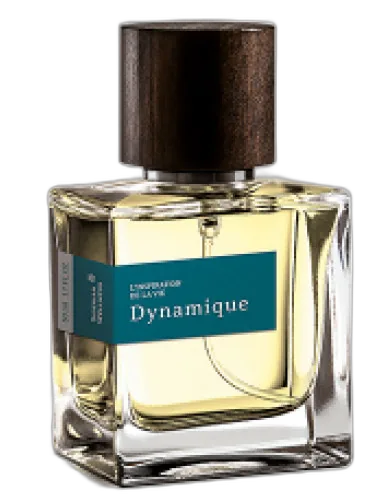
Siberian Wellness
Dynamique Siberian Wellness
Shared top notes: iris, jasmine, ylang-ylang

MABRA PARFUMS
Rose Merveille Mabra Parfums
Shared top notes: iris, ylang-ylang
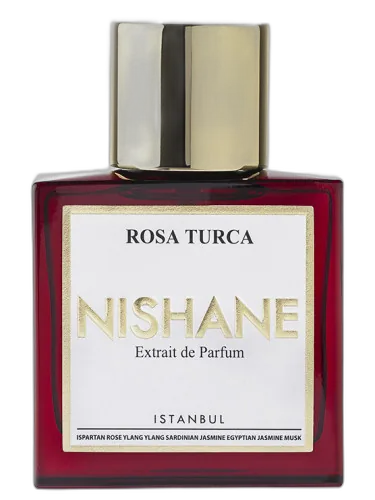
Nishane
Rosa Turca Nishane
Shared top notes: ylang-ylang
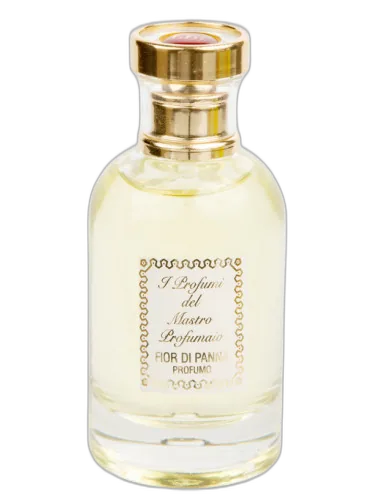
I Profumi del Mastro Profumaio
Fior Di Panna I Profumi Del Mastro Profumaio
Shared top notes: iris, ylang-ylang
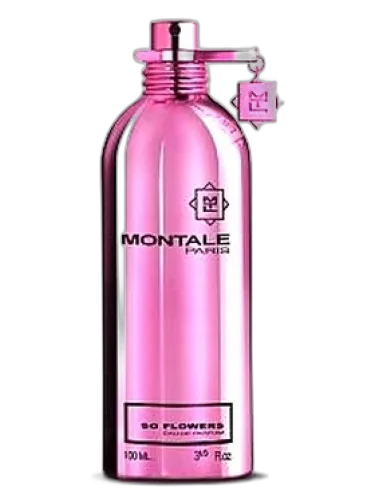
Montale
So Flowers Montale
Shared top notes: iris, jasmine, ylang-ylang