


Bianco Puro Tiziana Terenzi
At a glance
Is Bianco Puro Tiziana Terenzi worth trying?
Bianco Puro by Tiziana Terenzi is a Floral Fruity fragrance for women and men.
- Best match
- Evening wear in Any
- Performance feel
- Excellent longevity with Strong sillage
- Signature profile
- warm spicy, woody, sweet with Green Mandarin, Bergamot, Lemon
The first impression
Bianco Puro by Tiziana Terenzi is a Floral Fruity fragrance for women and men. Bianco Puro was launched in 2019. The nose behind this fragrance is Paolo Terenzi. Top notes are Green Mandarin, Bergamot and Lemon; middle notes are Saffron, Cloves, Lavender, Caramel and Mango; base notes are Cambodian Oud, Vanilla, Myrhh, Sandalwood, Patchouli, Musk and Vetiver.
What shapes the scent
The perfumer behind it

Paolo Terenzi
Paolo Terenzi is a perfumer known for his work with Antonio Croce, creating a range of fragrances including Ardente, Incantevole, Meraviglia, Perfetta, Sofisticata, Straordinaria, and Unica. He also composed 1+7 Extrait De Parfum for D'OTTO. Terenzi's style is characterized by bold, opulent compositions that often feature rich florals and warm resins.
Notes pyramid
Top Notes
First impression · 15-30 min
 Green Mandarin
 Bergamot
 Lemon
Lemon
Heart Notes
Core character · 2-4 hours
 Saffron
 Cloves
 Lavender
 Caramel
 Mango
Mango
Base Notes
Lasting impression · 4+ hours
 Cambodian Oud
 Vanilla
Myrhh
Vanilla
Myrhh
 Sandalwood
 Patchouli
 Musk
Musk
 Vetiver
The mood it creates
The Sage Archetype: Portrait of Bianco Puro Tiziana Terenzi
Essence
The person who cherishes Bianco Puro by Tiziana Terenzi is most closely aligned with the Sage archetype. This fragrance-crystalline, luminous, and pure-reflects a mind that seeks clarity, wisdom, and transcendence. The Sage is drawn to truth, not as dogma, but as an ever-unfolding revelation. They are the philosopher, the seeker, the one who distills complexity into essence.
Yet, like all archetypes, the Sage has a shadow-the risk of detachment, of mistaking intellectual rigor for lived experience, of becoming so enamored with purity that they disdain the messy vitality of human imperfection.
Style & Aesthetic
They thrive in environments that allow for solitude and reflection-perhaps a quiet study, a sunlit library, or a remote retreat. Their routines are disciplined, not out of rigidity, but out of reverence for the sacredness of time. They may practice meditation, journaling, or other contemplative rituals to maintain inner clarity.
Yet this discipline can tip into asceticism. They might deny themselves simple pleasures, mistaking austerity for virtue. In their quest for purity, they risk forgetting that wisdom is not only found in silence, but also in laughter, in chaos, in the unrefined joy of being alive.
Philosophy & Values
For them, life is an inquiry. They value knowledge, but not as a means to power-rather, as a path to liberation. They distrust blind faith and sentimentality, preferring reason tempered by intuition. Their moral compass is guided by intellectual honesty and a deep respect for autonomy-both their own and others’.
Yet this very pursuit of truth can become isolating. They may struggle with impatience toward those who do not share their rigor, dismissing emotional or intuitive responses as irrational. Their insistence on purity-whether in thought, ethics, or aesthetics-can make them rigid, unable to embrace the contradictions that define human existence.
Relationships
In love and friendship, they seek kindred minds-those who engage in meaningful discourse rather than idle chatter. They are not cold, but they are selective. Their love is quiet, expressed through shared silence as much as through words. They value loyalty, but only if it is earned through mutual understanding.
Their shadow here is a tendency toward emotional austerity. They may intellectualize feelings, analyzing love rather than surrendering to it. Partners might find them distant, not because they lack passion, but because they fear the loss of control that passion demands.
Shadow
The Sage’s greatest danger is disembodiment-living so much in the realm of thought that they lose touch with the visceral, the irrational, the imperfectly human. They may grow weary of those who cannot meet them on their intellectual plane, withdrawing into a self-made ivory tower.
But when balanced, the Sage does not merely observe life-they engage with it. Bianco Puro becomes not just a fragrance of purity, but of presence-a reminder that wisdom is not only in knowing, but in being.
Conclusion
The lover of Bianco Puro is a paradox-a soul who seeks the absolute yet must dwell in the relative, who values clarity yet must navigate ambiguity. Their strength is their mind; their weakness, the tyranny of it. But when they learn to embrace the full spectrum of existence-light and shadow, reason and instinct-they become not just a thinker, but a wise human.
If you like this, try these
Fragrances with a comparable profile - shared accords, notes, and character.
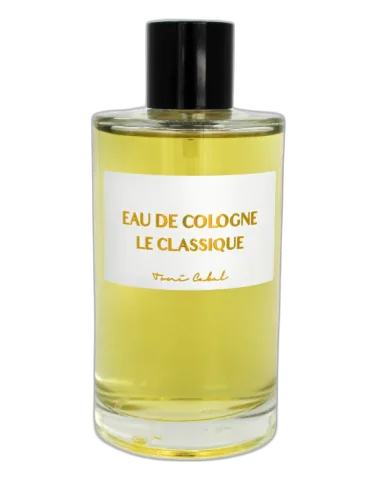
Toni Cabal
Eau De Cologne Toni Cabal
Shared top notes: bergamot, green mandarin, lemon
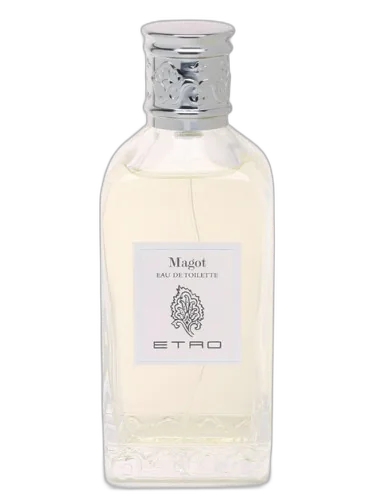
Etro
Magot Etro
Shared top notes: bergamot, lemon

Judith Williams
Man 2 Judith Williams
Shared top notes: bergamot, lemon
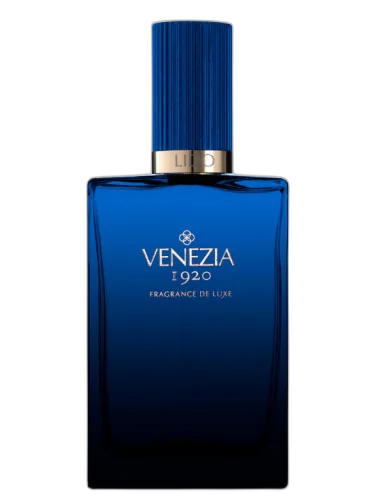
Venezia 1920
Lido Venezia 1920
Shared top notes: bergamot, lemon

Chanel
Le Lion Eau De Parfum Chanel
Shared top notes: bergamot, lemon