
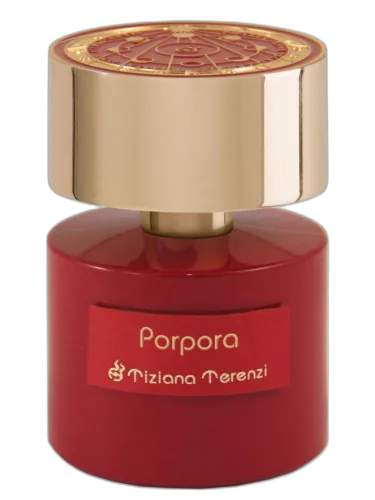

Porpora Tiziana Terenzi
At a glance
Is Porpora Tiziana Terenzi worth trying?
Porpora by Tiziana Terenzi is a Oriental Floral fragrance for women and men.
- Best match
- Evening wear in Fall
- Performance feel
- Excellent longevity with Strong sillage
- Signature profile
- amber, warm spicy, rose with Rose, Raspberry, Cloves
The first impression
Porpora by Tiziana Terenzi is a Oriental Floral fragrance for women and men. Porpora was launched in 2017. The nose behind this fragrance is Paolo Terenzi. Top notes are Rose, Raspberry, Cloves and Cinnamon; middle notes are Bulgarian Rose, Incense, Patchouli and Poppy; base notes are Myrrh, Amber, Musk, Benzoin and Chestnut.
What shapes the scent
The perfumer behind it

Paolo Terenzi
Paolo Terenzi is a perfumer known for his work with Antonio Croce, creating a range of fragrances including Ardente, Incantevole, Meraviglia, Perfetta, Sofisticata, Straordinaria, and Unica. He also composed 1+7 Extrait De Parfum for D'OTTO. Terenzi's style is characterized by bold, opulent compositions that often feature rich florals and warm resins.
Notes pyramid
Top Notes
First impression · 15-30 min
 Rose
Rose
 Raspberry
 Cloves
 Cinnamon
Heart Notes
Core character · 2-4 hours
 Bulgarian Rose
 Incense
 Patchouli
 Poppy
Poppy
Base Notes
Lasting impression · 4+ hours
 Myrrh
Myrrh
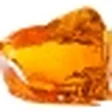 Amber
Amber
 Musk
Musk
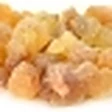 Benzoin
 Chestnut
The mood it creates
The Lover Archetype: Portrait of Porpora Tiziana Terenzi
Essence
The person who cherishes Porpora by Tiziana Terenzi is unmistakably aligned with the Lover archetype-a figure of passion, sensuality, and deep emotional engagement with the world. This fragrance, with its intoxicating blend of black cherry, saffron, and oud, is not merely a scent but an extension of their being: rich, layered, and unapologetically indulgent. The Lover does not merely exist-they experience, with a fervor that borders on the devotional.
Yet, like all archetypes, the Lover has its shadow. Where there is ecstasy, there can be excess; where there is devotion, there can be obsession. This person walks the line between enchantment and entrapment, their greatest strength also their most perilous weakness.
Relationships
In love, they are magnetic, often inspiring fierce loyalty-or equally fierce jealousy. They do not love lightly; when they commit, it is with an intensity that can be overwhelming. Their relationships are marked by a deep emotional and physical connection, but they may struggle with possessiveness or the fear of abandonment. The shadow of the Lover is the fear of being unloved, of losing the very ecstasy they crave.
Friendships, too, are intimate. They prefer a few profound bonds over many superficial ones. Their presence is intoxicating-when they listen, they do so with their whole being, making others feel truly seen. But they can also be demanding, expecting the same depth in return, and may withdraw if they sense indifference.
Shadow
The Lover’s greatest flaw is their capacity for fixation. What begins as devotion can curdle into obsession; what starts as passion can become a prison. They may struggle with jealousy, or with the inability to let go when a relationship has run its course. At their worst, they confuse love with ownership, mistaking intensity for authenticity.
There is also the danger of excess-indulgence tipping into self-destruction. The same sensuality that makes life vivid can lead them toward recklessness, whether in romance, pleasure, or even self-image. They must learn that true love does not consume-it liberates.
Conclusion
Their tastes are decadent but deliberate. They are drawn to the opulent-velvet drapes, deep red wines, the slow burn of a candle at midnight. Their wardrobe is a study in tactile luxury: silk that whispers against skin, leather that ages with character, jewelry that carries the weight of history. They do not follow trends but cultivate an aesthetic that feels like an intimate secret, something known only to those who truly see them.
Philosophically, they reject the notion that pleasure is frivolous. To them, beauty is a necessity, not a luxury-a way of honoring the senses as the gateways to the soul. They might quote Keats: "Beauty is truth, truth beauty." Yet beneath this romanticism lies a sharp intellect. They are not naive hedonists but deliberate sensualists, aware that pleasure, like pain, is a teacher.
If you like this, try these
Fragrances with a comparable profile - shared accords, notes, and character.
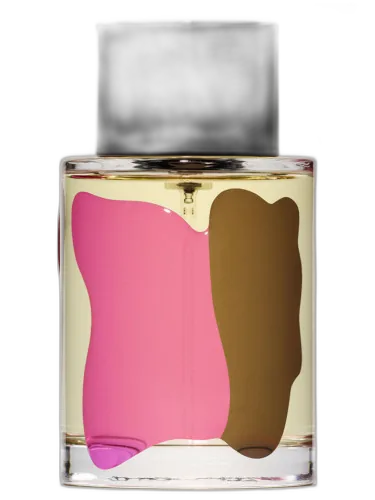
Frederic Malle
Portrait Of A Lady Limited Edition 2018 Frederic Malle
Shared top notes: cinnamon, cloves, raspberry
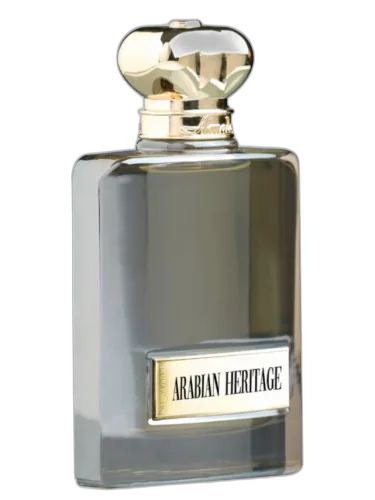
Amado
Arabian Heritage Amado
Shared top notes: cinnamon, raspberry, rose
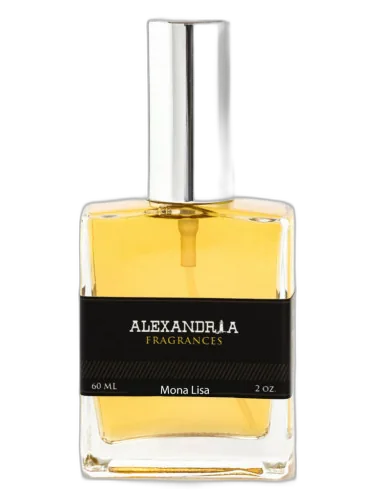
Alexandria Fragrances
Monaliza Alexandria Fragrances
Shared top notes: cinnamon, cloves, raspberry
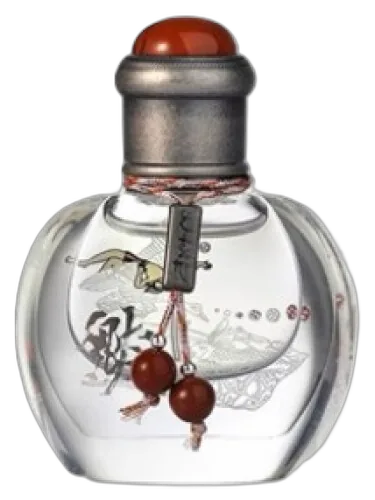
Sept Neuf 七寸九
Bá Hóng 魃·红 Sept Neuf 七寸九
Shared top notes: cinnamon, rose
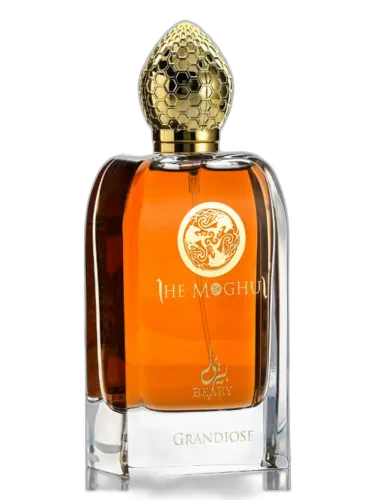
Beary
Grandiose Beary
Shared top notes: cloves, raspberry, rose