


Tughra Tiziana Terenzi
At a glance
Is Tughra Tiziana Terenzi worth trying?
Tughra by Tiziana Terenzi is a fragrance for women and men.
- Best match
- Evening wear in Winter
- Performance feel
- Excellent longevity with Strong sillage
- Signature profile
- earthy, lavender, patchouli with Myrrh, Frankincense, Olibanum
The first impression
Tughra by Tiziana Terenzi is a fragrance for women and men. This is a new fragrance. Tughra was launched in 2023. The nose behind this fragrance is Paolo Terenzi. Top notes are Myrrh, Frankincense, Olibanum, Marigold and Nutmeg; middle notes are Laotian Oud, Cambodian Oud, Indian Oud, Lavender and Saffron; base notes are Musk, Ambergris, Tahitian Vetiver, Indian Patchouli and Guaiac Wood.
What shapes the scent
The perfumer behind it

Paolo Terenzi
Paolo Terenzi is a perfumer known for his work with Antonio Croce, creating a range of fragrances including Ardente, Incantevole, Meraviglia, Perfetta, Sofisticata, Straordinaria, and Unica. He also composed 1+7 Extrait De Parfum for D'OTTO. Terenzi's style is characterized by bold, opulent compositions that often feature rich florals and warm resins.
Notes pyramid
Top Notes
First impression · 15-30 min
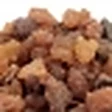 Myrrh
Frankincense
Olibanum
Myrrh
Frankincense
Olibanum
 Marigold
 Nutmeg
Heart Notes
Core character · 2-4 hours
 Laotian Oud
 Cambodian Oud
 Indian Oud
 Lavender
 Saffron
Base Notes
Lasting impression · 4+ hours
 Musk
Musk
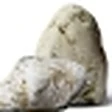 Ambergris
Tahitian Vetiver
Indian Patchouli
Ambergris
Tahitian Vetiver
Indian Patchouli
 Guaiac Wood
The mood it creates
The Alchemist Archetype: Portrait of Tughra Tiziana Terenzi
Essence
The one who wears Tughra by Tiziana Terenzi is a modern sovereign, a person who commands presence not through brute force but through an unshakable aura of authority and refinement. The Sovereign Archetype defines them-they are the architect of their own destiny, the one who shapes reality rather than submits to it. Tughra is a fragrance of power: rich oud, smoky incense, and velvety rose, a scent that evokes ancient courts and whispered conspiracies. It is not worn lightly; it is chosen by those who understand that influence is an art, not a blunt instrument.
Shadow
Yet power, even when wielded wisely, carries its burdens. Their flaw is their occasional blindness to the cost of their own dominance. They can mistake control for wisdom, forgetting that not all things should be governed. There is a coldness in them, a detachment that can slip into indifference toward those they deem unworthy.
Their greatest danger is hubris-the belief that they alone know the correct order of things. When unchecked, they may become rigid, intolerant of dissent, mistaking opposition for betrayal. They may isolate themselves in their self-made fortress, forgetting that even kings need counsel.
Conclusion
Their tastes are deliberate, curated with the precision of a strategist. They favor the understated luxury of tailored fabrics, the weight of a well-made watch, the quiet confidence of a perfectly balanced wine. Their home is a sanctuary of order-dark woods, deep hues, and deliberate emptiness where lesser minds would clutter. They do not chase trends; they set them.
Philosophy is not an abstract exercise for them but a lived discipline. They believe in hierarchy-not the crude kind imposed by birth, but the natural order of competence. They respect those who earn their place, disdain those who demand it. Their values are rooted in excellence, self-mastery, and the unspoken contract of mutual respect. They do not suffer fools, but they reward loyalty with fierce protection.
Relationships are alliances, carefully chosen. They do not seek many companions, but the few they keep are bound by unspoken understanding. Romantic partners must be equals-someone who neither clings nor challenges for the sake of ego, but who stands beside them as a fellow sovereign. Their love is not possessive but deeply intentional, a shared sovereignty over a private kingdom.
If you like this, try these
Fragrances with a comparable profile - shared accords, notes, and character.
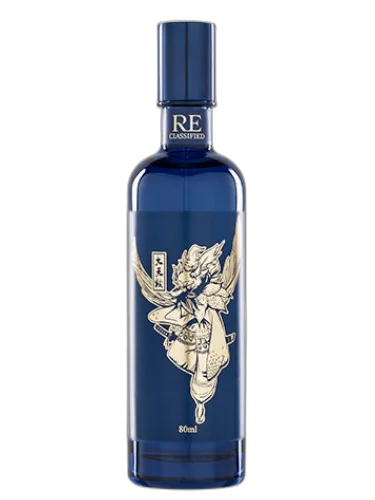
RE CLASSIFIED RE调香室
Daitengu 大天狗 Re Classified Re调香室
Shared top notes: nutmeg
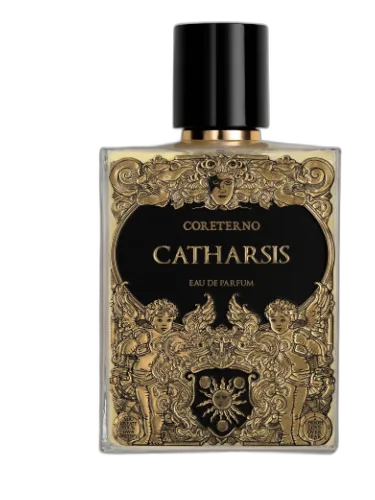
Coreterno
Catharsis Coreterno
Shared top notes: nutmeg
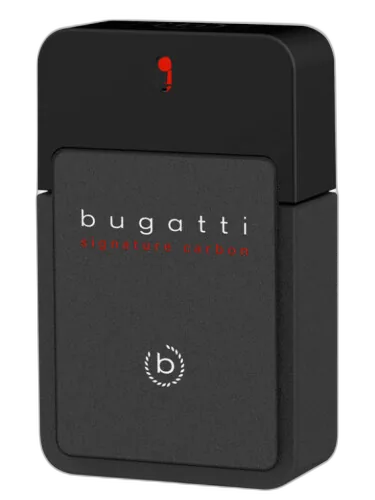
Bugatti Fashion
Signature Carbon Bugatti Fashion
Shared heart notes: lavender
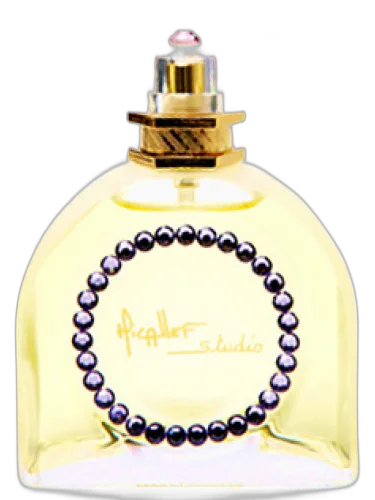
M. Micallef
Royal Amber M. Micallef
Shared top notes: nutmeg

Parfums Marco Serussi
Harmony Extreme Parfums Marco Serussi
Shared top notes: nutmeg