
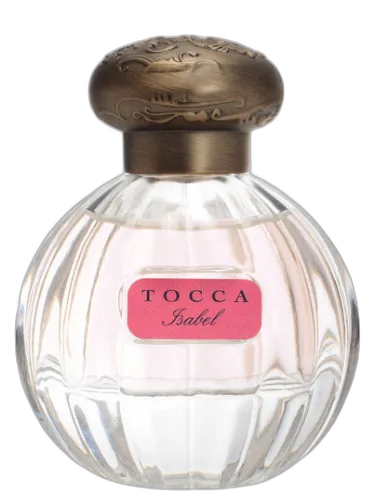

Isabel Tocca
At a glance
Is Isabel Tocca worth trying?
Isabel by Tocca is a Oriental Floral fragrance for women.
- Best match
- Evening wear in Fall
- Performance feel
- Good longevity with Moderate sillage
- Signature profile
- rose, citrus, fruity with Sangria, Orange, Pear
The first impression
Isabel by Tocca is a Oriental Floral fragrance for women. Isabel was launched in 2015. Top notes are Sangria, Orange, Pear and Bergamot; middle notes are Rose, Turkish Rose, Leather and Vetiver; base notes are Amber, Vanilla and Guaiac Wood.
What shapes the scent
The perfumer behind it

Unknown Perfumer
Notes pyramid
Top Notes
First impression · 15-30 min
 Sangria
 Orange
 Pear
Pear
 Bergamot
Heart Notes
Core character · 2-4 hours
 Rose
Rose
 Turkish Rose
 Leather
 Vetiver
Base Notes
Lasting impression · 4+ hours
 Amber
Amber
 Vanilla
 Guaiac Wood
The mood it creates
The Lover Archetype: Portrait of Isabel Tocca
Essence
To wear Isabel Tocca is to embrace an aura of delicate seduction-a fragrance that whispers rather than shouts, blending white florals with the warmth of vanilla and musk. The person who chooses this scent is not one for brash declarations; they move through the world with an understated grace, drawing others in through subtle allure rather than force. Their soul is steeped in the Lover archetype, one who seeks beauty, intimacy, and deep emotional resonance in all things.
Shadow
Yet, like all archetypes, the Lover has its darker currents. Their pursuit of beauty can tip into indulgence-a tendency to lose themselves in sensory pleasures, whether fine wine, romantic fantasies, or the intoxication of a new infatuation. They may struggle with boundaries, giving too much of themselves in relationships or becoming overly attached to fleeting moments of ecstasy.
There is also a melancholic streak, a nostalgia so deep it sometimes paralyzes them. They mourn lost loves, faded summers, the passage of time, and this sorrow can make them retreat into memory rather than engage with the present. At their worst, they may become passive, waiting for life to deliver beauty to them rather than forging it themselves.
Conclusion
Their tastes are refined but never ostentatious. They prefer the soft glow of candlelight to harsh fluorescents, the texture of aged linen to synthetic fabrics, the quiet pleasure of a handwritten letter to the cold efficiency of a text. Their home is a sanctuary-filled with dried flowers, well-worn books, and carefully chosen art that speaks to them on a visceral level. They do not chase trends but cultivate an aesthetic that feels timeless, as though their surroundings were an extension of their inner world.
Philosophy, for them, is not an abstract exercise but a lived experience. They believe in the power of feeling-that truth is found not only in reason but in the way a piece of music makes the heart ache, or how the scent of rain on warm pavement can evoke nostalgia so sharp it borders on pain. They are drawn to thinkers who embrace the poetic and the sensual-Rilke, Neruda, perhaps even Nietzsche in his more lyrical moments.
If you like this, try these
Fragrances with a comparable profile - shared accords, notes, and character.
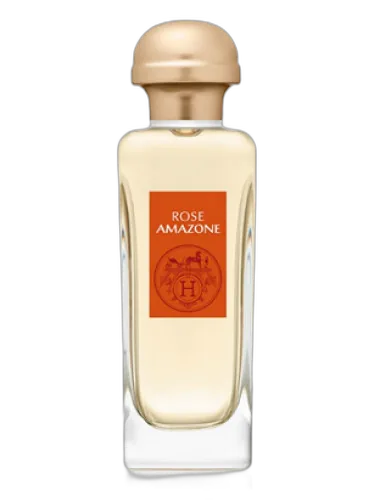
Hermès
Rose Amazone Hermès
Shared top notes: bergamot
Lord Milano
Velvet Rose Lord Milano
Shared top notes: bergamot, orange

Montale
Beast Love Montale
Shared top notes: pear
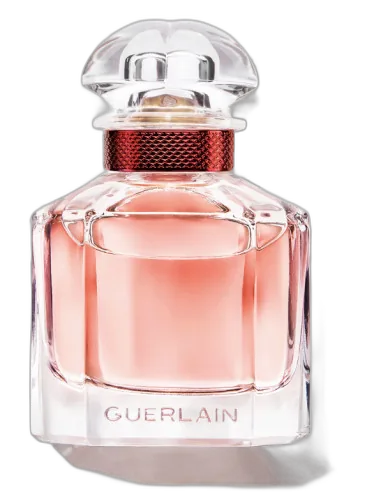
Guerlain
Mon Guerlain Bloom Of Rose Eau De Parfum Guerlain
Shared top notes: bergamot, pear
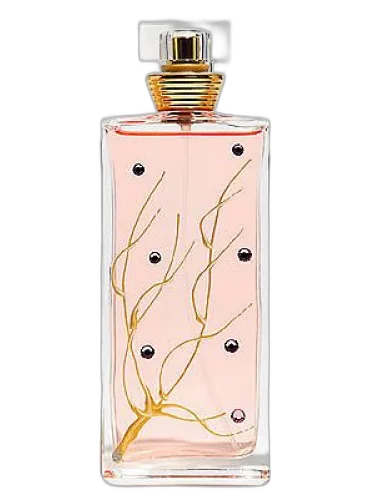
M. Micallef
Les 4 Saisons: Printemps M. Micallef
Shared top notes: bergamot, pear