


A Better Man Toni Gard
At a glance
Is A Better Man Toni Gard worth trying?
A Better Man by Toni Gard is a Woody Aromatic fragrance for men.
- Best match
- Evening wear in Fall
- Performance feel
- Good longevity with Moderate sillage
- Signature profile
- woody, musky, aromatic with Tonic Water, Bergamot, Pepper
The first impression
A Better Man by Toni Gard is a Woody Aromatic fragrance for men. A Better Man was launched in 2017. Top notes are Tonic Water, Bergamot, Pepper and Gin; middle notes are Cedar, Ginger and Juniper; base notes are Ambroxan, Musk, Patchouli and Vetiver.
What shapes the scent
The perfumer behind it

Unknown Perfumer
Notes pyramid
Top Notes
First impression · 15-30 min
 Tonic Water
 Bergamot
 Pepper
 Gin
Gin
Heart Notes
Core character · 2-4 hours
 Cedar
Cedar
 Ginger
 Juniper
Base Notes
Lasting impression · 4+ hours
 Ambroxan
 Musk
Musk
 Patchouli
 Vetiver
The mood it creates
The Archetype Archetype: Portrait of A Better Man Toni Gard
Essence
To choose a fragrance like A Better Man by Toni Gard is to make a quiet declaration-not of arrogance, but of aspiration. This is a scent for the man who believes in refinement, in the slow and deliberate cultivation of self. He is not content with who he is; he is always in pursuit of who he might become. His archetype? The Sage.
Style & Aesthetic
His style is understated elegance-tailored but never ostentatious. He prefers fabrics that age well, like fine wool or well-worn leather, because he admires things that improve with time. His wardrobe is curated, not cluttered; each piece is chosen with intention.
In art and music, he is drawn to complexity, but not chaos. A Bach fugue, a Bergman film, a novel by Dostoevsky-these are the works that resonate with him because they reveal layers upon layers of meaning. He does not dismiss simplicity, but he distrusts anything that offers easy answers.
His taste in fragrance mirrors this. A Better Man is warm, woody, with a hint of spice-sophisticated without being overpowering. It suggests depth, not flash. It is a scent for someone who understands that true presence is not about dominating a room, but about leaving a lingering impression.
He is not a man of reckless adventure, but neither is he stagnant. His life is a series of deliberate choices-career shifts made after careful consideration, travels planned not for escapism but for enrichment. He may be drawn to professions that require deep expertise-academia, law, medicine, or perhaps the arts.
His home reflects his mind: orderly but not sterile, filled with books, perhaps a well-tended record collection, a few pieces of art that hold personal meaning. He enjoys ritual-morning coffee brewed just so, an evening walk to clear his thoughts. These small habits are not rigid compulsions but anchors in a world that often feels chaotic.
Philosophy & Values
The Sage does not seek truth in loud proclamations but in quiet observation. He is drawn to wisdom, not as an ornament to impress others, but as a tool for understanding the world. His philosophy is one of measured introspection-he believes that knowledge should be earned, not given, and that every experience, whether bitter or sweet, is a lesson.
He values intellect, but not in the cold, detached manner of the purely analytical mind. His intelligence is tempered by intuition, a sense that beneath the surface of things lies a deeper order. He reads widely-philosophy, history, perhaps even poetry-but he does so not to accumulate facts, but to refine his perspective.
Yet, the Sage’s greatest strength is also his potential flaw. His love of contemplation can become a retreat from action. He may overanalyze, hesitate, or become lost in thought when decisive movement is required. His shadow is the Hermit, the man who withdraws too far into his own mind, mistaking solitude for wisdom when it has become mere isolation.
Relationships
In love and friendship, he is selective. He does not crave many companions, but the ones he keeps are bound to him by mutual respect. He is a natural mentor, offering advice when asked, but never imposing his views. His relationships thrive on intellectual and emotional depth-superficial connections wither quickly in his presence.
Yet, his detachment can be a weakness. He may struggle with vulnerability, preferring the safety of thought over the risk of raw emotion. Those who love him must sometimes draw him out, reminding him that wisdom without warmth is only half-lived.
Shadow
The Sage’s greatest danger is that he may mistake understanding for living. He can become so absorbed in thought that he forgets to act, so accustomed to solitude that he grows uneasy in the messiness of human connection. His pursuit of self-improvement can turn into self-criticism, an endless cycle of striving without satisfaction.
Yet, when balanced, he is a rare kind of man-one who does not merely exist, but thinks about existing. His life is not a series of accidents but a composition, shaped by intention. And in the end, that is what A Better Man truly signifies: not perfection, but the relentless, quiet pursuit of it.
If you like this, try these
Fragrances with a comparable profile - shared accords, notes, and character.
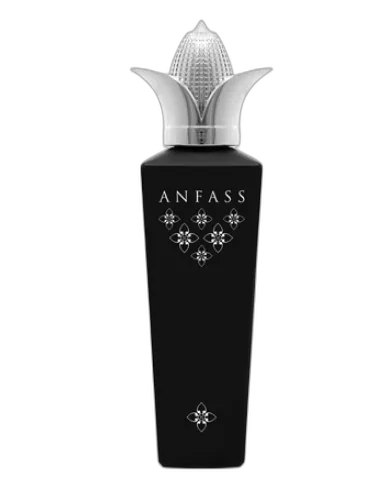
Anfas
Sarab Anfas
Shared top notes: bergamot

Bvlgari
Tygar Bvlgari
Shared heart notes: ginger
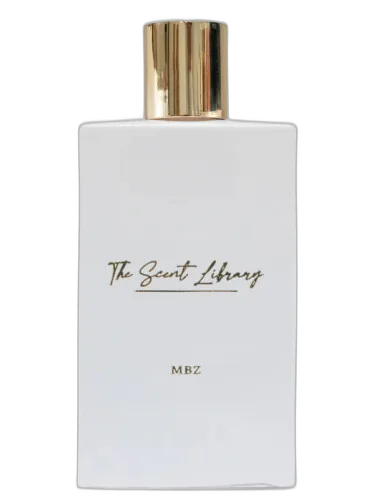
The Scent Library
Mbz The Scent Library
Shared heart notes: ginger
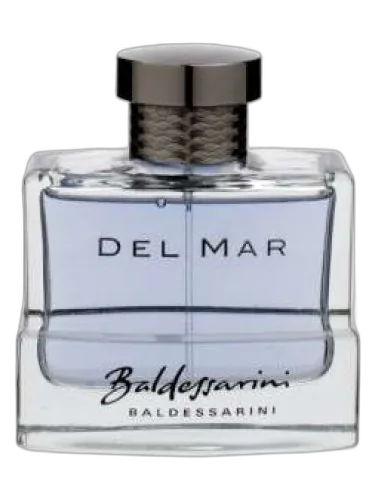
Baldessarini
Del Mar Baldessarini Baldessarini
Shared top notes: bergamot, pepper
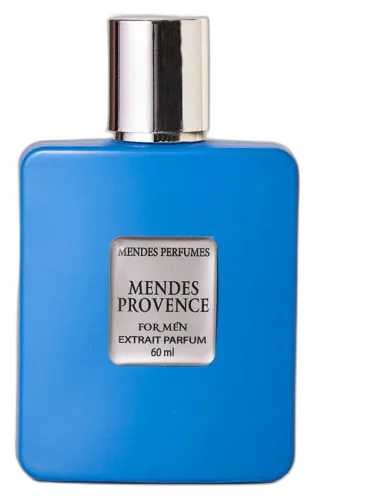
Mendes Perfumes
Provence Mendes Perfumes
Shared top notes: bergamot