
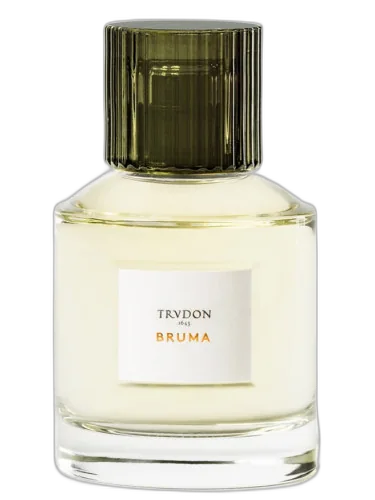
Bruma Trudon
At a glance
Is Bruma Trudon worth trying?
Bruma by Trudon is a Oriental Floral fragrance for women and men.
- Best match
- Evening wear in Fall
- Performance feel
- Very Good longevity with Moderate sillage
- Signature profile
- violet, powdery, iris with Galbanum, Lavender, Black Pepper
The first impression
Bruma by Trudon is a Oriental Floral fragrance for women and men. Bruma was launched in 2017. The nose behind this fragrance is Antoine Lie. Top notes are Galbanum, Lavender and Black Pepper; middle notes are Iris Flower, Violet, Peony and Jasmine; base notes are Vetiver, Labdanum and Tonka Bean.
What shapes the scent
The perfumer behind it

Antoine Lie
Antoine Lie is a French perfumer trained at Givaudan and known for his work with brands like Burberry and Avon. His style often blends bold contrasts, pairing fresh or woody accords with unexpected gourmand or metallic touches. He created the earthy, resinous Sequoia for Abbott New York City and the spicy, incense-laced Sword for CZAR, showcasing his skill with complex, atmospheric compositions.
Notes pyramid
Top Notes
First impression · 15-30 min
 Galbanum
 Lavender
 Black Pepper
Heart Notes
Core character · 2-4 hours
Iris Flower
 Violet
 Peony
Peony
 Jasmine
Base Notes
Lasting impression · 4+ hours
 Vetiver
 Labdanum
 Tonka Bean
The mood it creates
The Sage Archetype: Portrait of Bruma Trudon
Essence
To wear Bruma by Trudon is to cloak oneself in the scent of contemplation-a fragrance of cold stone, incense, and distant forests, evoking the quiet grandeur of a cathedral at dusk. The person who chooses this scent is not one for frivolity; they are drawn to the weight of history, the solemnity of silence, and the slow unfurling of wisdom. They are, at their core, a Sage-an archetype defined by intellect, introspection, and the pursuit of truth.
Shadow
Yet the Sage is not without their burdens. Their greatest strength-their relentless pursuit of truth-can become their prison. They risk detachment, observing life rather than living it, analyzing emotions instead of feeling them. Their skepticism, while sharpening their mind, can harden into cynicism, making them dismissive of those who operate on intuition or faith.
They may also struggle with isolation, for few can match their depth of thought, and they grow impatient with small talk. This can lead to a kind of intellectual arrogance, a subtle belief that their way of seeing the world is superior. Their relationships may suffer as a result-partners may feel scrutinized rather than cherished, friends may tire of being lectured rather than listened to.
At their worst, they become the Hermit, retreating into their own mind until the world outside feels dull and unworthy. They forget that wisdom is not just to be hoarded but shared, that the coldest stone can still be warmed by the sun.
Conclusion
Their life is a carefully curated library of experiences, each one a volume to be studied rather than merely lived. They move through the world with deliberate grace, preferring depth over breadth in all things. Their tastes reflect this: their home is filled with antique books, dark wood, and objects that carry the patina of time-a 17th-century globe, a well-worn leather armchair, a collection of rare incense resins. They dress in muted tones, favoring fabrics that whisper rather than shout: cashmere, linen, wool. Their aesthetic is one of quiet authority, a refusal to be swayed by trends.
Philosophy is not an abstract exercise for them but a lens through which they interpret existence. They might be drawn to Stoicism for its discipline, to Nietzsche for his unflinching honesty, or to Eastern thought for its embrace of paradox. Their values are rooted in clarity, independence, and intellectual rigor-they despise dogma but respect tradition, seeing it as a foundation to be questioned rather than blindly followed.
In relationships, they are selective. They do not suffer fools, but those who earn their respect find a loyal, if occasionally distant, confidant. Their love is not effusive but profound, expressed in shared silences, late-night debates, and the occasional perfectly chosen gift-a first edition, a bottle of aged whisky, a handwritten letter.
If you like this, try these
Fragrances with a comparable profile - shared accords, notes, and character.
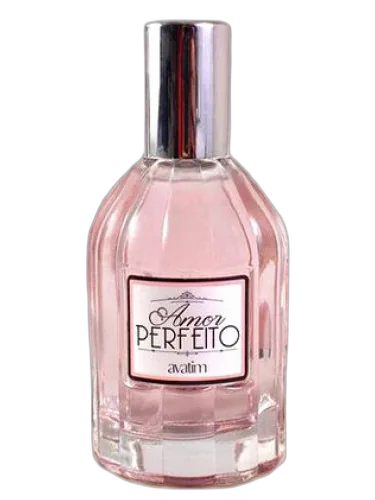
Avatim
Amor Perfeito Avatim
Shared top notes: lavender
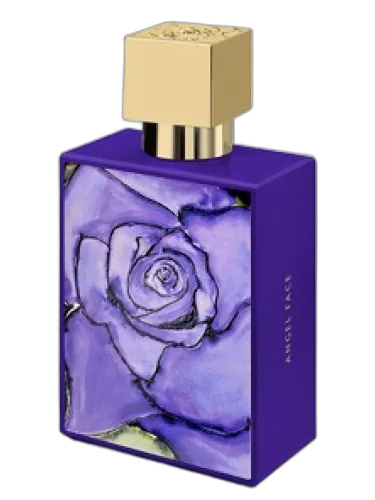
A Dozen Roses
Angel Face A Dozen Roses
Shared heart notes: jasmine, peony, violet
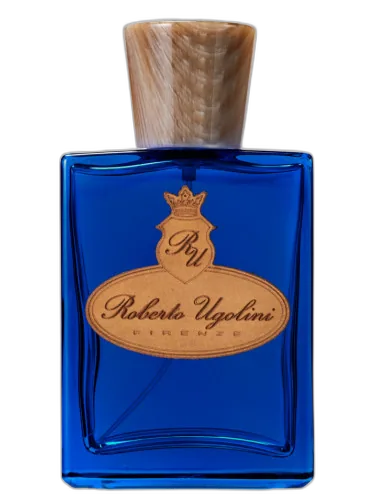
Roberto Ugolini
Blue Suede Shoes Roberto Ugolini
Shared top notes: lavender
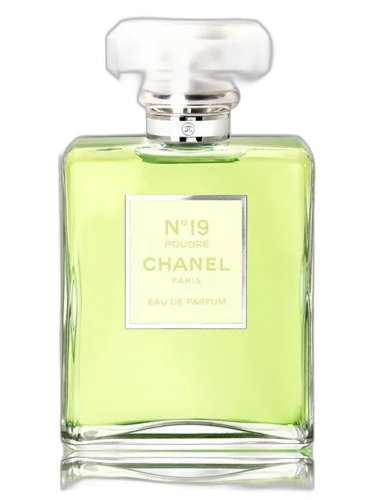
Chanel
Chanel No 19 Poudre Chanel
Shared top notes: galbanum
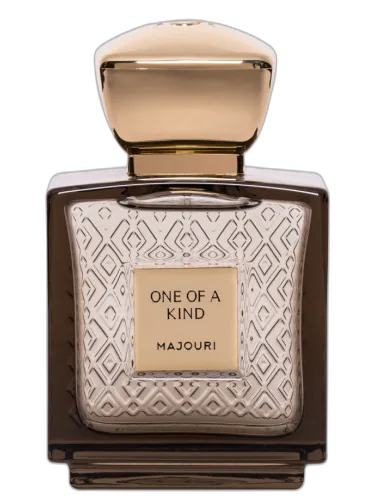
Majouri
One Of A Kind Majouri
Shared top notes: lavender