


Vintage True Brit London
At a glance
Is Vintage True Brit London worth trying?
Vintage by True Brit London is a Oriental Woody fragrance for women and men.
- Best match
- Evening wear in Fall
- Performance feel
- Very Good longevity with Moderate sillage
- Signature profile
- leather, tobacco, animalic with elemi, Pink Pepper, Rum
The first impression
Vintage by True Brit London is a Oriental Woody fragrance for women and men. Vintage was launched in 2019. The nose behind this fragrance is François Robert. Top notes are elemi, Pink Pepper, Rum and Cinnamon; middle notes are Leather and Iris; base notes are Tobacco, Guaiac Wood, Benzoin and Vetiver.
What shapes the scent
The perfumer behind it

François Robert
François Robert is a perfumer who has created fragrances for Bex London, Charlotte Tilbury, and Friedemodin. His work for Bex London includes a series of scents named after London postal codes, such as Londoner EC2 and SW1X, each capturing a distinct urban character. Robert also composed Scent of a Dream for Charlotte Tilbury and the floral Jardin Mystique for Friedemodin, showing a range from sophisticated cityscapes to romantic gardens.
Notes pyramid
Top Notes
First impression · 15-30 min
elemi
 Pink Pepper
 Rum
Rum
 Cinnamon
Heart Notes
Core character · 2-4 hours
 Leather
 Iris
Iris
Base Notes
Lasting impression · 4+ hours
 Tobacco
 Guaiac Wood
 Benzoin
 Vetiver
The mood it creates
The True Brit Archetype: Portrait of Vintage True Brit London
Essence
At the core of this person’s being lies The Sovereign-an archetype of dignity, tradition, and quiet authority. They are not a ruler in the literal sense, but rather someone who carries themselves with an innate sense of self-possession, as if they were born into an unspoken nobility. The fragrance Vintage True Brit London-classic, understated, yet unmistakably distinguished-mirrors their essence. It is not loud, nor does it demand attention, but its presence lingers, leaving an impression of depth and permanence.
The Sovereign is drawn to what endures, what transcends fleeting trends. They are not reactionary, but they are deliberate, valuing heritage without succumbing to nostalgia’s paralysis. Their life is an exercise in cultivated restraint, where every choice-from the cut of their clothing to the company they keep-is a reflection of an internal code.
Style & Aesthetic
Their wardrobe is a study in timelessness: well-tailored wool coats, crisp Oxford shirts, perhaps a pocket watch or a signet ring passed down through generations. They favor muted tones-navy, charcoal, forest green-colors that speak of depth rather than spectacle. Their home is similarly curated: leather-bound books, dark wood furniture, a single antique globe resting on a mahogany desk.
They appreciate craftsmanship, not as a fetish but as a philosophy-objects should be made to last, just as principles should be held without compromise. Music, literature, and art are not mere diversions but extensions of their worldview. They might prefer the structured elegance of a Bach fugue, the wry precision of Evelyn Waugh’s prose, or the stoic beauty of a Turner landscape.
Their daily rhythm is unhurried but purposeful. Mornings might begin with black tea and a newspaper, evenings with a book by the fire. They are not ascetic-they enjoy fine food, good wine, the occasional cigar-but excess is anathema to them. Luxury, to their mind, is not in opulence but in the mastery of one’s own appetites.
Professionally, they excel in roles that require discernment and authority-perhaps law, academia, or finance. They are not driven by ambition for its own sake but by the belief that excellence is its own reward.
Philosophy & Values
To them, tradition is not dogma but a dialogue with history. They do not blindly adhere to the past, but they recognize that wisdom often lies in what has been tested by time. Their moral compass is unwavering-honor, duty, and integrity are not abstract virtues but daily practices. They believe in the power of restraint, in the dignity of self-discipline.
Yet theirs is not a joyless existence. They find pleasure in the subtle: the first sip of a well-aged Scotch, the quiet satisfaction of a perfectly balanced sentence, the rare company of those who understand the value of silence.
Relationships
They do not suffer fools, nor do they seek validation from the crowd. Their friendships are few but profound, built on mutual respect rather than convenience. Romantic partners are chosen with the same deliberation-they are not drawn to tempestuous passion but to a meeting of minds, a shared understanding of life’s deeper currents.
They are not cold, but they are guarded. Vulnerability is a risk, and they prefer to reveal themselves in layers, only to those who have earned their trust. Their love, once given, is steadfast-but they expect the same in return.
Shadow
Even the most refined Sovereign has a shadow. When unbalanced, their dignity can curdle into rigidity, their self-assurance into arrogance. They may dismiss others as vulgar or unworthy, retreating into an elitism that isolates them. The very traditions they cherish can become chains, stifling growth.
At their worst, they may withdraw entirely, becoming the Hermit-a figure so wary of the modern world’s chaos that they refuse to engage with it at all. Their once-noble restraint turns into emotional detachment, their discernment into cynicism.
Conclusion
The ideal Sovereign is neither a relic nor a reactionary. They understand that true refinement is not in resisting change but in meeting it with wisdom. Their strength lies in their ability to uphold principles without becoming prisoners of them.
In the end, their life is not about dominance but about presence-the quiet assurance that some things, like a well-chosen fragrance, need not shout to be remembered.
If you like this, try these
Fragrances with a comparable profile - shared accords, notes, and character.
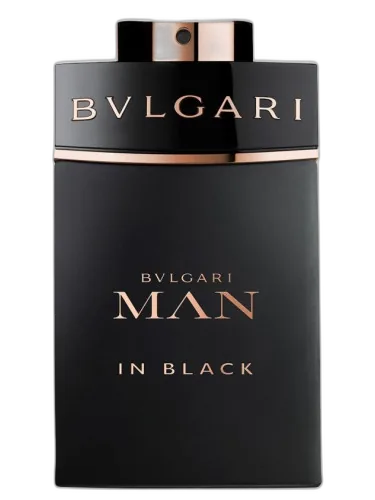
Bvlgari
Bvlgari Man In Black Bvlgari
Shared top notes: rum

Aurora Scents
Omega Aurora Scents
Shared top notes: rum
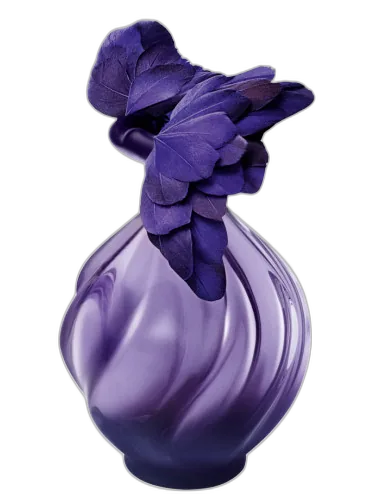
Nina Ricci
L’air Du Temps Nuit Pourpre Nina Ricci
Shared top notes: pink pepper
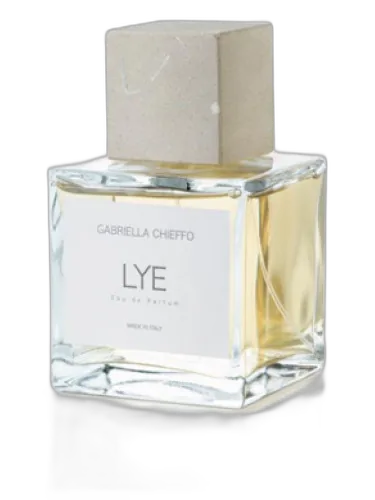
Maison Gabriella Chieffo
Lye Maison Gabriella Chieffo
Shared heart notes: iris, leather
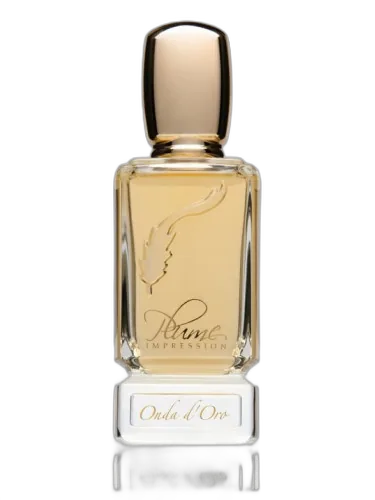
Plume Impression
Onda D'oro Plume Impression
Shared heart notes: iris, leather