


Essenza Del Tempo Trussardi
At a glance
Is Essenza Del Tempo Trussardi worth trying?
Essenza del Tempo by Trussardi is a fragrance for women and men.
- Best match
- Evening wear in Fall
- Performance feel
- Good longevity with Moderate sillage
- Signature profile
- powdery, woody, citrus with Bergamot, Ginger, Carrot Seeds
The first impression
Essenza del Tempo by Trussardi is a fragrance for women and men. Essenza del Tempo was launched in 2008. The nose behind this fragrance is Sophie Labbe. Top notes are Bergamot, Ginger, Carrot Seeds and Amber; middle notes are Iris, Ambrette (Musk Mallow), Floral Notes and Balsamic Vinegar; base notes are Cedar, Coffee and Resins.
What shapes the scent
The perfumer behind it

Sophie Labbé
Sophie Labbé has created fragrances for a diverse array of brands, including Estée Lauder, Blumarine, and Fiorucci. Her portfolio includes Pure White Linen and Bellissima Acqua Di Primavera. She is known for her versatility across both classic and contemporary styles.
Notes pyramid
Top Notes
First impression · 15-30 min
 Bergamot
 Ginger
 Carrot Seeds
 Amber
Amber
Heart Notes
Core character · 2-4 hours
 Iris
Iris
 Ambrette (Musk Mallow)
 Floral Notes
 Balsamic Vinegar
Base Notes
Lasting impression · 4+ hours
 Cedar
Cedar
 Coffee
 Resins
The mood it creates
The Trussardi Essenza Del Temp Archetype: Portrait of Essenza Del Tempo Trussardi
Essence
To wear Essenza Del Tempo is to carry the weight of time with grace-an acknowledgment of its fleeting nature, yet a refusal to be ruled by it. This fragrance, with its blend of citrus, woods, and spices, speaks of a person who values depth over immediacy, substance over spectacle. They are neither bound by nostalgia nor seduced by the ephemeral; instead, they move through life with a measured elegance, embodying the Sage archetype-the seeker of wisdom, the observer of patterns, the one who distills experience into understanding.
Shadow
Yet wisdom, when unchecked, can become a fortress. The Sage’s greatest strength-their ability to observe and analyze-can also be their greatest flaw. They may retreat too far into thought, mistaking contemplation for living. At times, they risk becoming spectators of their own lives, weighing every decision so carefully that spontaneity feels like recklessness.
Their discernment can harden into judgment. They may dismiss those who lack their depth as frivolous, impatience flickering beneath their composed exterior. Their standards, both for themselves and others, can be unforgiving. When disappointed, they withdraw rather than confront, leaving conflicts unresolved in the name of avoiding "petty" emotions.
There is also the danger of overestimating their own understanding. The Sage, confident in their perceptions, may overlook their blind spots. They might rationalize their own coldness as wisdom, their avoidance as prudence. The very intellect that guides them can, at times, isolate them.
Conclusion
This person is drawn to the enduring-classic literature, well-crafted objects, conversations that linger into the night. Their tastes are refined but not ostentatious; they prefer a tailored blazer over loud fashion, a well-worn leather journal over digital ephemera. Their home is a sanctuary of order and meaning: shelves lined with books, a carefully curated record collection, perhaps an antique timepiece-objects that carry history and intention.
Philosophically, they are contemplative but not detached. They believe in the value of knowledge, not as an end in itself, but as a means to live more deliberately. Stoicism appeals to them, not as a rigid doctrine, but as a framework for resilience. They admire those who endure without complaint, who think before they speak, who act with precision rather than impulse.
In relationships, they are selective but deeply loyal. They do not surround themselves with many, but those they keep close are bound by mutual respect and intellectual kinship. Their love is not effusive but steady-a quiet constancy that reveals itself in actions rather than declarations. They are the friend who remembers the details, who offers counsel only when asked, who listens more than they speak.
If you like this, try these
Fragrances with a comparable profile - shared accords, notes, and character.
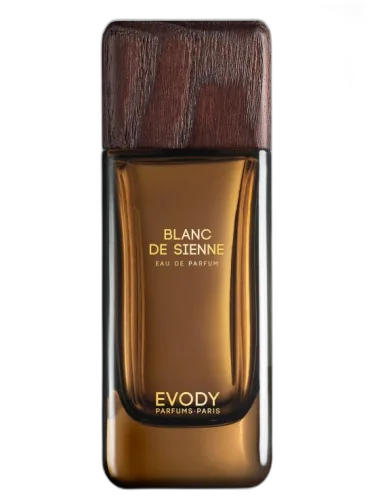
Evody Parfums
Blanc De Sienne Evody Parfums
Shared top notes: bergamot
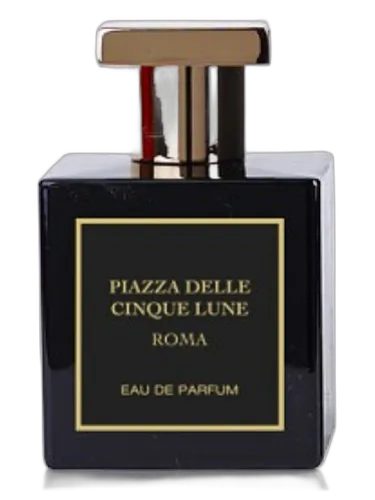
Bottega del Profumo
Piazza Delle Cinque Lune Bottega Del Profumo
Shared top notes: amber, bergamot
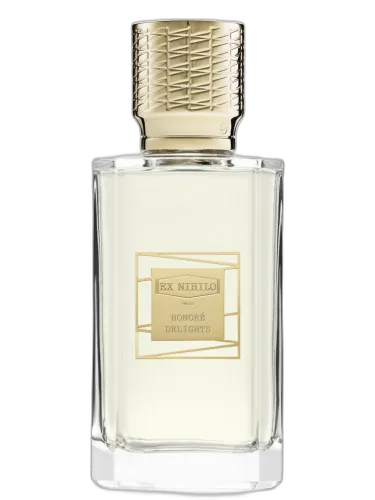
Ex Nihilo
Honoré Delights Ex Nihilo
Shared top notes: bergamot
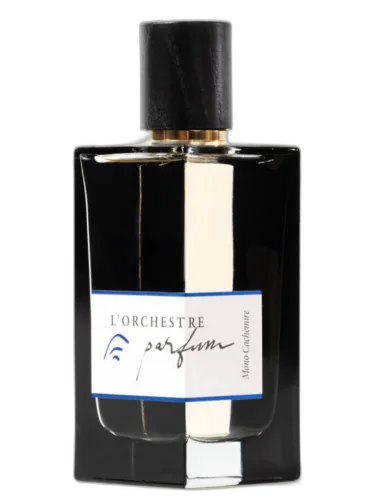
L'Orchestre Parfum
Mono Cachemire L'orchestre Parfum
Shared top notes: bergamot
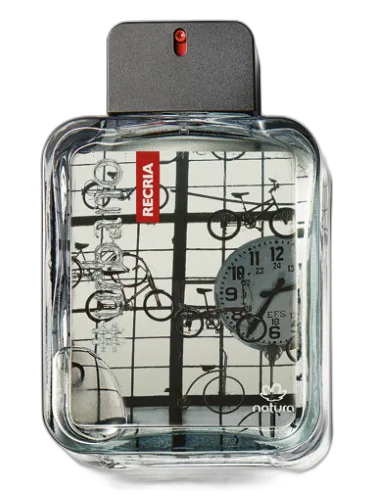
Natura
Recria Natura
Shared top notes: bergamot, ginger