


Trussardi Jeans Trussardi
At a glance
Is Trussardi Jeans Trussardi worth trying?
Trussardi Jeans by Trussardi is a Floral fragrance for women.
- Best match
- Casual wear in Spring
- Performance feel
- Moderate longevity with Moderate sillage
- Signature profile
- powdery, floral, violet with Violet, Water Lily, Freesia
The first impression
Trussardi Jeans by Trussardi is a Floral fragrance for women. Trussardi Jeans was launched in 2003. The nose behind this fragrance is Anne Flipo. Top notes are Violet and Water Lily; middle notes are Freesia, Lily and Tuberose; base notes are Heliotrope, White Musk and Liatris.
What shapes the scent
The perfumer behind it

Anne Flipo
Anne Flipo is a French perfumer and a master of delicate, luminous compositions, often working with IFF and known for her refined floral and woody accords. Her style balances transparency with depth, creating scents that feel both airy and substantial, as seen in the ethereal Pleine Lune and the sophisticated Serpent Bohème. Among her notable creations are the bold 212 Vip Black and the radiant Joyphoria, showcasing her versatility across modern and classic aesthetics.
Notes pyramid
Top Notes
First impression · 15-30 min
 Violet
 Water Lily
Heart Notes
Core character · 2-4 hours
 Freesia
 Lily
Lily
 Tuberose
Base Notes
Lasting impression · 4+ hours
 Heliotrope
White Musk
Heliotrope
White Musk
 Liatris
The mood it creates
The Lover Archetype: Portrait of Trussardi Jeans Trussardi
Essence
To wear Trussardi Jeans is to embrace a scent that is unpretentious yet distinctive-fresh, woody, subtly leathery, with an undercurrent of warmth. It does not demand attention but lingers in memory, much like the person who chooses it. This fragrance is for one who values freedom above all, who moves through life with an effortless ease, unburdened by rigid expectations. Their archetype is unmistakable: The Wanderer.
Shadow
Yet for all their vitality, the Wanderer carries a shadow-a gnawing dissatisfaction, a fear of stagnation. Their independence can become isolation; their love of novelty can morph into an inability to commit. They may mistake motion for progress, fleeing discomfort rather than facing it. At their worst, they become ghosts-present in body but always half-detached, never fully investing in anything or anyone.
This restlessness can leave a trail of unfinished projects, half-lived loves, and unresolved tensions. They may pride themselves on their freedom, but freedom without depth is merely escape. The true challenge for the Wanderer is to learn when to stay, when to dig roots without fearing they will suffocate.
Conclusion
The Wanderer is not bound by convention. They are drawn to open roads, both literal and metaphorical, seeking experiences rather than possessions. Their style is casual yet intentional-a well-worn leather jacket, jeans that have seen adventures, a scarf tossed carelessly over the shoulder. They prefer comfort over ostentation, but there is always an edge of individuality, a refusal to blend entirely into the crowd.
Their philosophy is one of self-discovery. They believe life is meant to be tasted, not merely endured. Routine is their enemy; spontaneity, their ally. They are the friend who suggests an impromptu road trip, the colleague who always has a story from some far-off place. Their values center on authenticity-they despise pretense and are drawn to people who are unafraid to be themselves, flaws and all.
In relationships, they are magnetic but elusive. They love deeply but resist confinement. Partners are drawn to their energy, their refusal to be dull, but may eventually chafe at their reluctance to settle. Their friendships are rich and varied, built on shared moments rather than obligation. They are the confidant who listens without judgment, the one who offers perspective but never demands compliance.
If you like this, try these
Fragrances with a comparable profile - shared accords, notes, and character.
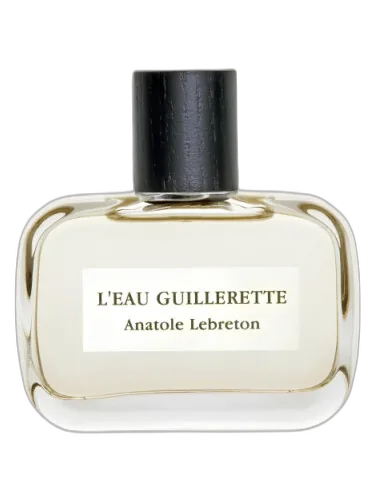
Anatole Lebreton
L'eau Guillerette Anatole Lebreton
Shared base notes: heliotrope, white musk
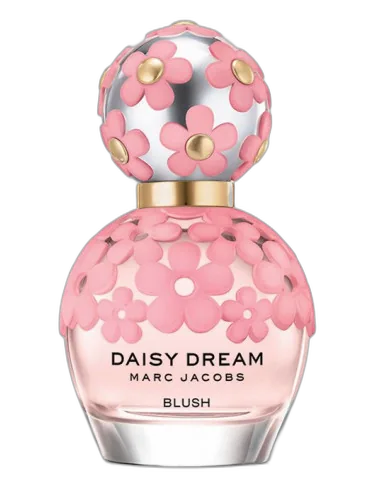
Marc Jacobs
Daisy Dream Blush Marc Jacobs
Shared top notes: violet, water lily
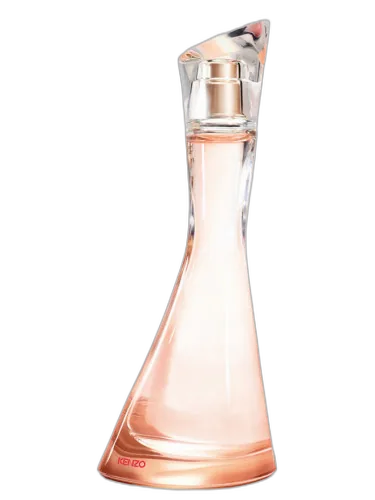
Kenzo
Jeu D'amour Eau De Toilette Kenzo
Shared heart notes: freesia, tuberose
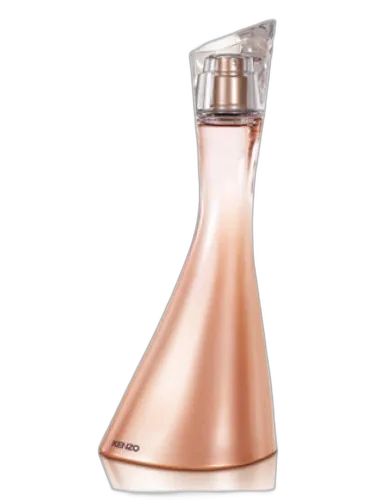
Kenzo
Jeu D'amour Kenzo
Shared heart notes: freesia, tuberose
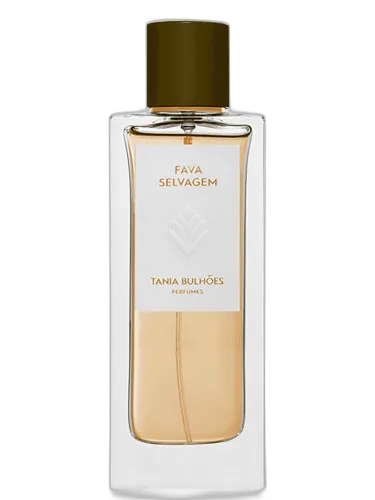
Tania Bulhões
Fava Selvagem Tania Bulhões
Shared top notes: water lily