

Trussardi Uomo Eau De Parfum Trussardi
At a glance
Is Trussardi Uomo Eau De Parfum Trussardi worth trying?
Trussardi Uomo Eau de Parfum by Trussardi is a Oriental Fougere fragrance for men.
- Best match
- Office wear in Spring, Fall
- Performance feel
- Good longevity with Moderate sillage
- Signature profile
- aromatic, fresh spicy, citrus with Bergamot, Galbanum, Italian Lemon
The first impression
Trussardi Uomo Eau de Parfum by Trussardi is a Oriental Fougere fragrance for men. Trussardi Uomo Eau de Parfum was launched in 2019. The nose behind this fragrance is Aurélien Guichard. Top notes are Bergamot, Galbanum, Italian Lemon and Nutmeg; middle notes are Geranium, Violet Leaves and Clary Sage; base notes are Leather, Patchouli and Moss.
What shapes the scent
The perfumer behind it
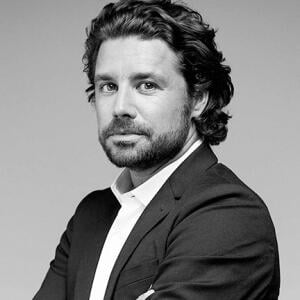
Aurélien Guichard
Aurélien Guichard is a French perfumer and the creative director of Givaudan's prestigious Fragrance Division, known for his deep expertise in natural ingredients. His style balances modern minimalism with rich, textured accords, often highlighting woody, aromatic, or green notes with unexpected contrasts. He created the iconic Bond No 9 Chinatown, a bold floral gourmand, and the crisp, verdant Azzaro Aqua Verde, demonstrating his range from opulent to fresh. Guichard's work has helped define contemporary luxury perfumery through its refined yet accessible character.
Notes pyramid
Top Notes
First impression · 15-30 min
 Bergamot
 Galbanum
Italian Lemon
Galbanum
Italian Lemon
 Nutmeg
Heart Notes
Core character · 2-4 hours
 Geranium
Violet Leaves
Geranium
Violet Leaves
 Clary Sage
Base Notes
Lasting impression · 4+ hours
 Leather
 Patchouli
Moss
Patchouli
Moss
The mood it creates
The Sovereign Archetype: Portrait of Trussardi Uomo Eau De Parfum Trussardi
Essence
To wear Trussardi Uomo Eau de Parfum is to embrace a fragrance that is refined yet assertive-a blend of leather, spices, and woods that speaks of quiet authority rather than ostentation. The man who chooses this scent does not seek to dominate through brute force, but through presence. He is drawn to the interplay of tradition and modernity, much like the fragrance itself-rooted in classic masculinity yet unafraid of contemporary sophistication.
His archetype is the Sovereign-the ruler, the leader, the man who commands respect not by demanding it, but by embodying it. He does not shout; he does not need to. His influence is subtle, his confidence unshaken by the turbulence of lesser men.
Style & Aesthetic
His wardrobe is curated, never cluttered. He favors tailored suits in muted tones, leather shoes polished to a quiet sheen, and watches that tell time without screaming for attention. He appreciates craftsmanship-not as a status symbol, but as a testament to human skill. His home is an extension of this philosophy: clean lines, well-chosen art, spaces designed for both solitude and meaningful gatherings.
He enjoys the arts but scorns pretension. A well-composed symphony moves him more than empty avant-garde posturing. He reads philosophy, history, and literature, not to impress, but to sharpen his mind. His taste in food and drink is similarly deliberate-fine wine, yes, but not for the label alone. He savors the experience, not the spectacle.
His days are structured, his habits deliberate. He rises early, exercises not for vanity but for vitality, and approaches work with the precision of a strategist. He is not a workaholic-he understands the value of leisure-but idleness repels him. Even his pleasures are chosen with care: a cigar on occasion, a well-aged whiskey, travel not for escapism but for enrichment.
But the shadow of discipline is obsession. If unchecked, his need for control can turn life into a series of self-imposed edicts, leaving no room for spontaneity or grace. The Sovereign must remember that even the finest leather, over time, must bend-or it will crack.
Philosophy & Values
He believes in order, not as a rigid structure, but as the foundation upon which true freedom is built. Chaos disgusts him, not because he fears it, but because he sees it as wasteful-a squandering of potential. His moral code is self-imposed, not inherited. He does not follow rules blindly; he follows principles.
Yet this very strength contains its shadow. His insistence on control can harden into rigidity. He may mistake his own judgment for absolute truth, dismissing dissent as ignorance. His disdain for incompetence can curdle into impatience, even cruelty, when others fail to meet his standards. The Sovereign risks becoming the Tyrant-not through malice, but through the unchecked belief in his own infallibility.
Relationships
He does not have many friends, but those he keeps are bound to him by mutual respect. He does not suffer fools, nor does he tolerate sycophants. His love is not effusive, but it is deep-a quiet devotion expressed in actions rather than words. Romantic partners are drawn to his self-assurance, but some may eventually chafe under his expectation of excellence. He is slow to trust, but once given, his loyalty is unshakable.
Yet here, too, lies danger. His high standards can isolate him. He may mistake solitude for strength, forgetting that even kings need counsel. His reluctance to show vulnerability can make him seem cold, even to those who love him most.
Conclusion
The man who wears Trussardi Uomo is neither a brute nor a dandy. He is a ruler of his own domain, a man who understands that true authority comes not from domination, but from self-mastery. His greatest strength-his unyielding will-is also his greatest weakness. To remain noble, he must temper his sovereignty with humility, lest he become a tyrant in his own mind.
In the end, his fragrance is more than a scent; it is a declaration. Not of arrogance, but of identity. He does not wear it to be seen. He wears it because it is him.
If you like this, try these
Fragrances with a comparable profile - shared accords, notes, and character.
Trussardi
Uomo Trussardi 2011 Trussardi
Shared top notes: bergamot, galbanum, nutmeg
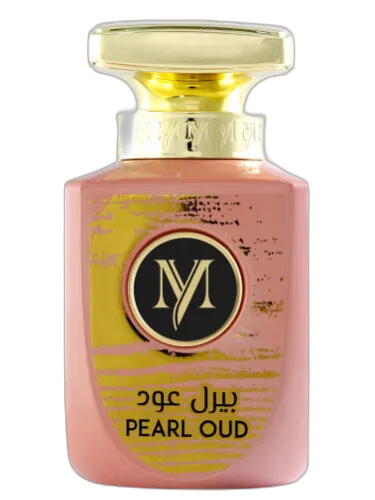
My Perfumes Select
Pearl Oud My Perfumes Select
Shared top notes: bergamot, nutmeg

Mercedes-Benz
The Move Live The Moment Mercedes-benz
Shared top notes: bergamot
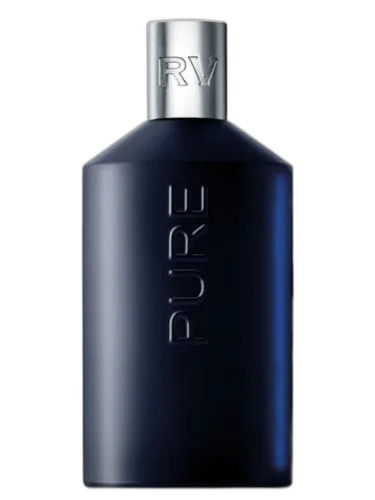
Roberto Verino
Rv Pure Man Intenso Roberto Verino
Shared base notes: leather, moss, patchouli
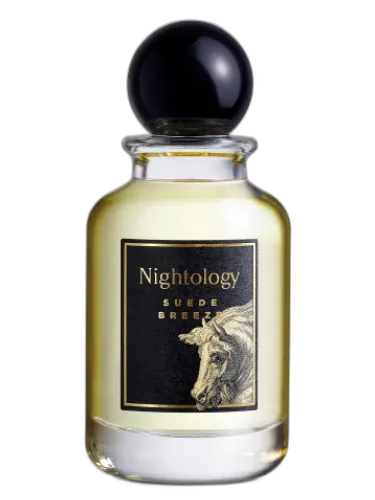
Jesus Del Pozo
Suede Breeze Jesus Del Pozo
Shared top notes: bergamot