
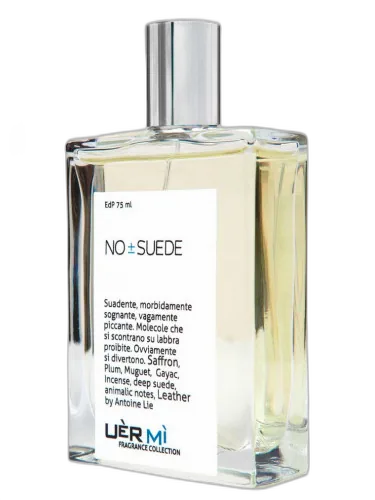

No ± Suede Uermi
At a glance
Is No ± Suede Uermi worth trying?
NO ± Suede by UERMI is a Leather fragrance for women and men.
- Best match
- Evening wear in Fall
- Performance feel
- Good longevity with Moderate sillage
- Signature profile
- leather, fruity, smoky with Suede, Leather, Plum
The first impression
NO ± Suede by UERMI is a Leather fragrance for women and men. NO ± Suede was launched in 2014. The nose behind this fragrance is Antoine Lie.
What shapes the scent
The perfumer behind it

Antoine Lie
Antoine Lie is a French perfumer trained at Givaudan and known for his work with brands like Burberry and Avon. His style often blends bold contrasts, pairing fresh or woody accords with unexpected gourmand or metallic touches. He created the earthy, resinous Sequoia for Abbott New York City and the spicy, incense-laced Sword for CZAR, showcasing his skill with complex, atmospheric compositions.
Notes pyramid
All Notes
Complete scent profile
 Suede
Suede
 Leather
 Plum
Plum
 Saffron
 Incense
 Guaiac Wood
 Lily-of-the-Valley
The mood it creates
The Alchemist Archetype: Portrait of No ± Suede Uermi
Essence
The one who wears No ± Suede Uermi is an Alchemist-a seeker of transformation, a weaver of paradoxes, a mind that thrives in the liminal spaces between the sensual and the cerebral. This fragrance, with its interplay of soft suede, smoky resins, and elusive mineralic edges, mirrors their nature: neither wholly warm nor cold, neither entirely grounded nor ethereal. They are drawn to the tension between opposites, the alchemical fusion of contradictions.
Like the archetypal Alchemist, they are not content with surface meanings. They dig, they experiment, they transmute the raw materials of experience into something richer, stranger. Their life is a laboratory of the self, where emotions, ideas, and sensations are distilled into meaning.
Shadow
Yet the Alchemist’s gift is also their curse. Their refusal to settle can become a form of restlessness, a refusal to commit-to people, to ideas, even to themselves. They may grow disillusioned too quickly, abandoning projects (or lovers) the moment the initial mystery fades. Their search for deeper meaning can become a way to avoid the mundane but necessary work of living.
At their worst, they may slip into solipsism, convinced that only they truly understand the hidden layers of reality. Their love of paradox can become contrarianism, their intelligence a weapon to dismantle others’ certainties without offering anything in return.
Conclusion
Their tastes are deliberate, almost ritualistic. They prefer textures that tell a story-worn leather, rough linen, cold steel. Their home is a sanctuary of contrasts: minimalist yet cluttered with odd artifacts, dimly lit but with sudden bursts of color. They collect books not for display but for the weight of their ideas, the smell of their pages. Music is an obsession, but not for mere pleasure-they dissect it, feeling for the hidden structures beneath the sound.
Philosophically, they reject absolutes. Truth, to them, is a spectrum, a shifting thing best understood through paradox. They might quote Heraclitus or Jung, but never dogmatically-more as a provocation, a way to unsettle rigid thinking. They believe in the necessity of friction, the way opposing forces create something new.
If you like this, try these
Fragrances with a comparable profile - shared accords, notes, and character.

Parfumerie Particulière
Type Writer Parfumerie Particulière
Shared top notes: incense, leather, saffron
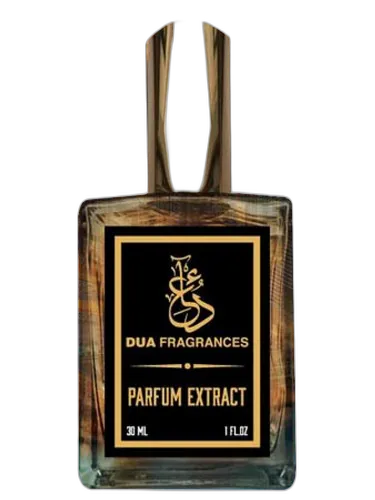
The Dua Brand
Leather Oud The Dua Brand
Shared top notes: leather, suede
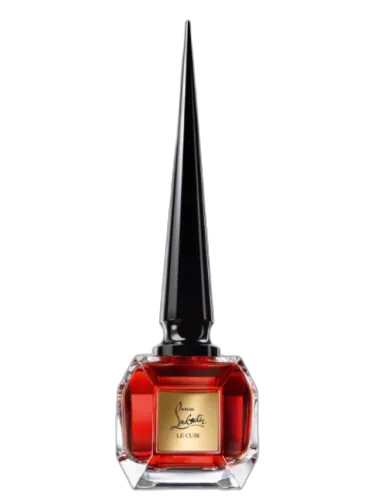
Christian Louboutin
Fétiche Le Cuir Christian Louboutin
Shared top notes: leather, suede
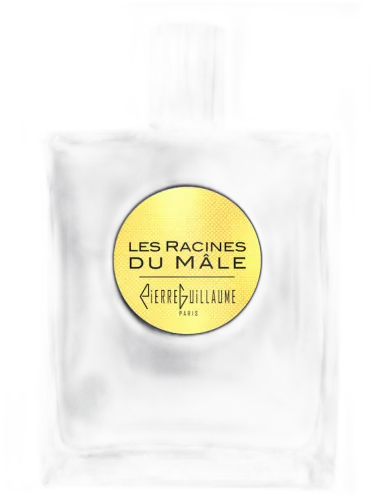
Pierre Guillaume Paris
Les Racines Du Mâle Pierre Guillaume Paris
Shared top notes: guaiac wood, incense, leather
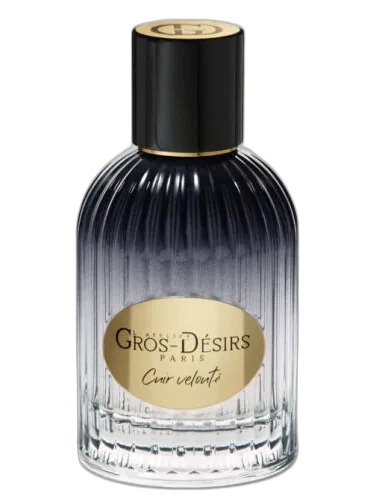
L'Atelier Gros-Désirs
Cuir Velouté L'atelier Gros-désirs
Shared top notes: plum, saffron, suede