
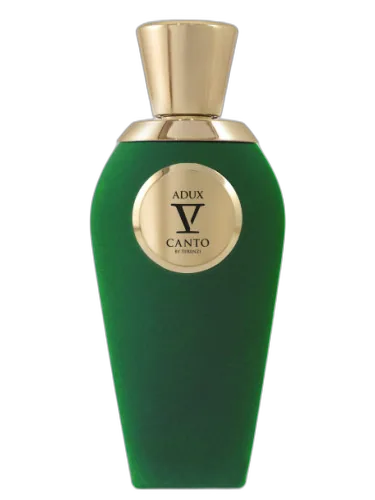

Adux V Canto
At a glance
Is Adux V Canto worth trying?
Adux by V Canto is a fragrance for women and men.
- Best match
- Evening wear in Fall
- Performance feel
- Very Good longevity with Strong sillage
- Signature profile
- citrus, woody, leather with Brazilian Orange, Calabrian bergamot, Grapefruit
The first impression
Adux by V Canto is a fragrance for women and men. This is a new fragrance. Adux was launched in 2023. The nose behind this fragrance is Paolo Terenzi. Top notes are Brazilian Orange, Calabrian bergamot, Grapefruit and Apple; middle notes are Pineapple, Grass, Patchouli and Cardamom; base notes are Birch, Oakmoss, Musk, Ambergris and Cambodian Oud.
What shapes the scent
The perfumer behind it

Paolo Terenzi
Paolo Terenzi is a perfumer known for his work with Antonio Croce, creating a range of fragrances including Ardente, Incantevole, Meraviglia, Perfetta, Sofisticata, Straordinaria, and Unica. He also composed 1+7 Extrait De Parfum for D'OTTO. Terenzi's style is characterized by bold, opulent compositions that often feature rich florals and warm resins.
Notes pyramid
Top Notes
First impression · 15-30 min
 Brazilian Orange
Calabrian bergamot
Brazilian Orange
Calabrian bergamot
 Grapefruit
 Apple
Apple
Heart Notes
Core character · 2-4 hours
 Pineapple
 Grass
Grass
 Patchouli
 Cardamom
Base Notes
Lasting impression · 4+ hours
 Birch
Birch
 Oakmoss
 Musk
Musk
 Ambergris
 Cambodian Oud
The mood it creates
The Lover Archetype: Portrait of Adux V Canto
Essence
The one who wears Adux V Canto is not merely a connoisseur of fragrance but a seeker of beauty in its most refined and elusive forms. They embody the Sage archetype, yet their wisdom is not cold or detached-it is sensual, poetic, and deeply attuned to the world’s hidden harmonies. The Sage seeks truth, but this Sage seeks it through the senses, through the interplay of scent and memory, intellect and intuition.
Adux V Canto is a fragrance of contrasts-warm yet ethereal, structured yet free-flowing. So too is the person who chooses it: a mind sharp as a blade, yet a heart that thrums with quiet passion. They are drawn to the interplay of light and shadow, the tension between discipline and abandon.
Relationships
They do not seek many companions, but the few they allow close are bound to them by shared depth rather than mere familiarity. Their love is not possessive but contemplative-they admire the mystery in others, the way a person unfolds like a complex fragrance over time.
Yet, their shadow emerges here: they can become so enamored with the idea of someone that they overlook the reality. Their idealism may lead to quiet disillusionment, a retreat into solitude when others fail to meet their silent expectations. They do not rage at betrayal; they simply withdraw, as if closing a book they no longer wish to read.
Shadow
Their greatest strength-their discernment-can become their cage. Their pursuit of the sublime may blind them to the beauty in the ordinary, the flawed, the unpolished. They risk becoming a spectator of life rather than a participant, always analyzing, never surrendering.
At their worst, they cultivate an air of unapproachability, mistaking detachment for wisdom. They may dismiss what they do not understand, cloaking their avoidance in the guise of taste. The Sage must remember: true wisdom is not in knowing what to exclude, but in knowing when to embrace.
Conclusion
Their surroundings are an extension of their inner world-carefully composed, yet never sterile. A home filled with well-worn books, art that whispers rather than shouts, and objects that carry the weight of meaning. They prefer muted tones-deep greens, warm ambers, the soft gray of morning fog-colors that do not demand attention but reward it.
Their taste in music leans toward the intricate: baroque compositions, jazz that bends time, or ambient soundscapes that dissolve the boundary between noise and silence. They dislike the obvious, the garish, the unrefined-not out of snobbery, but because their senses are finely tuned, and excess feels like an assault.
In philosophy, they are drawn to thinkers who balance reason with reverence-Nietzsche’s Dionysian-Apollonian duality, Schopenhauer’s aesthetics, the Taoist principle of wu wei. They believe wisdom is not found in rigid doctrines but in the spaces between ideas, in the pauses between words.
If you like this, try these
Fragrances with a comparable profile - shared accords, notes, and character.

Museum Parfums
Museum Bacchus Museum Parfums
Shared top notes: apple
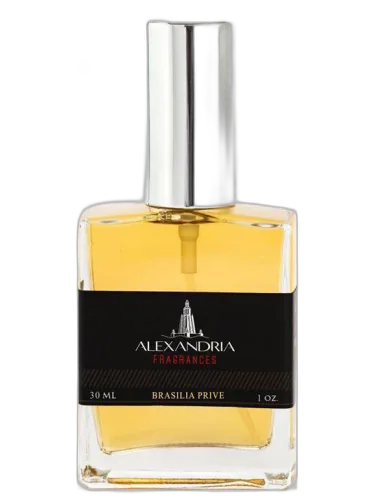
Alexandria Fragrances
Brasilia Prive Alexandria Fragrances
Shared top notes: apple
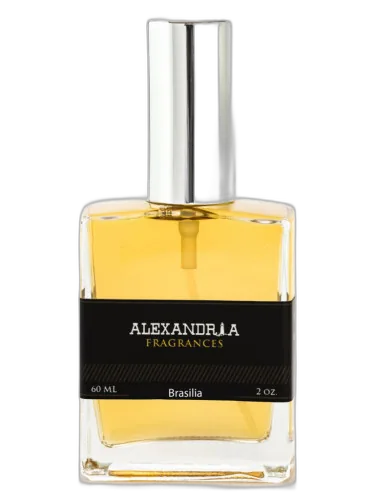
Alexandria Fragrances
Brasilia Alexandria Fragrances
Shared top notes: apple

Spirit Of Kings
Matar Spirit Of Kings
Shared top notes: apple

Nick Ricardo Collection
Mention Nick Ricardo Collection
Shared top notes: apple