


Cicuta V Canto
At a glance
Is Cicuta V Canto worth trying?
Cicuta by V Canto is a Floral Woody Musk fragrance for women and men.
- Best match
- Evening wear in Fall
- Performance feel
- Very Good longevity with Strong sillage
- Signature profile
- rose, citrus, vanilla with Clementine, Orange, Bergamot
The first impression
Cicuta by V Canto is a Floral Woody Musk fragrance for women and men. Cicuta was launched in 2016. The nose behind this fragrance is Paolo Terenzi. Top notes are Clementine, Orange and Bergamot; middle notes are Bulgarian Rose, Rose and Coriander; base notes are Vanilla, Vanilla Flower, Musk, Birch, Borage and Amber.
What shapes the scent
The perfumer behind it

Paolo Terenzi
Paolo Terenzi is a perfumer known for his work with Antonio Croce, creating a range of fragrances including Ardente, Incantevole, Meraviglia, Perfetta, Sofisticata, Straordinaria, and Unica. He also composed 1+7 Extrait De Parfum for D'OTTO. Terenzi's style is characterized by bold, opulent compositions that often feature rich florals and warm resins.
Notes pyramid
Top Notes
First impression · 15-30 min
 Clementine
 Orange
 Bergamot
Heart Notes
Core character · 2-4 hours
 Bulgarian Rose
 Rose
Rose
 Coriander
Base Notes
Lasting impression · 4+ hours
 Vanilla
 Flower
Vanilla
Vanilla Flower
 Musk
Musk
 Birch
Birch
 Borage
 Amber
Amber
The mood it creates
The Lover Archetype: Portrait of Cicuta V Canto
Essence
At the core of this individual lies the Sage, the seeker of hidden truths, the one who peers beyond the veil of appearances. The fragrance they favor-Cicuta V Canto, with its dark, vegetal bitterness and haunting floral whispers-mirrors their essence: an intellect that thrives in the liminal spaces between beauty and decay, wisdom and danger. They are drawn to the forbidden, the esoteric, the knowledge that others fear to touch.
Yet, like all archetypes, the Sage has its shadow. Their relentless pursuit of truth can become a cold detachment, a refusal to engage with the warmth of human imperfection. They may wield knowledge like a blade, cutting through illusions but leaving wounds in their wake.
Style & Aesthetic
Their style is one of controlled decadence-structured yet subtly unsettling. Dark fabrics with intricate textures, garments that suggest history rather than trend. They favor the Gothic Romantic, where elegance meets the macabre, where beauty is inseparable from its own fragility.
In art, they are drawn to symbolism, to works that demand interpretation. A painting is not merely seen; it is decoded. Music, for them, must have layers-Baroque complexity or avant-garde dissonance, never mere entertainment.
They thrive in solitude and controlled environments-a dimly lit study, a hidden garden, a café at midnight. Routine is not dullness to them, but ritual. They may keep odd hours, finding inspiration in the quiet of the night.
Their habits reflect their dual nature: disciplined yet indulgent. They may practice asceticism in some areas (fasting, meditation) while surrendering to sensory pleasures in others (fine wine, rare perfumes). Balance is not about moderation, but about intensity in the right measure.
Philosophy & Values
They walk through life as if it were a grand library of forgotten manuscripts, each experience a text to be deciphered. Their philosophy is not one of rigid dogma but of fluid inquiry-truth is not a destination, but a labyrinth. They value intelligence, but not for its own sake; rather, for its power to dismantle illusions.
Yet, their reverence for knowledge can make them dismissive of those who do not share their depth. They may mistake cynicism for wisdom, forgetting that not all mysteries must be solved to be appreciated.
Relationships
They do not seek companionship lightly. Their relationships are curated, built on mutual fascination rather than convenience. They are drawn to those who challenge them, who possess their own enigmatic depths. Superficiality repels them; they would rather be alone than endure hollow conversation.
Yet, their shadow emerges here-their love of mystery can become emotional aloofness. They may withdraw into their intellect, using it as a shield against vulnerability. Others may perceive them as cold, when in truth, they simply fear the chaos of unguarded emotion.
Shadow
Light: They possess penetrating insight, the ability to see what others miss. Their mind is a scalpel, cutting through deception. They are fiercely independent, unswayed by trends or empty authority.
Shadow: Their intellect can become a prison. They may disdain those who live by instinct rather than analysis, forgetting that wisdom also resides in the body, in passion, in surrender. Their greatest fear? Being wrong-because to them, error is not just a mistake, but a betrayal of their identity.
Conclusion
To love Cicuta V Canto is to embrace the poison and the poetry of existence. This person walks the razor’s edge between enlightenment and isolation. They are the scholar in the candlelit tower, the one who knows too much-and perhaps, not enough.
Their challenge is not to abandon reason, but to let it breathe, to allow for the messiness of life without needing to dissect it. For the Sage who learns this becomes not just a thinker, but a true philosopher of being.
If you like this, try these
Fragrances with a comparable profile - shared accords, notes, and character.
Lord Milano
Velvet Rose Lord Milano
Shared top notes: bergamot, orange
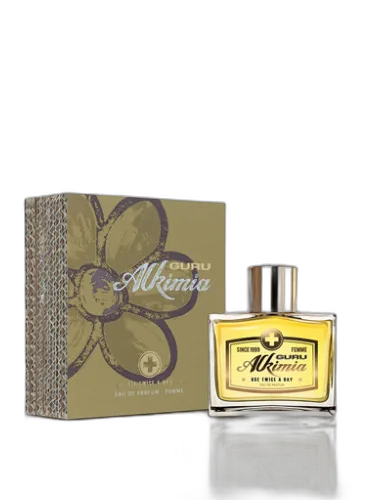
Guru Scent
Alkimia Donna Guru Scent
Shared top notes: bergamot, orange
CZAR
Venom X Aslan Gülçiçek Czar
Shared top notes: bergamot, orange
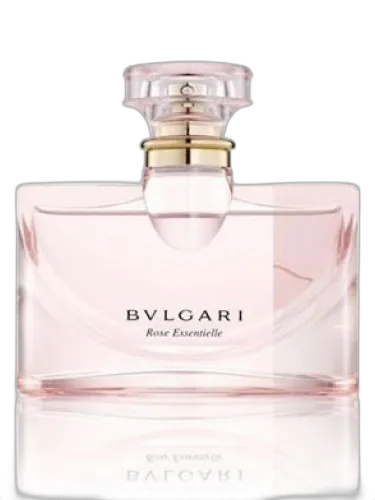
Bvlgari
Bvlgari Rose Essentielle Eau De Toilette Rosee Bvlgari
Shared top notes: bergamot, orange

By Kilian
Love Don't Be Shy Extreme By Kilian
Shared top notes: bergamot