
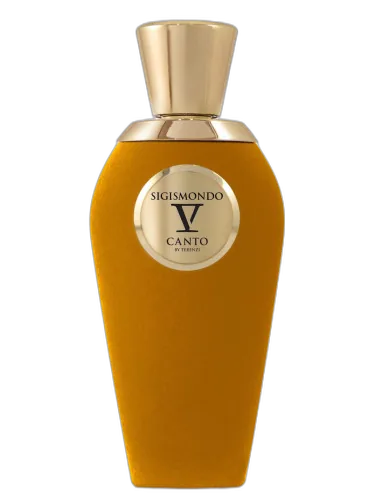

Sigismondo V Canto
At a glance
Is Sigismondo V Canto worth trying?
Sigismondo by V Canto is a Woody Spicy fragrance for women and men.
- Best match
- Evening wear in Fall
- Performance feel
- Excellent longevity with Strong sillage
- Signature profile
- woody, warm spicy, musky with Saffron, Cinnamon, Cambodian Oud
The first impression
Sigismondo by V Canto is a Woody Spicy fragrance for women and men. Sigismondo was launched in 2020. The nose behind this fragrance is Paolo Terenzi. Top notes are Saffron and Cinnamon; middle notes are Cambodian Oud, Bulgarian Rose, Cypriol Oil or Nagarmotha and Patchouli; base notes are Musk, Agarwood (Oud), Amber and Vanilla.
What shapes the scent
The perfumer behind it

Paolo Terenzi
Paolo Terenzi is a perfumer known for his work with Antonio Croce, creating a range of fragrances including Ardente, Incantevole, Meraviglia, Perfetta, Sofisticata, Straordinaria, and Unica. He also composed 1+7 Extrait De Parfum for D'OTTO. Terenzi's style is characterized by bold, opulent compositions that often feature rich florals and warm resins.
Notes pyramid
Top Notes
First impression · 15-30 min
 Saffron
 Cinnamon
Heart Notes
Core character · 2-4 hours
 Cambodian Oud
 Bulgarian Rose
 Cypriol Oil or Nagarmotha
 Patchouli
Base Notes
Lasting impression · 4+ hours
 Musk
Musk
 Agarwood (Oud)
 Amber
Amber
 Vanilla
The mood it creates
The Sage Archetype: Portrait of Sigismondo V Canto
Essence
To wear Sigismondo V Canto is to embrace a fragrance that is both intellectual and sensual-a paradox of dry incense, warm woods, and a whisper of something sacred yet deeply human. The person who chooses this scent is not one for fleeting pleasures; they seek meaning in the invisible, the intangible, the spaces between words and thoughts. They are, above all, a Sage-the archetype of the seeker, the thinker, the one who values wisdom above all else.
Style & Aesthetic
Their life is an exercise in refinement. They are drawn to the elegance of restraint-dark tailored coats, well-worn leather-bound books, the quiet hum of a vinyl record spinning in the background. Their home is a sanctuary of order and contemplation: shelves lined with philosophy, art monographs, and perhaps a few esoteric texts on alchemy or mysticism. They do not decorate for others; every object is chosen with deliberation, as if each carries a hidden significance.
Their philosophy is one of discernment. They believe that truth is not found in the obvious but in the subtle, the overlooked. They are not dogmatic but deeply curious, always questioning, always refining their understanding. They value intellectual independence, preferring solitude to the noise of conformity. In conversation, they are precise, sometimes even cryptic-not out of pretension, but because they see language as a tool to be wielded with care.
Relationships, for them, are a matter of depth over breadth. They do not seek many companions, but the few they keep are bound by mutual respect and shared inquiry. Their love is not effusive but profound-expressed in thoughtful gestures, in the gift of a rare book, in the way they remember a passing remark and return to it years later.
Shadow
Yet wisdom, when unchecked, becomes its own prison. The Sage’s greatest flaw is their detachment-their tendency to observe life rather than live it. They may retreat too far into thought, becoming spectators of their own existence. Their pursuit of knowledge can turn into a form of avoidance, a way to keep the messiness of emotion at bay.
There is also the danger of intellectual arrogance. They may dismiss what they deem "unrefined," scoffing at popular tastes or emotional displays they consider beneath them. Their love of subtlety can make them impatient with those who do not share their depth, leading to isolation. At their worst, they become the aloof scholar, more in love with the idea of wisdom than its application.
Conclusion
The fragrance they choose-Sigismondo V Canto-mirrors this duality. It is both cerebral and sensual, a blend of austere incense and warm, almost bodily resins. It suggests that wisdom is not merely an abstract pursuit but something to be lived, felt.
The true challenge for the Sage is to descend from the tower of thought and walk among the living. To recognize that knowledge without experience is hollow, that the most profound truths are often found not in books but in the pulse of life itself. When they achieve this balance, they become not just thinkers but guides-those who illuminate the path without losing themselves in the dark.
They are, in the end, a paradox: a soul who seeks eternity in the ephemeral, who finds the sacred in the scent of smoke and skin.
If you like this, try these
Fragrances with a comparable profile - shared accords, notes, and character.
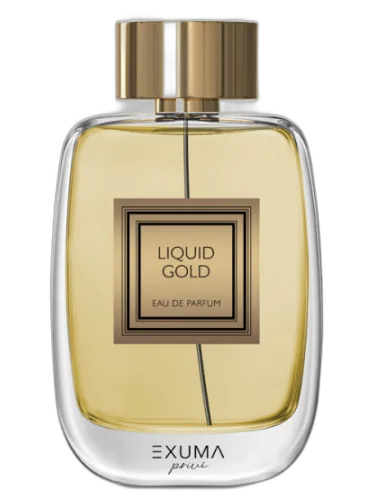
Exuma Parfums
Liquid Gold Exuma Parfums
Shared top notes: cinnamon, saffron
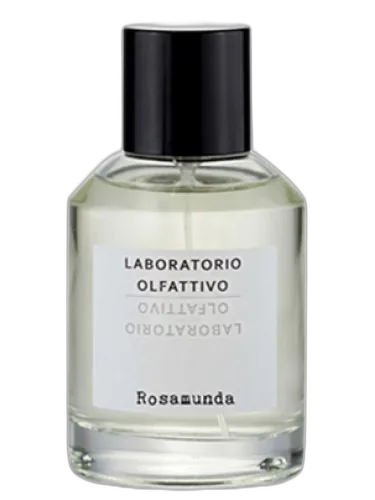
Laboratorio Olfattivo
Rosamunda Laboratorio Olfattivo
Shared top notes: saffron
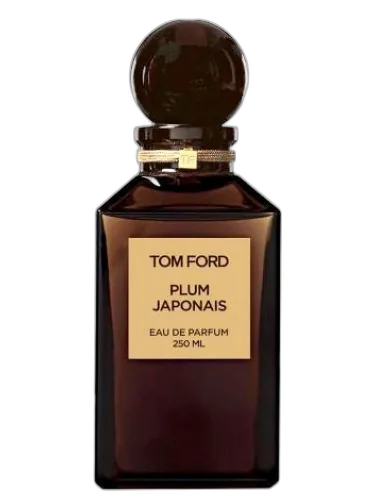
Tom Ford
Plum Japonais Tom Ford
Shared top notes: cinnamon, saffron

Carlo Colucci
Opulenza For Him Carlo Colucci
Shared top notes: cinnamon, saffron
Yili Olfactory Art
Witch 巫女 Yili Olfactory Art
Shared top notes: saffron