
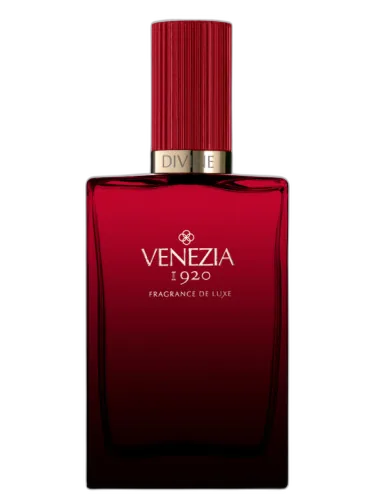

Divine Venezia 1920
At a glance
Is Divine Venezia 1920 worth trying?
Divine by Venezia 1920 is a Oriental Vanilla fragrance for women and men.
- Best match
- Evening, Special Occasion wear in Fall, Winter
- Performance feel
- Good longevity with Moderate sillage
- Signature profile
- citrus, woody, vanilla with Mandarin Orange, Bergamot, Ylang-Ylang
The first impression
Divine by Venezia 1920 is a Oriental Vanilla fragrance for women and men. Divine was launched in 2019. The nose behind this fragrance is Luca Gritti. Top notes are Mandarin Orange, Bergamot and Ylang-Ylang; middle notes are Sea Notes and Rose; base notes are Vanilla, Amber, Sandalwood and Moss.
What shapes the scent
The perfumer behind it

Luca Gritti
Luca Gritti is a perfumer who has created fragrances for the Choix brand, including Lumiere Du Desert and Oud Masira. He also composed Cherry Hook and Espresso Please for Gleam Perfume. Gritti's work often features gourmand and oriental accords. His portfolio spans both niche and commercial releases.
Notes pyramid
Top Notes
First impression · 15-30 min
 Mandarin Orange
 Bergamot
 Ylang-Ylang
Heart Notes
Core character · 2-4 hours
 Sea Notes
 Rose
Rose
Base Notes
Lasting impression · 4+ hours
 Vanilla
 Amber
Amber
 Sandalwood
Moss
Sandalwood
Moss
The mood it creates
The Mystic Archetype: Portrait of Divine Venezia 1920
Essence
The Mystic archetype is a seeker of hidden truths, a soul attuned to the unseen currents of the universe. Divine Venezia 1920 embodies this spirit with its opulent blend of citrus, sea notes, and a rich, amber-vanilla base. It is a scent that evokes the ancient, watery city of Venice, a place of mystery and timeless beauty.
This fragrance is a journey into the depths. The bright opening of mandarin and bergamot is like sunlight on the canals, while the ylang-ylang and rose add a floral, almost sacred quality. The sea notes bring a sense of the vast, unknowable ocean, and the base of vanilla, amber, sandalwood, and moss is a warm, earthy anchor. It is a scent of contemplation and revelation.
Style & Aesthetic
The Mystic's style is ethereal and timeless, a blend of the ancient and the modern. They favor flowing fabrics, deep jewel tones, and natural textures-a silk kimono, a velvet robe, a piece of raw crystal. Their aesthetic is one of quiet elegance, a reflection of their inner depth.
They are drawn to objects that hold a sense of history or spiritual significance: a vintage locket, a hand-carved statue, a worn tarot deck. Their personal style is a form of self-expression, a way of honoring the sacred in the everyday.
Philosophy & Values
The Mystic believes in the interconnectedness of all things. They value intuition, wisdom, and a deep respect for the natural world. Their philosophy is one of surrender and trust, a belief that there is a greater purpose at work.
They are guided by an inner knowing, a quiet voice that speaks of truths beyond the rational. They seek to understand the mysteries of life, finding meaning in symbols, dreams, and the cycles of nature.
Relationships
In relationships, the Mystic is a deep and intuitive partner. They are drawn to those who are also on a path of self-discovery, seeking connections that are soulful and transformative. They are excellent listeners, able to sense the unspoken needs of others.
Romantically, they are passionate and devoted, but they also need space for solitude and reflection. They seek a partner who respects their spiritual journey, someone who can share in the mystery without trying to solve it. Their love is a quiet, profound connection.
Lifestyle
The Mystic's lifestyle is one of ritual and reverence. They might be found in a quiet meditation space, a moonlit garden, or a library of ancient texts. Their home is a sanctuary of incense, candles, and sacred objects, a space designed for contemplation and peace.
Their daily rituals are acts of devotion: a morning meditation, a gratitude journal, a walk in nature at dusk. They find meaning in the cycles of the moon and the changing seasons, and they live in harmony with the rhythms of the earth.
Shadow
The Mystic's shadow is a tendency toward escapism and detachment. Their focus on the spiritual can lead them to neglect the practical realities of life. They may become lost in their inner world, avoiding the challenges of human connection.
At their worst, they can become dogmatic or superstitious, clinging to beliefs that isolate them from others. This shadow can manifest as a fear of the material world, a refusal to engage with the messy, imperfect nature of existence.
Conclusion
Divine Venezia 1920 is the scent of the Mystic who has found their center. It is a fragrance of depth and mystery, a reminder that the most profound truths are often hidden in plain sight. It is the aroma of a life lived in quiet reverence, a testament to the beauty of the unseen.
If you like this, try these
Fragrances with a comparable profile - shared accords, notes, and character.
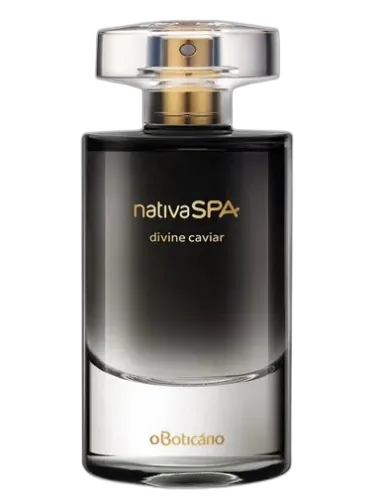
O Boticário
Divine Caviar O Boticário
Shared top notes: bergamot, mandarin orange

Porsche Design
Porsche Design Sport L’eau Porsche Design
Shared top notes: bergamot, mandarin orange

Dior
Midnight Poison Dior
Shared top notes: bergamot, mandarin orange
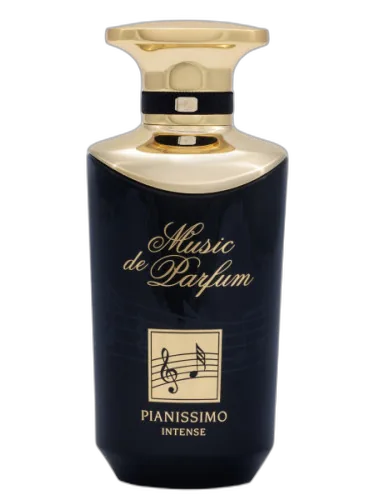
Music de Parfum
Pianissimo Music De Parfum
Shared top notes: bergamot, mandarin orange

Spirit
Spirit Of Sexy Moments Spirit
Shared top notes: bergamot, mandarin orange