
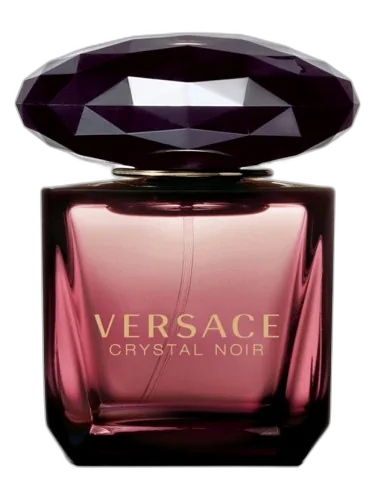

Crystal Noir Eau De Toilette Versace
At a glance
Is Crystal Noir Eau De Toilette Versace worth trying?
Crystal Noir Eau de Toilette by Versace is a Floral fragrance for women.
- Best match
- Evening wear in Fall
- Performance feel
- Good longevity with Moderate sillage
- Signature profile
- warm spicy, woody, powdery with Pepper, Cardamom, Ginger
The first impression
Crystal Noir Eau de Toilette by Versace is a Floral fragrance for women. Crystal Noir Eau de Toilette was launched in 2004. The nose behind this fragrance is Antoine Lie. Top notes are Pepper, Cardamom and Ginger; middle notes are Gardenia, Orange Blossom and Peony; base notes are Sandalwood, Musk and Amber.
What shapes the scent
The perfumer behind it

Antoine Lie
Antoine Lie is a French perfumer trained at Givaudan and known for his work with brands like Burberry and Avon. His style often blends bold contrasts, pairing fresh or woody accords with unexpected gourmand or metallic touches. He created the earthy, resinous Sequoia for Abbott New York City and the spicy, incense-laced Sword for CZAR, showcasing his skill with complex, atmospheric compositions.
Notes pyramid
Top Notes
First impression · 15-30 min
 Pepper
 Cardamom
 Ginger
Heart Notes
Core character · 2-4 hours
 Gardenia
 Orange Blossom
 Peony
Peony
Base Notes
Lasting impression · 4+ hours
 Sandalwood
 Musk
Musk
 Amber
Amber
The mood it creates
The Crystal Noir Devotee Archetype: Portrait of Crystal Noir Eau De Toilette Versace
Essence
The person who adores Crystal Noir Eau de Toilette by Versace is most closely aligned with the Femme Fatale archetype-a figure of magnetic allure, mystery, and controlled power. This is not the clichéd temptress of melodrama, but a modern embodiment of the archetype: a woman who understands the potency of presence, the art of suggestion, and the delicate balance between revelation and concealment.
She is neither passive nor overtly aggressive; her strength lies in her ability to command attention without demanding it. The Femme Fatale is a master of subtlety, and Crystal Noir-with its intoxicating blend of black pepper, gardenia, and sandalwood-mirrors her essence: darkly floral, enigmatic, and impossible to ignore.
Style & Aesthetic
Her wardrobe is an extension of her psyche-structured yet sensual, polished yet unpredictable. She favors sleek silhouettes, deep jewel tones, and fabrics that whisper rather than shout: silk that glides, leather that asserts, velvet that invites. She understands the power of contrast-a sharp blazer over a delicate blouse, a bold lip with an otherwise restrained palette.
Her home reflects the same duality: minimalist yet warm, with carefully curated objects that hint at depth rather than proclaim it. A single orchid in a black vase, an antique mirror that distorts just slightly, a bookshelf where Nietzsche sits beside Murakami-she surrounds herself with things that provoke thought, not just admiration.
She moves through the world with deliberate grace, savoring experiences that engage the senses: the first sip of a smoky whiskey, the weight of a well-bound book, the hush of a midnight city street. She is drawn to places that mirror her complexity-dimly lit jazz bars, art galleries at closing time, hidden gardens behind stone walls.
Her life is not one of excess, but of precision. She does not indulge recklessly; she selects, savors, and lets go when the moment has passed.
Philosophy & Values
She does not seek validation; she commands respect. Her philosophy is one of self-possession-a belief that true power comes from within, not from external conquest. She is drawn to thinkers who explore the complexities of human desire and autonomy: Bataille on eroticism, De Beauvoir on freedom, Jung on the shadow self.
Yet, her strength is also her vulnerability. The Femme Fatale must always be in control, lest she reveal the fragility beneath the façade. She values loyalty but is slow to trust, knowing that intimacy requires surrender-something she approaches with caution.
Relationships
In love, she is neither the pursuer nor the pursued, but the one who sets the rhythm. She attracts partners who are drawn to her aura of mystery, but few have the patience (or depth) to unravel it. She is selective with her affections, preferring intensity over convenience.
Her friendships are similarly curated-small in number but profound in connection. She has little tolerance for superficiality, yet her own guarded nature can make her seem aloof. Those who earn her trust find a fiercely loyal confidante, but they must accept that she will always retain an air of secrecy.
Shadow
The Femme Fatale’s greatest strength is also her flaw: her need for control can become a cage. She fears vulnerability, equating it with weakness, and thus risks emotional isolation. Her mystique, while alluring, can become a barrier to true intimacy.
At her worst, she may manipulate without remorse, using her charm as a weapon rather than a bridge. She must learn that power is not just in concealment, but in the courage to be seen-fully, imperfectly, humanly.
Conclusion
The woman who wears Crystal Noir is a paradox-both luminous and shadowed, inviting yet untouchable. She embodies the Femme Fatale not as a predator, but as a sovereign being who understands the weight of her own presence.
Her challenge-and her triumph-is to wield her power without becoming its prisoner. For in the end, the greatest seduction is not of others, but of the self: the willingness to embrace both the light and the dark within.
If you like this, try these
Fragrances with a comparable profile - shared accords, notes, and character.
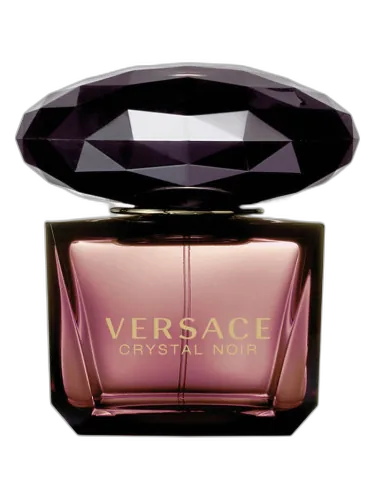
Versace
Crystal Noir Versace
Shared top notes: cardamom, ginger, pepper
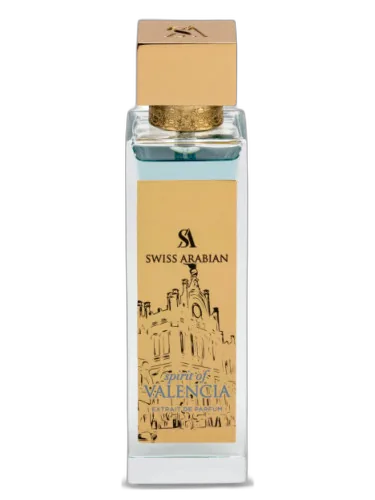
Swiss Arabian
Spirit Of Valencia Swiss Arabian
Shared heart notes: gardenia, peony
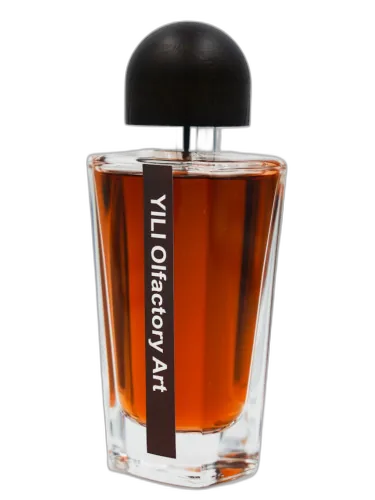
Yili Olfactory Art
Pimp 皮条客 Yili Olfactory Art
Shared top notes: pepper
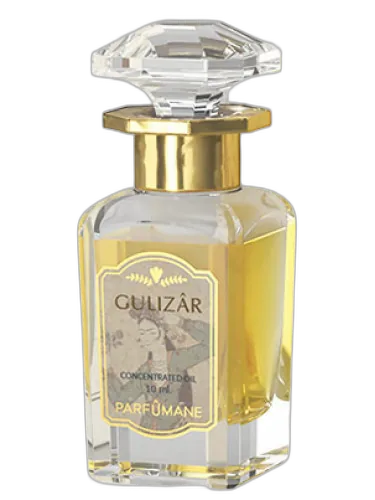
Parfumane
Gulizâr Parfumane
Shared top notes: pepper
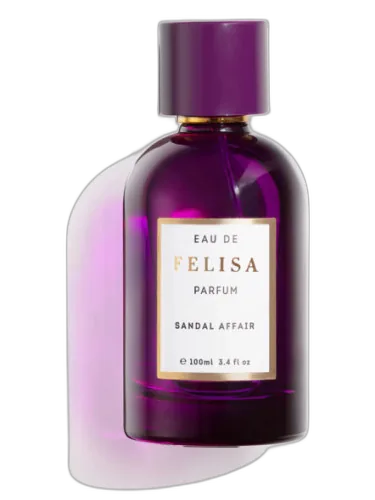
FELISA
Sandal Affair Felisa
Shared top notes: cardamom