
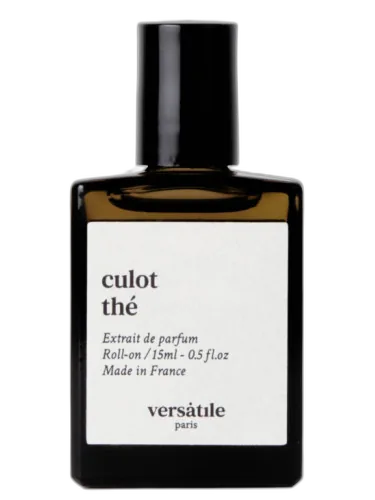
Culot Thé Versatile Paris
Fragrance Story
Culot Thé by Versatile Paris is a fragrance for women and men. This is a new fragrance. Culot Thé was launched in 2022. The nose behind this fragrance is Anne-Sophie Behaghel. Top notes are Bergamot, Mandora, Ginger, Pink Pepper and Aldehydes; middle notes are Tea, Black Tea, Jasmine, Wasabi, Garlic, Osmanthus, Buchu or Agathosma, Indole, Geranium, Hedione and Nutmeg; base notes are Musk, Amyris, Sesame, Woodsy Notes, Coumarin and Vetiver.
Composition Profile
About the Perfumer

Anne-Sophie Behaghel
Anne-Sophie Behaghel is a French perfumer known for her work with independent and niche fragrance houses. Her style often blends natural and synthetic elements to create bold, textural compositions with a modern edge. She has created distinctive scents for Adi Ale Van, including the floral-powdery Hai Hui Flower Power and the earthy Mioritic, as well as the mineral-driven Sel d'Argent for BDK Parfums. Her work continues to push boundaries in contemporary perfumery.
Fragrance Notes
Top Notes
First impression · 15-30 min
 Bergamot
 Mandora
 Ginger
 Pink Pepper
 Aldehydes
Heart Notes
Core character · 2-4 hours
 Tea
Tea
 Black Tea
 Jasmine
 Wasabi
 Garlic
 Osmanthus
 Buchu or Agathosma
 Indole
 Geranium
 Hedione
 Nutmeg
Base Notes
Lasting impression · 4+ hours
 Musk
Musk
 Amyris
 Sesame
Woodsy Notes
Sesame
Woodsy Notes
 Coumarin
 Vetiver
Character Profile
The Lover Archetype: Portrait of Culot Thé Versatile Paris
Essence
To wear Culot Thé by Versatile Paris is to embrace duality-the warmth of black tea, the spice of cardamom, the softness of vanilla. It is a fragrance that does not shout but lingers, revealing itself in layers. The person who chooses this scent is neither entirely hedonistic nor ascetic; they are an alchemist of experience, transforming the mundane into the exquisite. Their presence is measured, deliberate, yet never cold. They do not seek to dominate a room but to enchant it subtly, drawing others in with quiet magnetism.
Jung’s Alchemist is a seeker of transformation, one who blends intellect and sensuality, curiosity and refinement. This is not the Magician, who bends reality to their will, nor the Sage, who dissects truth with logic alone. The Alchemist is a weaver of impressions, a connoisseur of hidden harmonies. They are drawn to Culot Thé because it mirrors their own nature-complex, evolving, impossible to pin down.
They do not merely consume beauty; they refine it. A well-worn book, a perfectly brewed cup of tea, the texture of aged leather-these are not objects to them but experiences to be savored. They are not collectors but curators, shaping their world with an artist’s eye.
Philosophy & Values
They believe in the alchemy of time-that patience refines all things, whether a relationship, a skill, or a thought. They distrust haste, seeing it as the enemy of meaning. Their values are rooted in authenticity, but not in the simplistic modern sense; they understand that authenticity is often a slow revelation, not a static truth.
They are drawn to people who possess depth, who can converse about the absurdity of existence just as easily as the perfect way to roast coffee. Superficial charm repels them, though they are too polite to show it. They value loyalty but are slow to trust, preferring a few profound connections over many shallow ones.
Relationships
They do not love carelessly. Their affections are earned, not given freely, but once given, they are steadfast. Romantic partners must understand their need for solitude as much as their capacity for passion. They are not possessive but expect reciprocity-not in grand gestures, but in the quiet understanding of shared silences, the unspoken language of two people who have learned each other’s rhythms.
Friendships are similarly deliberate. They do not suffer fools, but for those they respect, they are fiercely present. They listen more than they speak, but when they do speak, their words carry weight.
Shadow
Yet the Alchemist is not without flaws. Their pursuit of depth can become exclusionary, a gatekeeping of experience. They may dismiss what is popular simply because it is common, mistaking obscurity for value. Their patience can curdle into indecision, their refinement into pretension.
At their worst, they become the Hermit, retreating into their curated world, mistaking solitude for wisdom. They may grow impatient with those who do not share their tastes, forgetting that not all beauty is deliberate. The very discernment that elevates them can isolate them.
Conclusion
Their tastes are eclectic but never haphazard. They might favor minimalist architecture yet fill their home with antique curiosities-a 19th-century inkwell, a handwoven Moroccan rug, a Japanese tetsubin. They read philosophy but also poetry, appreciating the weight of ideas as much as the music of language. Music is not background noise but an event; they listen to jazz for its improvisation, classical for its precision, and occasionally something raw and unpolished, just to feel the contrast.
Their style is understated but intentional. They prefer natural fabrics-linen, wool, silk-in muted tones, but with a single striking detail: an heirloom signet ring, a scarf in deep burgundy, shoes that have been resoled three times because they refuse to replace what still has life in it. They are not trend-driven but drawn to what endures.
Similar Fragrances
Fragrances with a comparable profile - shared accords, notes, and character.
Versatile Paris
Culot Thé Versatile Paris
Shared accords: aromatic, citrus, floral
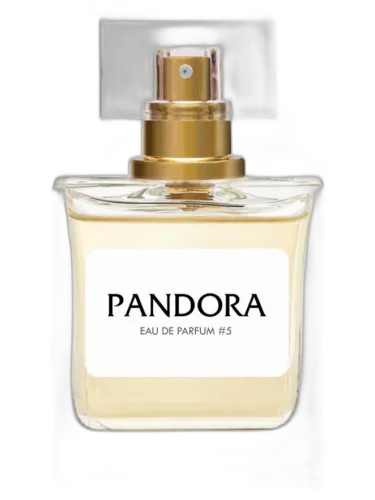
Pandora
Pandora #5 Pandora
Shared accords: aromatic, citrus, floral

Police
To Be Super (pure) Police
Shared accords: aromatic, citrus, floral
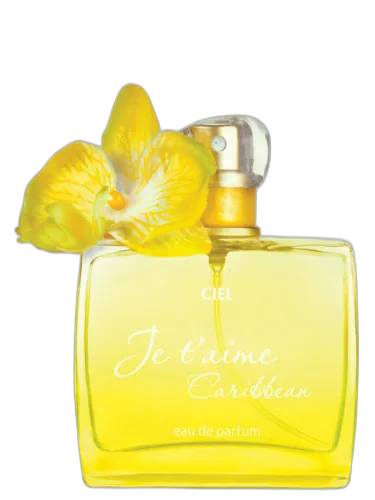
CIEL Parfum
Je T’aime Caribbean Ciel Parfum
Shared accords: aromatic, citrus, floral

Celine
Un Été Français Celine
Shared accords: aromatic, citrus, floral