

Yapana Volnay
At a glance
Is Yapana Volnay worth trying?
Yapana by Volnay is a Leather fragrance for women.
- Best match
- Evening wear in Fall
- Performance feel
- Very Good longevity with Moderate sillage
- Signature profile
- amber, powdery, warm spicy with Pink Pepper, Bergamot, Pink Grapefruit
The first impression
Yapana by Volnay is a Leather fragrance for women. Yapana was launched in 2013. The nose behind this fragrance is Amelie Bourgeois. Top notes are Pink Pepper, Bergamot and Pink Grapefruit; middle notes are Elemi resin, Powdery Notes, Vanilla, Cloves, Ylang-Ylang and Rose; base notes are Labdanum, Iris, Siam Benzoin, Vanilla, Patchouli and Rice.
What shapes the scent
The perfumer behind it

Amelie Bourgeois
Amelie Bourgeois is a French perfumer known for her work with the niche houses Aether and Alexandre.J. Her style blends experimental, synthetic accords with natural elements, often exploring contrasts like citrus and musk or rose and alkanes. She created the Aether Oxyde and Carboneum compositions, as well as Alexandre.J’s Mandarine Sultane and Passion Bliss.
Notes pyramid
Top Notes
First impression · 15-30 min
 Pink Pepper
 Bergamot
Pink Grapefruit
Bergamot
Pink Grapefruit
Heart Notes
Core character · 2-4 hours
Elemi resin
 Powdery Notes
 Vanilla
 Cloves
 Ylang-Ylang
 Rose
Rose
Base Notes
Lasting impression · 4+ hours
 Labdanum
 Iris
Siam Benzoin
Vanilla
Iris
Siam Benzoin
Vanilla
 Patchouli
 Rice
Rice
The mood it creates
The Sage Archetype: Portrait of Yapana Volnay
Essence
The person who favors Yapana Volnay is one who seeks not merely a fragrance but an experience-an olfactory meditation. This scent, with its blend of frankincense, myrrh, and smoky woods, evokes the sacred and the introspective. It is not for the restless or the frivolous; it is for the thinker, the seeker, the one who moves through life with quiet deliberation. Their dominant archetype is the Sage-the eternal student of life, driven by wisdom, clarity, and a hunger for understanding.
They are drawn to the interplay of light and shadow, both in scent and in thought. Yapana Volnay is complex, neither purely dark nor entirely luminous, much like their own mind. They do not shy away from paradox; they embrace it, turning contradictions into fuel for deeper inquiry.
Shadow
Yet wisdom, when unchecked, can become a prison. The Sage’s greatest strength-their intellect-can also be their greatest flaw. They risk becoming so enamored with their own insights that they dismiss the emotional, the irrational, the messy vitality of life. Their pursuit of understanding can turn into a retreat from feeling, leaving them isolated in their own mind.
There is also the danger of arrogance. The Sage, convinced of their own clarity, may grow impatient with those who do not share their perspective. They may mistake skepticism for wisdom, cynicism for depth. The very discernment that makes them insightful can harden into judgment, closing them off from the raw, unfiltered beauty of human imperfection.
The ideal Sage knows when to step out of the library and into the world. They recognize that wisdom without warmth is sterile, that knowledge untested by experience is mere theory. When balanced, they are guides, not just thinkers-mentors who illuminate without condescension, who question without destroying.
The lover of Yapana Volnay is, at their best, a quiet flame in the dark-steady, enduring, offering light without blinding. At their worst, they are a flame that burns alone, leaving only ash in its wake. Their challenge is to remain both wise and human, to let the fragrance of their intellect be softened by the warmth of their heart.
Conclusion
Their tastes are deliberate, almost ritualistic. They prefer the weight of well-bound books, the texture of aged paper, the quiet hum of a vinyl record playing something melancholic yet profound-perhaps Arvo Pärt or Erik Satie. Their home is a sanctuary of muted tones, where every object has been chosen for its resonance, not its trendiness. They wear clothes that speak of understatement-linen, wool, perhaps a hint of vintage tailoring-never ostentatious, always intentional.
Philosophy is not an abstract exercise for them; it is a lens through which they interpret existence. They may be drawn to Stoicism for its discipline, to Zen for its simplicity, or to Nietzsche himself for his unflinching confrontation with truth. They do not seek answers so much as they seek better questions.
In relationships, they are selective, valuing depth over breadth. They do not suffer fools gladly, though they are patient with those who demonstrate genuine curiosity. Their love is not effusive but steady, expressed in acts of thoughtfulness-a perfectly chosen book, a shared silence that needs no words.
If you like this, try these
Fragrances with a comparable profile - shared accords, notes, and character.
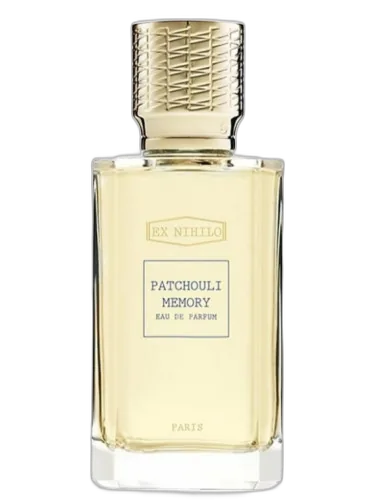
Ex Nihilo
Patchouli Memory Ex Nihilo
Shared top notes: bergamot, pink pepper
Al-Jazeera Perfumes
Welmeistershaft Al-jazeera Perfumes
Shared top notes: bergamot, pink pepper
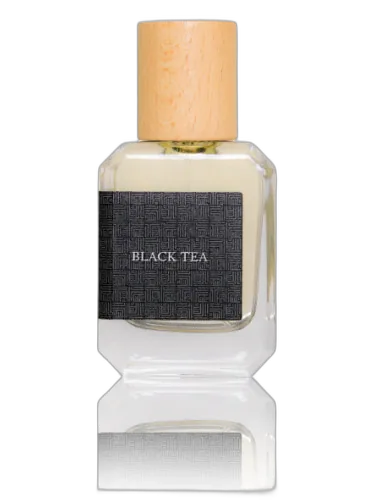
Proad
Black Tea Proad
Shared top notes: bergamot, pink pepper

Agent Provocateur
Lace Noir Agent Provocateur
Shared top notes: bergamot, pink pepper

Les Princes Du Golfe
Mint Tea Les Princes Du Golfe
Shared top notes: bergamot, pink pepper