


Weil Pour Homme (1980) Weil
At a glance
Is Weil Pour Homme (1980) Weil worth trying?
Weil Pour Homme (1980) by Weil is a Leather fragrance for men.
- Best match
- Evening wear in Fall
- Performance feel
- Good longevity with Moderate sillage
- Signature profile
- citrus, woody, aromatic with Lime, Aldehydes, Bergamot
The first impression
Weil Pour Homme (1980) by Weil is a Leather fragrance for men. Weil Pour Homme (1980) was launched in 1980. The nose behind this fragrance is François Robert. Top notes are Lime, Aldehydes, Bergamot, Petitgrain, Mugwort, Lavender, Rosemary and Lemon; middle notes are Basil, Jasmine, Carnation, Clary Sage and Geranium; base notes are Vetiver, Leather, Cedarwood, Labdanum, Moss and Tonka.
What shapes the scent
The perfumer behind it

François Robert
François Robert is a perfumer who has created fragrances for Bex London, Charlotte Tilbury, and Friedemodin. His work for Bex London includes a series of scents named after London postal codes, such as Londoner EC2 and SW1X, each capturing a distinct urban character. Robert also composed Scent of a Dream for Charlotte Tilbury and the floral Jardin Mystique for Friedemodin, showing a range from sophisticated cityscapes to romantic gardens.
Notes pyramid
Top Notes
First impression · 15-30 min
 Lime
Lime
 Aldehydes
 Bergamot
 Petitgrain
 Mugwort
 Lavender
 Rosemary
 Lemon
Lemon
Heart Notes
Core character · 2-4 hours
 Basil
Basil
 Jasmine
 Carnation
 Clary Sage
 Geranium
Base Notes
Lasting impression · 4+ hours
 Vetiver
 Leather
Cedarwood
Leather
Cedarwood
 Labdanum
Moss
Tonka
Labdanum
Moss
Tonka
The mood it creates
The Sage Archetype: Portrait of Weil Pour Homme (1980) Weil
Essence
Weil Pour Homme (1980) is not a fragrance for the frivolous. Its bold, leathery chypre structure-infused with bergamot, oakmoss, and a whisper of animalic warmth-speaks of a man who values depth over trend, substance over spectacle. This is the scent of the Sage, the Jungian archetype of wisdom, introspection, and quiet authority. The Sage does not seek approval; he observes, analyzes, and distills life into principles. He is drawn to complexity but disdains unnecessary ornamentation.
Style & Aesthetic
He is a creature of ritual. His mornings are slow, deliberate-black coffee, a few pages of Camus or Borges, the deliberate application of Weil Pour Homme. He does not rush; time is a construct he has learned to bend. He may live in a city but prefers its quieter corners-a book-lined apartment in Montmartre, a brownstone in Brooklyn, a cottage on the outskirts of Oxford.
He travels, but not for Instagram. He goes to walk the streets of Lisbon at dawn, to sit in a Viennese café with a newspaper in a language he barely understands, to feel the weight of history without the burden of explaining it.
Philosophy & Values
This man is a thinker, though not necessarily an academic. He may be a writer, a historian, a scientist, or simply a man who has lived long enough to see patterns in human behavior. His philosophy is rooted in stoicism and skepticism-he believes in reason but knows its limits. He values truth, autonomy, and intellectual rigor, yet he is not dogmatic. He has little patience for ideology, preferring the slow burn of contemplation to the heat of blind conviction.
His tastes reflect this. He prefers well-worn leather-bound books over bestsellers, jazz or classical music over pop, and dark, understated tailoring over flashy fashion. His home is likely filled with artifacts of a life examined-antique maps, a well-curated record collection, a pipe he no longer smokes but keeps for the ritual of holding it.
Relationships
The Sage is not a social butterfly, but neither is he a hermit. He cherishes a small circle of trusted companions, often those who can match his wit or challenge his ideas. He is drawn to people who have lived deeply-artists, war veterans, scholars-those who have earned their scars. His romantic relationships are intense but demanding; he seeks a partner who is both muse and equal, someone who can engage him intellectually without needing constant reassurance.
Yet, his shadow looms here. His detachment can border on coldness. He may withdraw when emotions run high, retreating into his mind as a fortress. Those who love him sometimes feel like supplicants at the gates of an ancient library-welcome, but only if they speak the right language.
Shadow
Every Sage risks becoming a Cynic. When wisdom hardens into jaded superiority, the man who once sought truth now dismisses anything that doesn’t meet his exacting standards. He may scoff at youthful enthusiasm, mistaking passion for naivety. His wit, once sharp, can turn cutting. His independence, once noble, may become isolation.
The challenge for him is to remember that wisdom without warmth is just another kind of ignorance. The oakmoss in his fragrance will fade, but the best parts of him-the curiosity, the depth-should not.
Conclusion
Weil Pour Homme is not a fragrance for those who wish to be noticed. It is for those who already know who they are. The man who wears it does not need to declare his intelligence; it lingers in the air like the ghost of a well-argued point. He is both admirable and flawed-a thinker who must guard against his own tendency to overthink, a solitary soul who must sometimes remind himself to step into the light.
In the end, he is like his scent: complex, enduring, and best appreciated by those who take the time to understand him.
If you like this, try these
Fragrances with a comparable profile - shared accords, notes, and character.
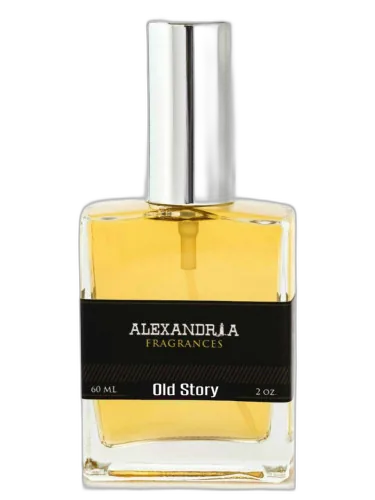
Alexandria Fragrances
Old Story Alexandria Fragrances
Shared top notes: lavender, petitgrain, rosemary
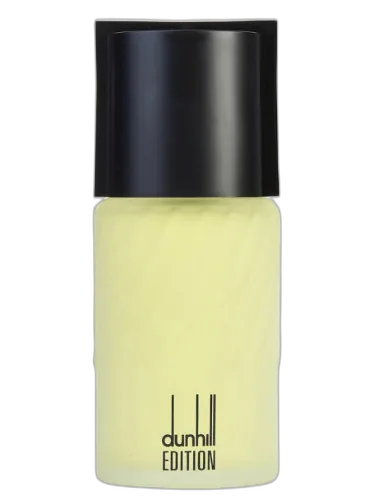
Alfred Dunhill
Dunhill Edition Alfred Dunhill
Shared top notes: bergamot, lavender
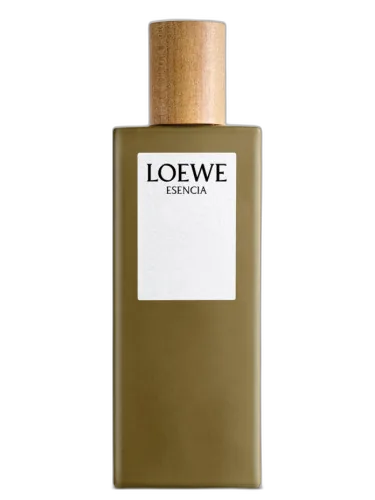
Loewe
Esencia Pour Homme Loewe
Shared top notes: bergamot, lavender, lemon
Lubin
Vetiris Lubin
Shared top notes: bergamot, lemon, lime
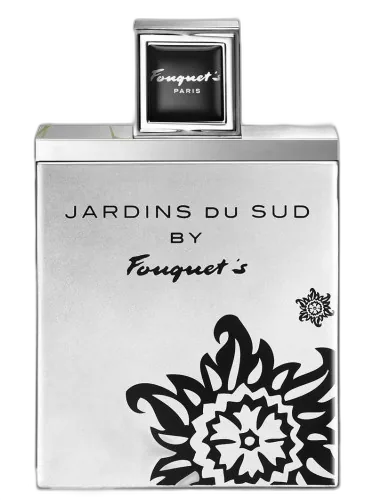
Fouquet's
Jardins Du Sud Fouquet's
Shared top notes: bergamot, lemon, petitgrain