


Weil Pour Homme Weil
At a glance
Is Weil Pour Homme Weil worth trying?
Weil Pour Homme by Weil is a Aromatic Fougere fragrance for men.
- Best match
- Office wear in Spring, Fall
- Performance feel
- Good longevity with Moderate sillage
- Signature profile
- fresh spicy, aromatic, woody with Bay Leaf, Thyme, Pineapple
The first impression
Weil Pour Homme by Weil is a Aromatic Fougere fragrance for men. Weil Pour Homme was launched in 2004. The nose behind this fragrance is Bertrand Duchaufour. Top notes are Bay Leaf, Thyme, Pineapple and Bergamot; middle notes are Lavender, Wormwood, Nutmeg, Basil and Jasmine; base notes are Oakmoss, Leather, Patchouli, Vetiver, French labdanum, Musk, Precious Woods and Sandalwood.
What shapes the scent
The perfumer behind it

Bertrand Duchaufour
Bertrand Duchaufour is a renowned French perfumer with a prolific career spanning many brands. He has created fragrances for Acqua di Parma, including Blu Mediterraneo - Cipresso Di Toscana and Colonia Assoluta, as well as for Aedes de Venustas, such as Café Tabac and Copal Azur. His style is known for its complexity and use of natural ingredients.
Notes pyramid
Top Notes
First impression · 15-30 min
 Bay Leaf
 Thyme
Thyme
 Pineapple
 Bergamot
Heart Notes
Core character · 2-4 hours
 Lavender
 Wormwood
 Nutmeg
 Basil
Basil
 Jasmine
Base Notes
Lasting impression · 4+ hours
 Oakmoss
 Leather
 Patchouli
 Vetiver
French labdanum
Vetiver
French labdanum
 Musk
Precious Woods
Musk
Precious Woods
 Sandalwood
The mood it creates
The Sage Archetype: Portrait of Weil Pour Homme Weil
Essence
The man who favors Weil Pour Homme Weil is most closely aligned with the Sage-a seeker of truth, wisdom, and refinement. This fragrance, with its complex blend of citrus, spice, and woody depth, mirrors his intellectual and aesthetic sensibilities. Like the Sage, he values knowledge, discernment, and the quiet power of understatement. Yet, as with all archetypes, his wisdom has its shadow-detachment, skepticism, and a tendency to overanalyze.
Style & Aesthetic
His world is one of deliberate choices. He prefers the weight of a well-bound book to the flicker of a screen, the texture of aged leather to the sterility of modern minimalism. His wardrobe is curated-dark wool, crisp linen, perhaps a vintage watch-each piece selected not for trend but for timelessness. He does not chase fashion; he embodies an enduring style, one that whispers rather than shouts.
Philosophy is not an abstract pursuit for him but a lived experience. He reads Nietzsche not to impress but to understand the weight of existence. Stoicism appeals to him-not as a rigid doctrine, but as a means of mastering the self. He values reason, yet he knows its limits; there is a quiet melancholy in his awareness that not everything can be solved by intellect alone.
He thrives in environments that reward patience and depth-a dimly lit library, a secluded garden, a quiet café where the coffee is strong and the conversations stronger. He may be a writer, a professor, or a collector of rare artifacts, but whatever his vocation, it is imbued with purpose.
He is not immune to indulgence, but his pleasures are measured. A fine whiskey, a well-composed symphony, the scent of leather and tobacco-these are his luxuries. Excess repels him; he seeks not sensation, but sensation refined into meaning.
Relationships
He is not a man of many friends, but those he keeps are bound by mutual respect and shared depth. Superficial charm repels him; he seeks conversations that linger into the night, where ideas are dissected with the precision of a surgeon. Romantic partners must match his intensity-not in passion alone, but in thought. He is drawn to those who challenge him, who refuse to be mere reflections of his own mind.
Yet, his relationships suffer from his analytical nature. Love, for him, is often a puzzle to solve rather than an emotion to surrender to. He can be distant, retreating into his mind when emotions grow too turbulent. His partners may accuse him of coldness, though he would argue he feels deeply-just in silence.
Shadow
His greatest flaw is his skepticism, which can curdle into cynicism. When wisdom hardens into dogma, he dismisses what he cannot immediately comprehend. He scoffs at sentimentality, sometimes mistaking genuine emotion for weakness. His intellect, which should liberate him, can become a cage-one he builds himself, brick by logical brick.
There is also a quiet arrogance, subtle but undeniable. He believes himself above the trivialities that consume others, yet this very belief isolates him. The Sage must remember that wisdom without humility is merely vanity in disguise.
Conclusion
The man who wears Weil Pour Homme Weil is a thinker, a seeker, a man who values the weight of silence as much as the power of words. His strength is his mind; his weakness, the tyranny of it. To live fully, he must learn that wisdom is not just in knowing, but in feeling-not just in thought, but in presence. The Sage, at his best, does not merely observe life; he engages with it, fully and without reservation.
If you like this, try these
Fragrances with a comparable profile - shared accords, notes, and character.
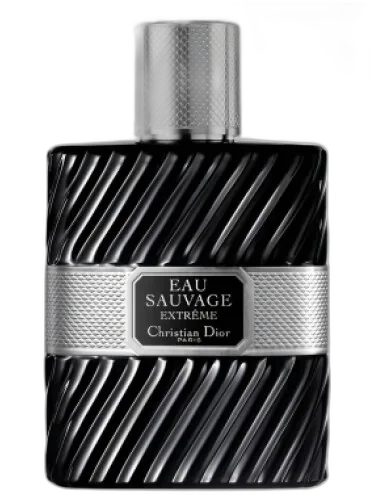
Dior
Eau Sauvage Extreme 2010 Dior
Shared top notes: bergamot
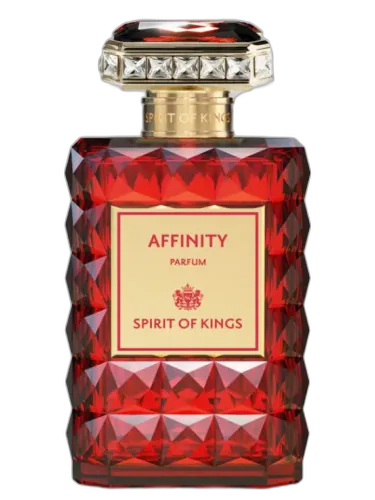
Spirit Of Kings
Affinity Spirit Of Kings
Shared top notes: bergamot
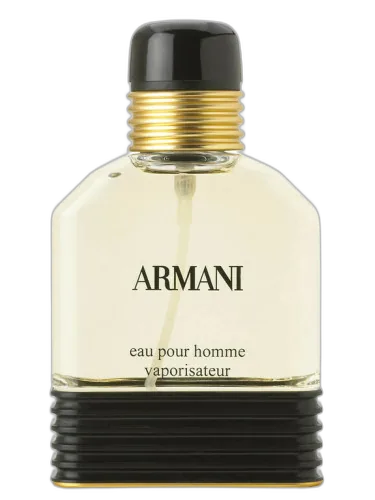
Giorgio Armani
Armani Eau Pour Homme Giorgio Armani
Shared top notes: bergamot
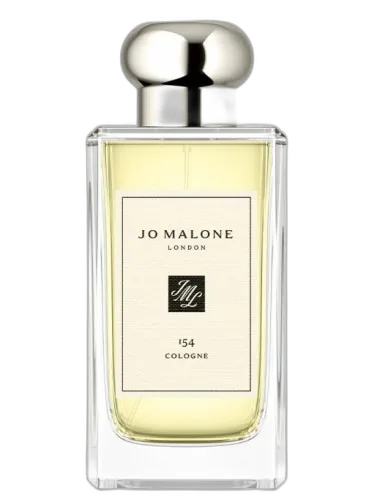
Jo Malone London
154 Cologne Jo Malone London
Shared top notes: bergamot
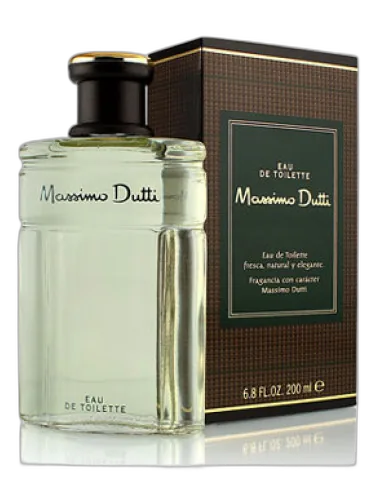
Massimo Dutti
Massimo Dutti Massimo Dutti
Shared top notes: bergamot