

Up In The Air Wide Society
At a glance
Is Up In The Air Wide Society worth trying?
Up in the Air by Wide Society is a Leather fragrance for women and men.
- Best match
- Evening wear in Fall
- Performance feel
- Very Good longevity with Strong sillage
- Signature profile
- leather, rum, sweet with Rum, Saffron, Plum
The first impression
Up in the Air by Wide Society is a Leather fragrance for women and men. Up in the Air was launched in 2018. The nose behind this fragrance is Alexandra Monet. Top notes are Rum and Saffron; middle notes are Plum, Rose and Artemisia; base notes are Leather, Tobacco, Birch, Vanilla, Ambrette (Musk Mallow), Orris, Styrax and Red Chilli Pepper.
What shapes the scent
The perfumer behind it

Alexandra Monet
Alexandra Monet is a French perfumer known for her work with major houses including 4711, Anthropologie, and Astier de Villatte. Her style often blends fresh, fruity, and floral notes with unexpected accents, as seen in the bright, green 4711 Acqua Colonia Bamboo & Watermelon and the spicy-sweet White Peach & Coriander. She also created the refined floral of 4711 Noble Rose and the warm, modern Vibrant Musk, demonstrating a versatility that spans both classic colognes and contemporary compositions.
Notes pyramid
Top Notes
First impression · 15-30 min
 Rum
Rum
 Saffron
Heart Notes
Core character · 2-4 hours
 Plum
Plum
 Rose
Rose
 Artemisia
Base Notes
Lasting impression · 4+ hours
 Leather
 Tobacco
 Birch
Birch
 Vanilla
 Ambrette (Musk Mallow)
Orris
Ambrette (Musk Mallow)
Orris
 Styrax
Red Chilli Pepper
Styrax
Red Chilli Pepper
The mood it creates
The Wanderer Archetype: Portrait of Up In The Air Wide Society
Essence
This person is an embodiment of the Explorer archetype-a seeker of freedom, novelty, and uncharted experiences. The fragrance Up In The Air Wide Society is their olfactory manifesto: light, expansive, and untethered. Like Icarus drawn to the sun, they are pulled toward the horizon, not out of recklessness, but out of an insatiable curiosity for what lies beyond the known. Their spirit is restless, their mind fluid, and their presence carries the quiet confidence of someone who has learned to trust the wind.
Style & Aesthetic
Their wardrobe is a study in versatility-neutral tones with unexpected accents, fabrics that breathe, and cuts that allow for movement. They favor minimalist elegance but are not afraid of bold, fleeting statements. Their home, if they have one, is more of a waystation than a fortress: uncluttered, filled with objects collected from travels, each holding a story rather than mere sentimental value. They prefer open spaces, large windows, and the absence of heavy, oppressive decor.
Philosophy & Values
To them, life is not a fixed destination but a continuous unfolding. They reject stagnation as a kind of spiritual death, preferring instead the exhilaration of movement-whether physical, intellectual, or emotional. Their philosophy is one of dynamic equilibrium: they do not seek permanence, but rather the ability to adapt, shift, and reimagine themselves as circumstances demand. They may quote Rilke: "You must change your life," not as a command, but as a natural law.
Autonomy is sacred to them. They see rules not as constraints to rebel against, but as unnecessary fences in an already vast world. They value authenticity over conformity, experience over security, and curiosity over dogma. Their moral compass is self-defined, guided by an internal sense of integrity rather than external validation.
Relationships
They are magnetic in social settings-charming without effort, engaging without obligation. People are drawn to their lightness, their ability to make even mundane interactions feel like an adventure. Yet, their relationships often exist in a delicate balance. They love deeply but resist confinement; they cherish connection but fear the weight of expectation. Their partners and friends must understand that their love is not measured in permanence, but in the intensity and sincerity of the moments shared.
Shadow
Yet, their greatest strength is also their deepest vulnerability. Their refusal to be anchored can, at times, become a form of evasion. When faced with emotional depth that demands commitment, they may retreat into the next journey, the next distraction. Their avoidance of roots can leave them feeling paradoxically isolated, even amid a life rich with encounters. They may mistake motion for growth, confusing the accumulation of experiences with true transformation.
Conclusion
The challenge for this individual is not to abandon their love of the open sky, but to learn when to land. To recognize that true freedom is not the absence of ties, but the ability to choose which ones are worth keeping. If they can integrate the wisdom of stillness without sacrificing their essence, they become not just a wanderer, but a sage of movement-one who understands that the horizon is infinite, but so is the depth of a single moment fully lived.
They are not running away. They are searching. And perhaps, in time, they will realize that what they seek is not always beyond-but sometimes, within.
If you like this, try these
Fragrances with a comparable profile - shared accords, notes, and character.

Madamirma
Irma Oud Madamirma
Shared top notes: rum, saffron
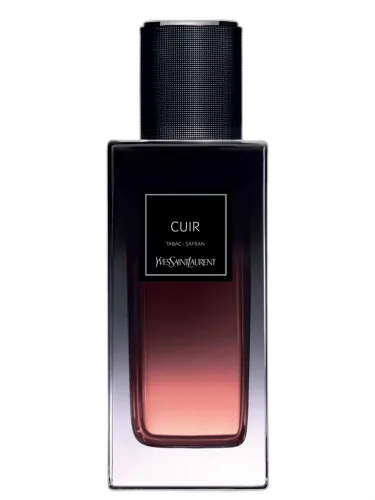
Yves Saint Laurent
Cuir Yves Saint Laurent
Shared top notes: rum, saffron
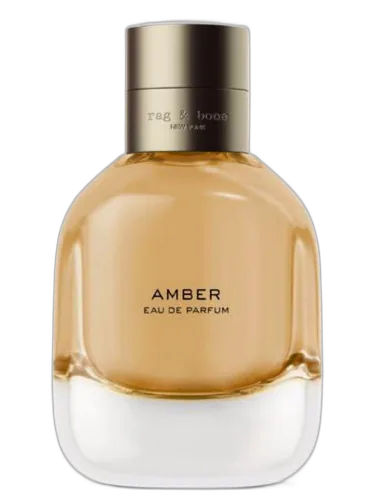
Rag & Bone
Amber Rag & Bone
Shared top notes: rum, saffron
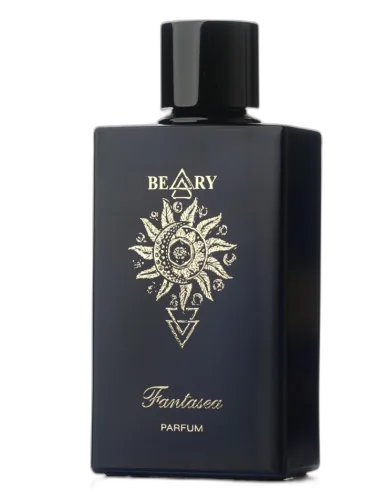
Beary
Fantasea Beary
Shared top notes: saffron
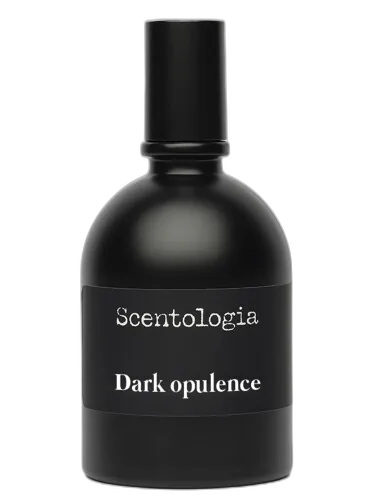
Scentologia
Dark Opulence Scentologia
Shared top notes: rum, saffron