


Garage Wild Drops Parfums
At a glance
Is Garage Wild Drops Parfums worth trying?
Garage by Wild Drops Parfums is a Leather fragrance for women and men.
- Best match
- Evening wear in Fall
- Performance feel
- Very Good longevity with Strong sillage
- Signature profile
- plastic, hot iron, leather with Metallic notes, Cognac, Black Tea
The first impression
Garage by Wild Drops Parfums is a Leather fragrance for women and men. Garage was launched in 2019. The nose behind this fragrance is Anna Nikishina. Top notes are Metallic notes, Cognac and Black Tea; middle notes are Hot iron, Plastic, Suede, Tobacco, Cedar, Woody Notes and Pine Tree; base notes are Gasoline, Rubber, Birch Tar, Leather, White Oud, Cedar and Amber.
What shapes the scent
The perfumer behind it

Anna Nikishina
Anna Nikishina is a perfumer known for her work with Wild Drops Parfums, where she creates fragrances that often explore natural and atmospheric themes. Her style blends earthy, woody, and gourmand elements, as seen in creations like Autumn Forest 5 and Caramel Forest, which evoke layered woodland scents. She also experiments with contrasting notes, such as the dark, tea-infused Bloody Tea and the fresh, green Chlorophyll, showcasing her versatility within nature-inspired compositions.
Notes pyramid
Top Notes
First impression · 15-30 min
 Metallic notes
 Cognac
Black Tea
Cognac
Black Tea
Heart Notes
Core character · 2-4 hours
Hot iron
 Plastic
 Suede
Suede
 Tobacco
 Cedar
Cedar
 Woody Notes
 Pine Tree
Base Notes
Lasting impression · 4+ hours
 Gasoline
 Rubber
 Birch Tar
 Leather
 White Oud
Cedar
White Oud
Cedar
 Amber
Amber
The mood it creates
The Alchemist Archetype: Portrait of Garage Wild Drops Parfums
Essence
The person who gravitates toward Garage Wild Drops Parfums is an Alchemist-a seeker of transformation, a rebel against the mundane, and a curator of the unconventional. This fragrance, with its raw, metallic, and industrial notes, speaks to someone who finds beauty in the unrefined, who thrives in the tension between chaos and control. The Alchemist does not merely wear a scent; they embody an experiment, a defiance of traditional elegance in favor of something more volatile, more alive.
Philosophy & Values
They value authenticity, but not in the clichéd sense of "being true to oneself." For them, authenticity means embracing contradictions, allowing oneself to be both fierce and fragile, polished and raw. They despise performative sincerity, preferring those who wear their complexities openly.
In relationships, they are magnetic but elusive. They draw people in with their intensity, their refusal to conform, but they struggle with permanence. Commitment feels like stagnation to them, and they may unconsciously sabotage stability in favor of novelty. Their lovers and friends often find themselves exhilarated but exhausted, caught in the whirlwind of their constant evolution.
Shadow
The Alchemist’s greatest strength-their ability to transform-is also their greatest weakness. In their relentless pursuit of the new, they risk becoming unmoored, a collection of shifting masks with no core. Their shadow is the Trickster, the aspect of the archetype that delights in disruption for its own sake, leaving chaos in its wake.
They may grow impatient with those who cannot keep up with their changes, dismissing them as "boring" or "static." Their disdain for convention can curdle into cynicism, making them dismissive of traditions that others find meaningful. And their love of the unconventional can, at times, become a pose-an affectation rather than a genuine expression of self.
Conclusion
Their tastes are eclectic, drawn to the unfinished, the hybrid, the things that refuse easy categorization. In music, they might favor post-punk or industrial-genres that embrace dissonance as art. In fashion, they mix vintage leather with futuristic synthetics, creating a look that is neither nostalgic nor purely avant-garde but something in between. They are the kind of person who collects odd trinkets-rusted gears, dried botanicals, fragments of old machinery-and arranges them on their desk like relics of a personal mythology.
Philosophically, they reject dogma. They believe in reinvention, in the fluidity of identity. To them, life is not about finding oneself but creating oneself, over and over. This can make them exhilarating company-always pushing boundaries, always questioning-but it can also make them restless, never fully satisfied, always chasing the next transformation before the last one has settled.
If you like this, try these
Fragrances with a comparable profile - shared accords, notes, and character.
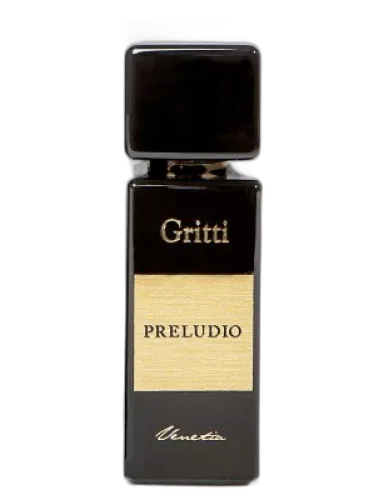
Gritti
Preludio Gritti
Shared heart notes: pine tree, tobacco, woody notes
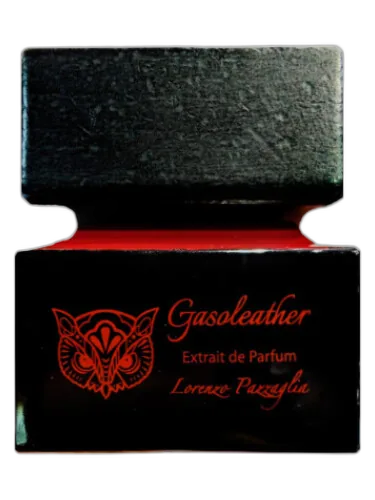
Lorenzo Pazzaglia
Gasoleather Lorenzo Pazzaglia
Shared top notes: metallic notes
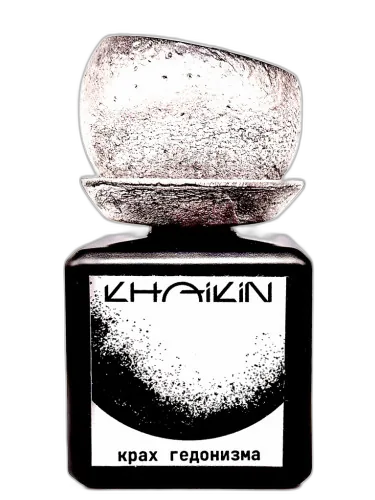
Khaikin
Collapse Of Hedonism — Крах Гедонизма Khaikin
Shared top notes: cognac, metallic notes
URBIS PARFUMS
Vienna Urbis Parfums
Shared top notes: cognac
Nosegasm
Tobacco Rose Nosegasm
Shared base notes: amber, birch tar, leather