


Wilhelm Ii Wilhelm Perfume
At a glance
Is Wilhelm Ii Wilhelm Perfume worth trying?
Wilhelm II by Wilhelm Perfume is a Aromatic fragrance for women and men.
- Best match
- Evening wear in Fall
- Performance feel
- Very Good longevity with Strong sillage
- Signature profile
- woody, fresh spicy, aromatic with Lavender, Oregano, Violet Leaf
The first impression
Wilhelm II by Wilhelm Perfume is a Aromatic fragrance for women and men. Wilhelm II was launched in 2012. The nose behind this fragrance is Andreas Wilhelm. Top notes are Lavender, Oregano and Violet Leaf; middle notes are Nutmeg, Petitgrain and Cedar; base notes are Black Amber, Exotic Woods and Moss.
What shapes the scent
The perfumer behind it

Andreas Wilhelm
Andreas Wilhelm is a perfumer known for his work with independent and niche fragrance houses. His style often balances bold, contrasting elements with refined clarity, as seen in the structured compositions of the Favorit & Co series and the intense presence of Gisada Ambassador Men. He creates scents that feel both modern and grounded, favoring clean lines and unexpected material pairings.
Notes pyramid
Top Notes
First impression · 15-30 min
 Lavender
 Oregano
 Violet Leaf
Heart Notes
Core character · 2-4 hours
 Nutmeg
 Petitgrain
 Cedar
Cedar
Base Notes
Lasting impression · 4+ hours
 Black Amber
Exotic Woods
Moss
Black Amber
Exotic Woods
Moss
The mood it creates
The Sovereign Archetype: Portrait of Wilhelm Ii Wilhelm Perfume
Essence
To wear Wilhelm II by Wilhelm Perfume is to embrace an aura of authority, tradition, and a quiet, almost archaic grandeur. This fragrance-opulent, structured, and steeped in history-speaks to a personality that thrives on order, legacy, and the weight of personal sovereignty. The individual who favors this scent is not one to dissolve into the crowd; they are drawn to the idea of being a ruler of their own domain, whether that be in career, intellect, or personal philosophy.
Style & Aesthetic
Their tastes reflect a preference for the enduring over the ephemeral. In fashion, they favor tailored garments-structured blazers, polished leather shoes, perhaps a pocket watch or a signet ring. Their home is likely curated with intention: dark woods, antique furniture, shelves lined with history books or classical literature. They do not chase trends but instead cultivate a personal aesthetic that feels timeless.
Music and art follow a similar pattern-they appreciate the masters, whether Bach or Wagner, Caravaggio or Klimt. There is a reverence for craftsmanship, for things made to last. Even in modern indulgences, they prefer the well-constructed over the disposable.
Their daily life is a reflection of their inner order. Mornings are rituals: black coffee, a carefully planned schedule, perhaps a walk in solitude. They thrive in roles that demand authority-executives, historians, military officers, or even artists who see their craft as a form of rule. Leisure is never idle; even relaxation has purpose-chess, classical concerts, or long discussions on philosophy.
But this discipline has a cost. They may struggle with spontaneity, viewing unstructured time as wasted. Their relentless self-control can make them seem cold, even to themselves. The shadow of the Sovereign is a life so carefully governed that joy is sometimes sacrificed at the altar of dignity.
Philosophy & Values
They believe in the importance of meaning-not in the abstract, but in the lived. Their philosophy is often a blend of stoicism and romanticism: they endure hardship with dignity but also believe in the nobility of certain ideals. Honor, discipline, and self-mastery are not just words to them but guiding principles.
Yet, this can lead to a certain moral inflexibility. They may struggle to accept perspectives that challenge their worldview, seeing dissent as disorder rather than evolution. Their respect for tradition can make them resistant to change, even when it is necessary.
Relationships
In relationships, they are loyal but demanding. They expect those close to them to meet certain standards-not out of cruelty, but because they believe excellence is a shared duty. Their love is often protective, even paternalistic; they see themselves as guardians of those they care for.
Yet, this can manifest as control. Partners or friends may feel stifled by their expectations, their unspoken rules. They may mistake obedience for loyalty, and their pride can make apologies rare. Still, those who earn their trust find a steadfast ally-one who will defend them fiercely, if sometimes possessively.
Conclusion
At their core, this person embodies the Sovereign-an archetype rooted in leadership, control, and the preservation of tradition. Like kings and queens of old, they see themselves as architects of their fate, valuing discipline, dignity, and a sense of duty. Yet, this is not mere arrogance; their authority is often self-imposed, a way of structuring a world they find chaotic. They do not merely seek power for its own sake, but rather a sense of rightness-a life that aligns with their principles.
Yet, as with all archetypes, the Sovereign has a shadow. When unbalanced, they may become rigid, domineering, or overly concerned with appearances. Their need for control can curdle into intolerance for dissent, and their love of tradition may blind them to necessary change.
If you like this, try these
Fragrances with a comparable profile - shared accords, notes, and character.
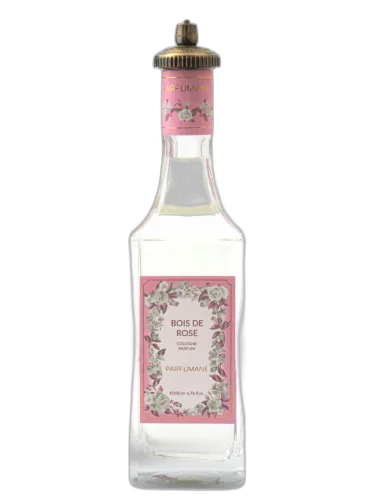
Parfumane
Bois De Rose Parfumane
Shared heart notes: cedar, nutmeg, petitgrain
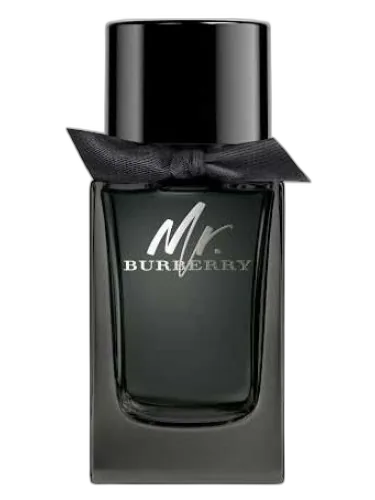
Burberry
Mr. Burberry Eau De Parfum Burberry
Shared heart notes: cedar, nutmeg
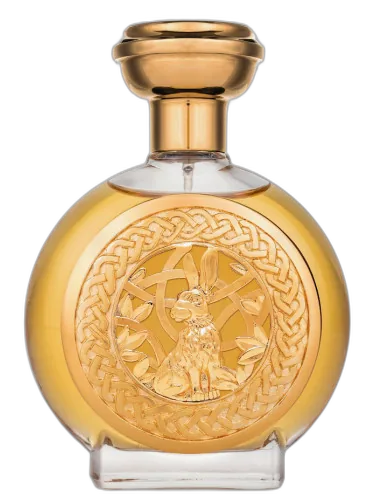
Boadicea the Victorious
Hasu Boadicea The Victorious
Shared top notes: lavender, violet leaf
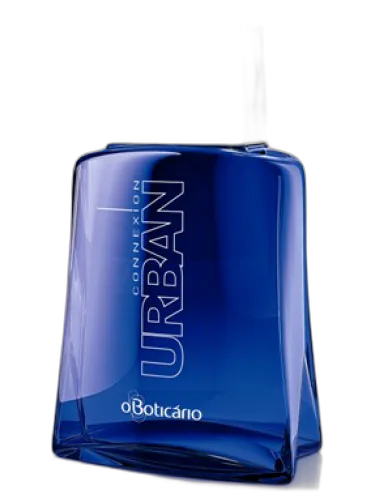
O Boticário
Connexion Urban O Boticário
Shared top notes: lavender
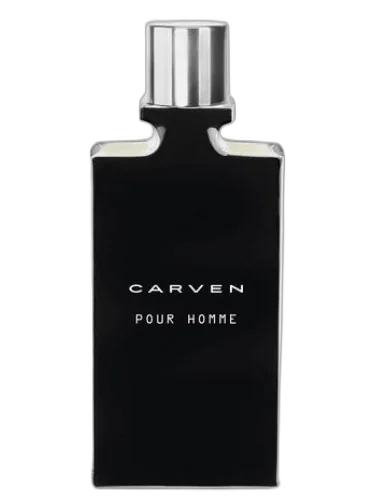
Carven
Carven Pour Homme Carven
Shared top notes: violet leaf