
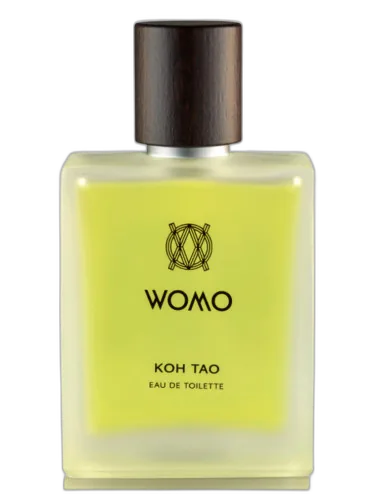

Koh Tao Womo
At a glance
Is Koh Tao Womo worth trying?
Koh Tao by Womo is a Chypre fragrance for men.
- Best match
- Casual wear in Summer
- Performance feel
- Good longevity with Moderate sillage
- Signature profile
- green, woody, fresh with Bamboo, Palm Leaf, Banana Leaf
The first impression
Koh Tao by Womo is a Chypre fragrance for men. Top notes are Bamboo, Palm Leaf, Banana Leaf, Ginger and Coriander; middle notes are Black and Pink Pepper, Mace and Cardamom; base notes are Agave, Vetiver, Tea Leaf and Cedar.
What shapes the scent
The perfumer behind it

Unknown Perfumer
Notes pyramid
Top Notes
First impression · 15-30 min
 Bamboo
 Palm Leaf
 Banana Leaf
 Ginger
 Coriander
Heart Notes
Core character · 2-4 hours
 Black and Pink Pepper
 Mace
Mace
 Cardamom
Base Notes
Lasting impression · 4+ hours
 Agave
Agave
 Vetiver
Tea Leaf
Vetiver
Tea Leaf
 Cedar
Cedar
The mood it creates
The Wanderer Archetype: Portrait of Koh Tao Womo
Essence
To wear Koh Tao Womo is to carry the scent of salt-kissed skin, sun-warmed driftwood, and the faintest whisper of coconut oil lingering from a beach long left behind. This fragrance speaks of horizons, not destinations-of movement without urgency. The person who chooses it is not bound by the rigid structures of home but is instead drawn to the liminal spaces where land meets sea, where one identity dissolves into another. They are the Wanderer, an archetype defined by curiosity, freedom, and an unquenchable thirst for the unknown.
Shadow
Yet the Wanderer’s strength is also their flaw. Their freedom can become rootlessness, their adaptability a refusal to commit. The shadow of this archetype is the fear of stagnation-so potent that they may mistake stillness for death. They leave before they can be left, love without fully surrendering, and in doing so, they sometimes miss the deeper currents of life.
There is a quiet melancholy beneath their sunlit exterior. They have seen too much to be naive, yet they are not quite jaded. They know that every new place eventually becomes familiar, every adventure routine. The true challenge for them is not in finding the next horizon but in learning to stay-even if just for a while-without feeling trapped.
Conclusion
The Wanderer’s life is a series of departures. They are not running away-though others may mistake it for escape-but rather toward something unseen, something just beyond the next bend in the road. Their tastes are eclectic, shaped by the places they’ve passed through: a handwoven scarf from Morocco, a tarnished silver ring bought in Bangkok, a dog-eared copy of The Sailor Who Fell from Grace with the Sea tucked into a backpack. Their style is effortless, sun-bleached, and slightly disheveled, as if they are always halfway between one place and the next.
Philosophy is not an abstract exercise for them but a lived experience. They believe in the impermanence of things, in the wisdom of letting go. Their values are fluid-loyalty is to the moment, to the people who cross their path, not to institutions or expectations. They are not reckless, but they refuse to be caged. Relationships are deep but transient; they love fiercely but know that all connections, like tides, must eventually recede.
If you like this, try these
Fragrances with a comparable profile - shared accords, notes, and character.

Voskanian Parfums
Ecce Homo Voskanian Parfums
Shared top notes: coriander
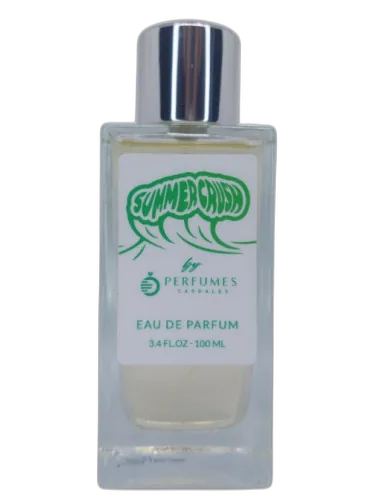
Perfumes Cardales
Summer Crush Perfumes Cardales
Shared top notes: ginger
Mazhu Kozhu (Мажу Кожу)
Woody Freshness (древесная Свежесть) Mazhu Kozhu (мажу Кожу)
Shared heart notes: cardamom
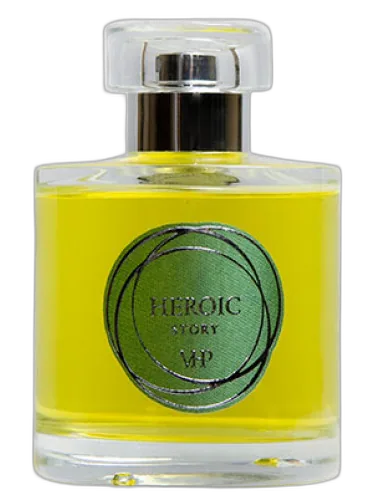
Vines House Parfum
Heroic Story Vines House Parfum
Shared heart notes: cardamom

Jil Sander
Strictly Jil Sander Jil Sander
Shared heart notes: cardamom