
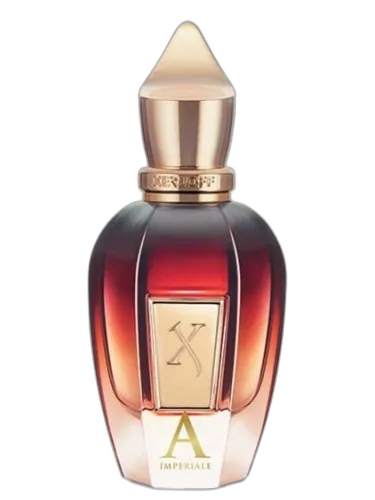

Alexandria Imperiale Xerjoff
At a glance
Is Alexandria Imperiale Xerjoff worth trying?
Alexandria Imperiale by Xerjoff is a Oriental fragrance for women and men.
- Best match
- Evening wear in Winter
- Performance feel
- Excellent longevity with Strong sillage
- Signature profile
- woody, oud, animalic with Lavender, Cardamom, Rose
The first impression
Alexandria Imperiale by Xerjoff is a Oriental fragrance for women and men. Alexandria Imperiale was launched in 2017. The nose behind this fragrance is Chris Maurice. Top notes are Lavender, Cardamom and Rose; middle notes are Orris, Marjoram, Woody Notes, Leather, Cypriol Oil or Nagarmotha, Cedar and Sage; base notes are Cambodian Oud, Laotian Oud, Agarwood (Oud), Indian Oud, Sandalwood, Musk, Amber and Vanilla.
What shapes the scent
The perfumer behind it

Chris Maurice
Chris Maurice is a perfumer with a wide-ranging portfolio that includes work for Aqualis, Artal Perfumes, Assaf, Astrophil & Stella, Azman, and Bey Parfum. His creations include Egoli, Forbidden Rose, Darley, Love Is Lost, Moonage Daydream, Riad Jasmine, Song For A Wanderer, and Abyssoria. His style varies from floral and romantic to dark and mysterious.
Notes pyramid
Top Notes
First impression · 15-30 min
 Lavender
 Cardamom
 Rose
Rose
Heart Notes
Core character · 2-4 hours
 Orris
Orris
 Marjoram
 Woody Notes
 Leather
 Cypriol Oil or Nagarmotha
 Cedar
Cedar
 Sage
Sage
Base Notes
Lasting impression · 4+ hours
 Cambodian Oud
 Laotian Oud
 Agarwood (Oud)
 Indian Oud
 Sandalwood
 Musk
Musk
 Amber
Amber
 Vanilla
The mood it creates
The Alchemist Archetype: Portrait of Alexandria Imperiale Xerjoff
Essence
The person who cherishes Alexandria Imperiale by Xerjoff is most closely aligned with the Ruler archetype-a figure who commands presence, exudes authority, and seeks mastery over their domain. This fragrance, with its opulent blend of amber, vanilla, spices, and citrus, evokes the grandeur of ancient empires, suggesting a personality that thrives on control, refinement, and a sense of legacy. The Ruler is not merely about dominance but about stewardship-curating beauty, order, and excellence in their world.
Yet, like all archetypes, the Ruler has a shadow. When unbalanced, they may slip into tyranny-demanding perfection, resisting vulnerability, or becoming overly rigid in their expectations. The warmth of Alexandria Imperiale suggests that this person tempers their authority with charisma, but the question remains: do they rule with wisdom or with an iron fist?
Shadow
Yet power isolates. The more they ascend, the fewer true peers they have. Their exacting standards can alienate those who cannot meet them, and their reluctance to show weakness may leave them lonely at the summit. They may mistake control for security, refusing to surrender even when it would heal them.
At worst, they become despots of their own making-impatient with dissent, dismissive of "lesser" minds, and trapped in the gilded cage of their own reputation. The very spices that make Alexandria Imperiale so intoxicating can, in excess, overwhelm.
Conclusion
Their tastes are deliberate, never accidental. They favor the timeless over the fleeting-tailored suits, heirloom watches, dark wood furnishings, and art that whispers of history rather than screaming of trends. Their home is a sanctuary of controlled elegance, where every object serves a purpose, either functional or symbolic. They might collect rare books, vintage wines, or antique maps-not for mere possession, but for the narrative these objects carry.
Philosophically, they believe in merit, discipline, and the power of tradition. They are not reactionaries, but they distrust reckless change. Progress, to them, must be earned, not stumbled upon. They admire those who build empires-whether in business, art, or thought-and they measure their own life in milestones of influence.
If you like this, try these
Fragrances with a comparable profile - shared accords, notes, and character.
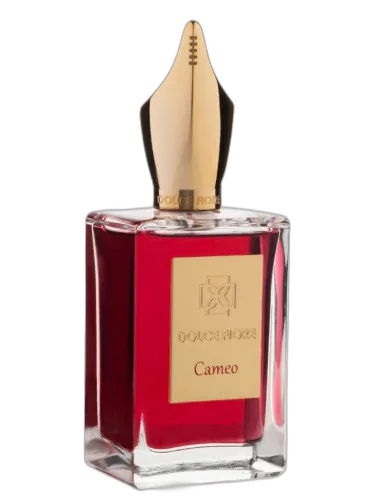
Dolce Fiore
Cameo Dolce Fiore
Shared top notes: cardamom, rose
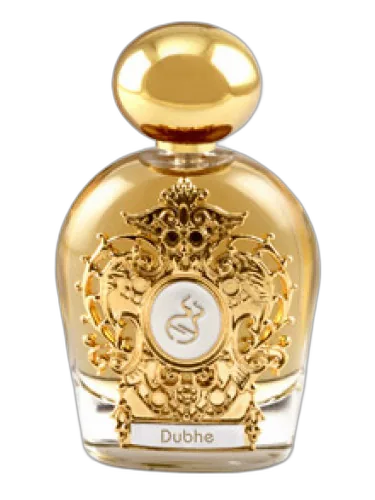
Tiziana Terenzi
Dubhe Assoluto Tiziana Terenzi
Shared top notes: rose
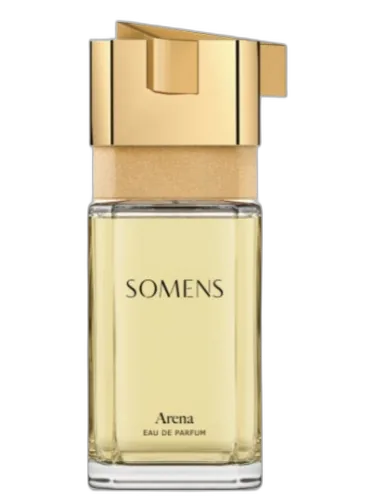
Somens
Arena Somens
Shared top notes: cardamom, rose
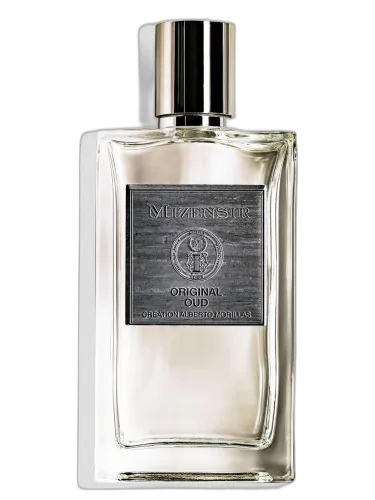
Mizensir
Original Oud Mizensir
Shared top notes: cardamom
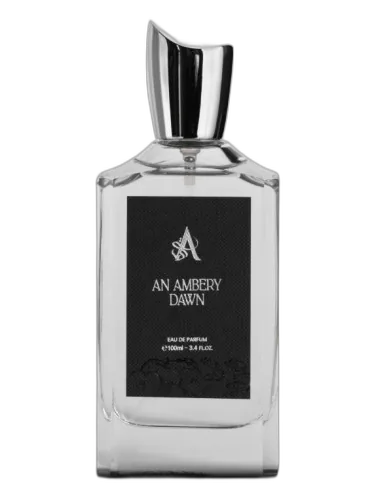
Artal Perfumes
An Ambery Dawn Artal Perfumes
Shared top notes: cardamom