


Torino Xerjoff
At a glance
Is Torino Xerjoff worth trying?
Torino by Xerjoff is a Woody fragrance for women and men.
- Best match
- Casual wear in Spring
- Performance feel
- Moderate longevity with Moderate sillage
- Signature profile
- woody, fresh spicy, citrus with Brazilian Orange, Black Pepper, Neroli
The first impression
Torino by Xerjoff is a Woody fragrance for women and men. Torino was launched in 2020. The nose behind this fragrance is Chris Maurice. Top note is Brazilian Orange; middle notes are Black Pepper and Neroli; base notes are Guaiac Wood, Bourbon Vanilla, Haitian Vetiver and Caramel.
What shapes the scent
The perfumer behind it

Chris Maurice
Chris Maurice is a perfumer with a wide-ranging portfolio that includes work for Aqualis, Artal Perfumes, Assaf, Astrophil & Stella, Azman, and Bey Parfum. His creations include Egoli, Forbidden Rose, Darley, Love Is Lost, Moonage Daydream, Riad Jasmine, Song For A Wanderer, and Abyssoria. His style varies from floral and romantic to dark and mysterious.
Notes pyramid
Top Notes
First impression · 15-30 min
Brazilian Orange
Heart Notes
Core character · 2-4 hours
Black Pepper
 Neroli
Base Notes
Lasting impression · 4+ hours
 Guaiac Wood
Bourbon Vanilla
Haitian Vetiver
Guaiac Wood
Bourbon Vanilla
Haitian Vetiver
 Caramel
The mood it creates
The Sage Archetype: Portrait of Torino Xerjoff
Essence
To wear Torino Xerjoff is to embrace a paradox-a fragrance that is at once fresh and profound, citrus-bright yet shadowed with depth. The person who chooses this scent is not merely seeking a pleasant aroma; they are drawn to its intellectual elegance, its balance of clarity and complexity. This individual is, above all, a Sage-an archetype defined by wisdom, curiosity, and a relentless pursuit of truth.
They are the kind of person who reads philosophy not for prestige but because they genuinely hunger for understanding. Their mind is a finely tuned instrument, sharpened by skepticism yet open to wonder. They do not accept dogma easily; they dissect, question, and refine their beliefs with the precision of a scholar. Their presence is not loud, but it is magnetic-people sense that they carry insights worth hearing.
Style & Aesthetic
Their aesthetic is understated but deliberate. They favor tailored minimalism-clean lines, muted colors, fabrics that whisper rather than shout. A well-cut blazer, a perfectly balanced watch, shoes that suggest both comfort and restraint. Their home is curated, not cluttered: shelves lined with books, a single piece of abstract art that invites contemplation, perhaps a vintage record player spinning jazz or classical compositions.
They appreciate the finer things but disdain ostentation. A rare bottle of wine is not for display but for savoring with a close friend in deep conversation. Their taste in food leans toward the refined yet unpretentious-a perfectly seared steak, a bitter dark chocolate, an espresso pulled just right. They despise waste, whether of time, resources, or words.
Their days are structured but not rigid. They rise early, valuing the quiet hours for reading or reflection. They may practice meditation or journaling, not as trends but as tools for clarity. They exercise not for vanity but for discipline-yoga, swimming, or long walks that double as thinking time.
Professionally, they thrive in fields that reward insight-academia, writing, consulting, or the arts. They are not driven by wealth but by mastery. They despise corporate platitudes and office politics, preferring environments where ideas matter more than hierarchy.
Philosophy & Values
Truth is their guiding star, though they know it is often elusive. They are drawn to thinkers like Nietzsche, Camus, or Marcus Aurelius-those who wrestle with existence without flinching. They believe in the power of reason but acknowledge its limits; they are not coldly rational but deeply introspective.
Their values are rooted in autonomy, intellectual honesty, and the courage to face uncomfortable realities. They have little patience for willful ignorance or blind faith. Yet, they are not cynical-they simply demand rigor in thought and action. They respect those who can argue well, even in disagreement, and despise those who argue poorly, even if they share the same conclusions.
Relationships
They do not collect friends; they cultivate them. Their inner circle is small but fiercely loyal. They are not the life of the party, but in intimate settings, they shine-listening intently, offering insights that cut to the core of a matter. They attract those who crave depth, but they repel the superficial.
Romantically, they seek a partner who is both an equal and a counterbalance-someone who can match their intellect but soften their edges. They are not prone to grand romantic gestures, but their love is steady, built on mutual respect and shared curiosity. They struggle with vulnerability, often retreating into analysis when emotions run high.
Shadow
Yet, wisdom has its pitfalls. Their greatest strength-their relentless intellect-can become a prison. They may overanalyze emotions, mistaking detachment for enlightenment. Their skepticism, if unchecked, can harden into arrogance, dismissing what they do not yet understand.
They risk becoming the "ivory tower" thinker, so absorbed in abstraction that they forget to live. Relationships may suffer if they intellectualize love rather than feel it. Their pursuit of truth can become isolating, leaving them stranded in their own mind.
Conclusion
The true Sage knows that knowledge is not an end but a journey. The lover of Torino Xerjoff must remember that life is not only to be understood but also to be lived-fully, messily, beautifully. When they balance their razor-sharp mind with an open heart, they become not just a thinker but a guide-one who illuminates without blinding, who questions without destroying.
They are, in the end, a seeker-never fully satisfied, always evolving. And perhaps that is the greatest wisdom of all.
If you like this, try these
Fragrances with a comparable profile - shared accords, notes, and character.
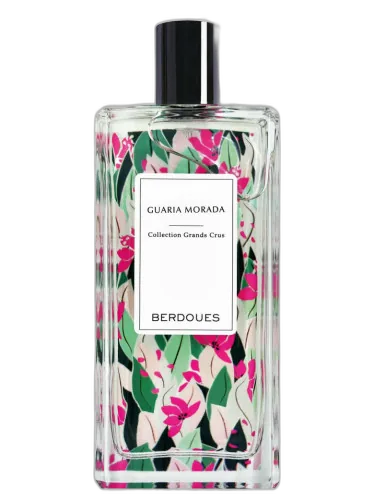
Parfums Berdoues
Guaria Morada Parfums Berdoues
Shared top notes: brazilian orange

Oriflame
Giordani Gold Man Eau De Parfum Oriflame
Shared heart notes: black pepper, neroli
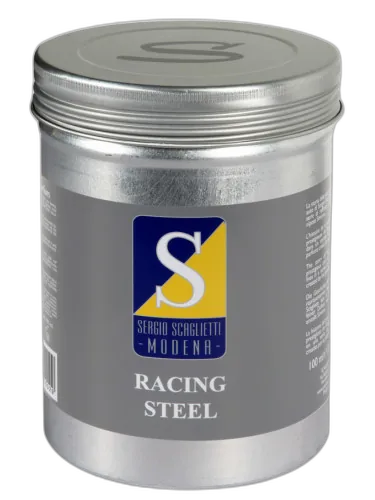
Sergio Scaglietti
Racing Steel Sergio Scaglietti
Shared top notes: brazilian orange

Davidoff
Cool Water Aquaman Collector Davidoff
Shared heart notes: black pepper
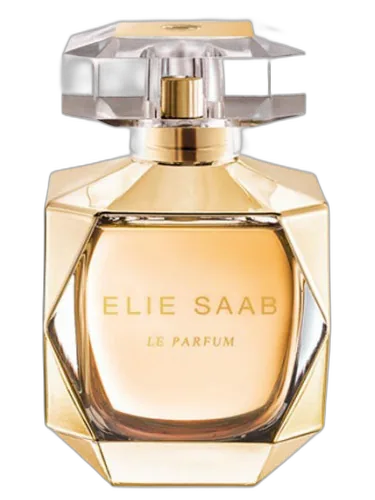
Elie Saab
Le Parfum Eclat D'or Elie Saab
Shared top notes: brazilian orange