


Wardasina Xerjoff
At a glance
Is Wardasina Xerjoff worth trying?
Wardasina by Xerjoff is a Oriental Floral fragrance for women and men.
- Best match
- Evening wear in Fall, Winter
- Performance feel
- Very Good longevity with Strong sillage
- Signature profile
- tobacco, rose, warm spicy with Green Notes, Bulgarian Rose, Saffron
The first impression
Wardasina by Xerjoff is a Oriental Floral fragrance for women and men. Wardasina was launched in 2019. The nose behind this fragrance is Chris Maurice. Top note is Green Notes; middle notes are Bulgarian Rose, Saffron, Patchouli and Cedar; base notes are Tobacco, Musk and Vanilla.
What shapes the scent
The perfumer behind it

Chris Maurice
Chris Maurice is a perfumer with a wide-ranging portfolio that includes work for Aqualis, Artal Perfumes, Assaf, Astrophil & Stella, Azman, and Bey Parfum. His creations include Egoli, Forbidden Rose, Darley, Love Is Lost, Moonage Daydream, Riad Jasmine, Song For A Wanderer, and Abyssoria. His style varies from floral and romantic to dark and mysterious.
Notes pyramid
Top Notes
First impression · 15-30 min
 Green Notes
Heart Notes
Core character · 2-4 hours
Bulgarian Rose
 Saffron
 Patchouli
 Cedar
Cedar
Base Notes
Lasting impression · 4+ hours
 Tobacco
 Musk
Musk
 Vanilla
The mood it creates
The Wardasina Xerjoff Devotee Archetype: Portrait of Wardasina Xerjoff
Essence
The one who chooses Wardasina by Xerjoff is ruled by the Sovereign archetype-a figure of cultivated power, refined taste, and unshakable self-assurance. This fragrance, with its lush rose, saffron, and oud, is not merely worn but commanded. It is the olfactory equivalent of a throne room: opulent, imposing, yet meticulously balanced. The Sovereign does not seek dominance for its own sake but embodies an innate authority, a gravitational pull that others either admire or resent.
Shadow
Yet sovereignty has its price. Their unwavering self-assurance can harden into arrogance, their discernment into disdain. They may mistake their preferences for universal truths, dismissing those who lack their refinement as unworthy of consideration. The very magnetism that draws people in can become isolating-few dare to challenge them, and so they risk surrounding themselves with sycophants rather than equals.
Beneath the regal exterior, there is a vulnerability they seldom acknowledge: the fear of irrelevance. The Sovereign’s identity is built upon being exceptional, and the thought of fading into obscurity is a quiet terror. This can manifest as a subtle ruthlessness, an unwillingness to relinquish control even when it would serve them to do so.
Conclusion
Their world is one of deliberate elegance. They do not chase trends but set them, surrounding themselves with objects and experiences that reflect their exacting standards. Their home is a sanctuary of textures-velvet drapes, aged leather, polished wood-each piece chosen for its timeless resonance rather than fleeting appeal. They favor tailored clothing, not for ostentation but as an extension of their self-possession.
Philosophically, they believe in the alchemy of self-creation. Life, to them, is not something to be endured but sculpted. They are drawn to Nietzsche’s concept of amor fati-the love of fate-but with a crucial distinction: they do not merely accept their destiny; they refine it. Their values revolve around autonomy, discernment, and the quiet assertion of excellence.
If you like this, try these
Fragrances with a comparable profile - shared accords, notes, and character.
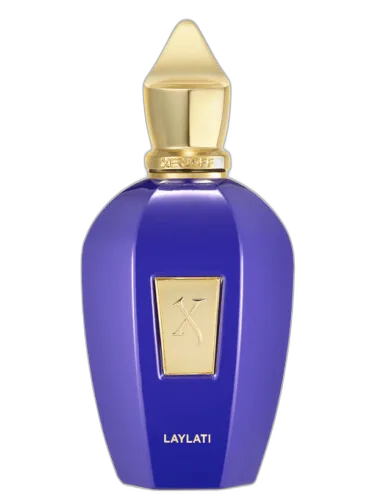
Xerjoff
Laylati Xerjoff
Shared top notes: green notes
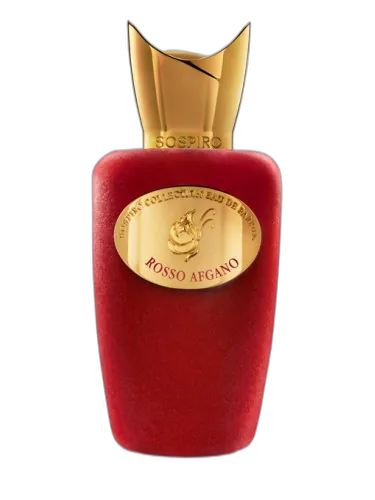
Sospiro Perfumes
Rosso Afgano Sospiro Perfumes
Shared heart notes: cedar, patchouli
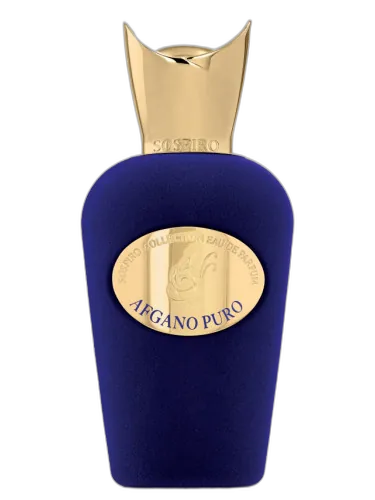
Sospiro Perfumes
Afgano Puro Sospiro Perfumes
Shared heart notes: cedar, patchouli
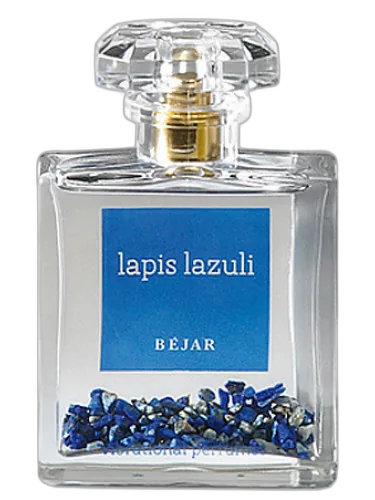
Bejar
Lapis Lazuli Bejar
Shared top notes: green notes
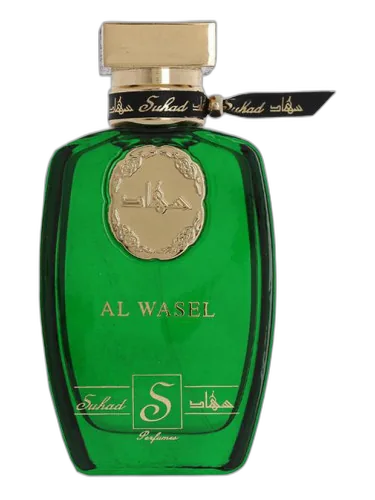
Suhad Perfumes
Al Wasel Suhad Perfumes
Shared heart notes: cedar, patchouli