


Zafar Xerjoff
At a glance
Is Zafar Xerjoff worth trying?
Zafar by Xerjoff is a Oriental Woody fragrance for women and men.
- Best match
- Evening, Special Occasion wear in Fall, Winter
- Performance feel
- Very Good longevity with Strong sillage
- Signature profile
- oud, fresh spicy, woody with Agarwood (Oud), Musk, Cedar
The first impression
Zafar by Xerjoff is a Oriental Woody fragrance for women and men. Zafar was launched in 2012. The nose behind this fragrance is Chris Maurice.
What shapes the scent
The perfumer behind it

Chris Maurice
Chris Maurice is a perfumer with a wide-ranging portfolio that includes work for Aqualis, Artal Perfumes, Assaf, Astrophil & Stella, Azman, and Bey Parfum. His creations include Egoli, Forbidden Rose, Darley, Love Is Lost, Moonage Daydream, Riad Jasmine, Song For A Wanderer, and Abyssoria. His style varies from floral and romantic to dark and mysterious.
Notes pyramid
All Notes
Complete scent profile
 Agarwood (Oud)
 Musk
Musk
 Cedar
Cedar
 Pepper
 Incense
Green Apple
Incense
Green Apple
 Vetiver
 Rose
Rose
 White Flowers
 Neroli
The mood it creates
The Sage Archetype: Portrait of Zafar Xerjoff
Essence
To wear Zafar by Xerjoff is to embody the Sage-an archetype of wisdom, discernment, and quiet authority. This is not the loud philosopher who debates in public squares, but the one who observes from the periphery, absorbing the world before speaking. The Sage seeks truth, not for applause, but for the clarity it brings. They are drawn to the refined, the intricate, the layered-just as Zafar unfolds with its spices, woods, and resins, revealing depth with time.
This person is not merely intelligent; they are discerning. They know that wisdom is not just accumulation but distillation-the ability to separate noise from meaning. Their presence is not domineering but magnetic, drawing others in with the gravity of their thought.
Shadow
Yet, no archetype is without its shadow. The Sage’s greatest flaw is emotional detachment. Their pursuit of wisdom can become a fortress, keeping vulnerability at bay. They may rationalize their way out of feelings, dismissing passion as irrationality. At times, they withdraw into their own mind, leaving others feeling unseen.
Another danger is intellectual arrogance. Having honed their discernment, they may grow impatient with those who do not meet their standards. Their dry wit can turn cutting; their silence, condescending. They must guard against the belief that wisdom grants superiority-for true knowledge humbles as much as it elevates.
The Sage who wears Zafar is neither saint nor cynic. They walk the line between engagement and solitude, between clarity and compassion. Their challenge is to let wisdom soften rather than harden them-to use their discernment not as a weapon but as a bridge.
In the end, they are like their fragrance: complex, enduring, and impossible to ignore once truly understood.
Conclusion
Their tastes are deliberate, almost ritualistic. They prefer quality over quantity, whether in books, clothing, or relationships. Their wardrobe leans toward timeless elegance-tailored fabrics, muted tones with occasional rich accents, much like Zafar’s interplay of saffron and oud. They might collect rare books, vintage watches, or art that carries history in its strokes.
Their philosophy is rooted in stoicism and curiosity. They believe in mastering their own mind before attempting to influence the world. Yet, unlike the hermit, they do not retreat entirely-they engage, but on their terms. Conversations with them are not small talk; they are exchanges of ideas, often laced with dry wit.
In relationships, they are loyal but selective. They do not surround themselves with many, but those they keep are held in high regard. Their love is not effusive but steady, expressed through acts of insight and quiet support. They are the confidant who listens deeply and responds with precision.
If you like this, try these
Fragrances with a comparable profile - shared accords, notes, and character.
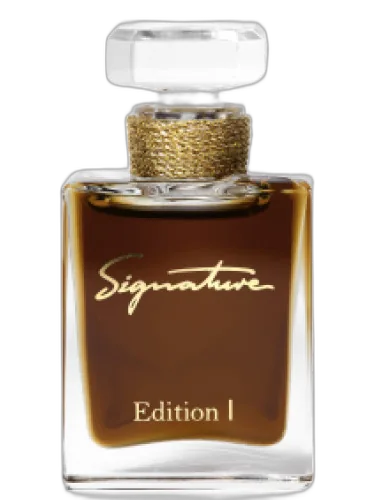
Signature Yashmagh
Edition 1 Signature Yashmagh
Shared top notes: agarwood (oud), cedar, musk

DS&Durga
40 Million Year Old Amber Ds&durga
Shared top notes: incense, pepper
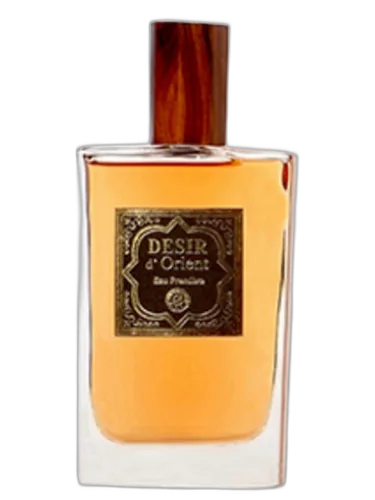
Les Parfums du Soleil
Desir D'orient Les Parfums Du Soleil
Shared top notes: agarwood (oud), cedar, incense
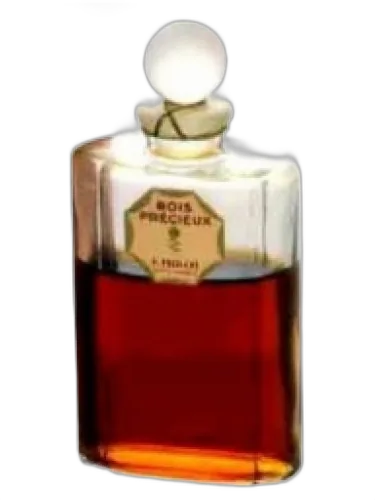
F. Millot
Bois Precieux F. Millot
Shared top notes: cedar, incense, musk
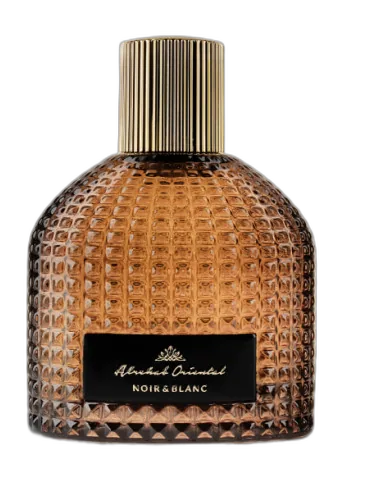
Alrehab Oriental
Noir And Blanc Alrehab Oriental
Shared top notes: incense, pepper, rose