


Copala Xinú
Fragrance Story
Copala by Xinú is a Oriental Woody fragrance for women and men. Copala was launched in 2016. The nose behind this fragrance is Rodrigo Flores-Roux.
Composition Profile
About the Perfumer

Rodrigo Flores-Roux
Rodrigo Flores-Roux is a perfumer who has contributed to a wide range of fragrance houses including 27 87, Aedes de Venustas, Aether, Alford & Hoff, Anine Bing, and Arquiste. His notable works include Hakuna Matata, Oeillet Bengale, Methaldone, Suprae, and A Grove By The Sea. Flores-Roux is recognized for his versatile and creative approach to scent.
Fragrance Notes
All Notes
Complete scent profile
 Copal
Copal
 Woody Notes
 Mexican Vanilla
 Pink Pepper
Copala Xinú by Xinú offers a distinctive olfactory experience that stands out from other fragrances in its category.
Crafted with the finest ingredients and a blend of traditional and modern perfumery techniques, this fragrance represents the pinnacle of the perfumer's art.
Copala Xinú embodies the distinctive style of Xinú while adding a unique chapter to their fragrance portfolio.
Character Profile
The Lover Archetype: Portrait of Copala Xinú
Essence
The person who cherishes Copala Xinú is most closely aligned with the Mystic archetype-a seeker of hidden truths, drawn to the sacred and the sensual in equal measure. This fragrance, with its smoky, resinous depth, speaks to one who finds beauty in the interplay of shadow and light, who seeks not just to experience life but to transcend it. The Mystic is not content with surface pleasures; they crave meaning, ritual, and a connection to something greater than themselves.
Relationships
Their relationships are few but profound. They do not seek companionship out of loneliness but out of a desire for shared depth. They attract lovers who are equally introspective, drawn to their enigmatic presence. In love, they are passionate but guarded-willing to bare their soul but only to those who prove worthy.
Friendship, for them, is a sacred bond. They despise small talk, preferring conversations that spiral into the metaphysical. Their closest confidants are those who can sit in silence with them, understanding that words are not always necessary. Yet this intensity can be overwhelming for others, leading to periods of isolation when they retreat into their inner world.
Shadow
Yet the Mystic has their darkness. Their quest for meaning can become obsessive, leading them to withdraw from the mundane world. They may disdain those who live superficially, forgetting that not everyone needs-or wants-to plunge into the abyss. Their disdain for convention can harden into arrogance, a belief that they alone see the truth.
They are prone to melancholy, a lingering sense of alienation even among loved ones. At times, they indulge in self-imposed solitude to the point of self-destruction, mistaking loneliness for enlightenment. Their sensuality, if unchecked, can tip into hedonism-using pleasure as an escape rather than a sacrament.
Conclusion
Their world is one of quiet intensity. They move through life with a deliberate grace, as if every action holds deeper significance. Their home is a sanctuary-dimly lit, filled with incense, old books, and artifacts collected from travels or inherited from ancestors. They prefer textures that evoke history: worn leather, rough linen, polished wood. Their wardrobe leans toward the timeless-loose, flowing garments in deep earth tones, or structured black pieces that hint at monastic austerity.
Their taste in art and music reflects their inward focus. They are drawn to the haunting melodies of medieval chants, the hypnotic rhythms of tribal drums, or the dissonant beauty of avant-garde compositions. In literature, they favor poets like Rilke or Pessoa, whose words blur the line between the sacred and the profane.
Philosophically, they believe in the unity of all things-that pleasure and spirituality are not opposites but intertwined. They may practice meditation, yoga, or esoteric traditions, not as a trend but as a way of grounding their restless soul. Yet they are not ascetic; they indulge in fine wine, dark chocolate, and slow, intimate conversations that last until dawn.
Similar Fragrances
Fragrances with a comparable profile - shared accords, notes, and character.
Xinú
Copala Xinú
Shared accords: amber, balsamic, powdery

Maison Martin Margiela
By The Fireplace Maison Martin Margiela
Shared accords: amber, balsamic, powdery
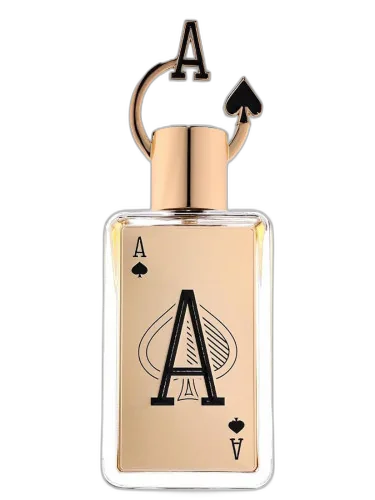
Fragrance World
Ace Fragrance World
Shared accords: amber, balsamic, powdery
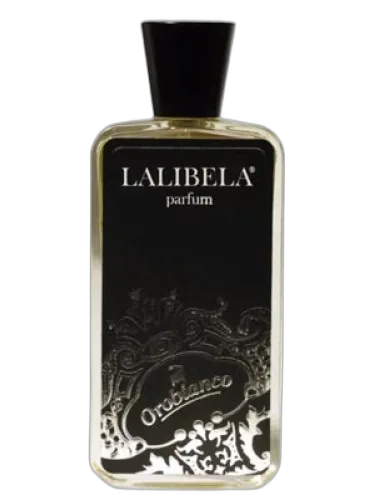
Orobianco Parfum Collection
Lalibela Orobianco Parfum Collection
Shared accords: amber, balsamic, powdery
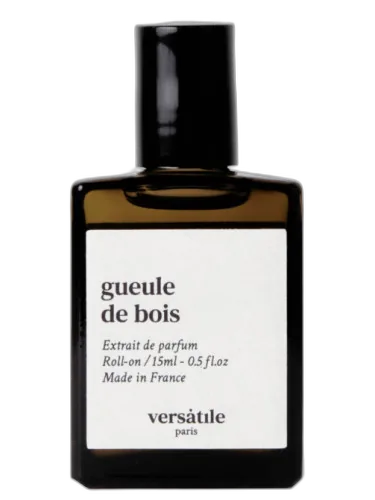
Versatile Paris
Gueule De Bois Versatile Paris
Shared accords: amber, balsamic, powdery