


Xyrena 66 Xyrena
At a glance
Is Xyrena 66 Xyrena worth trying?
Xyrena 66 by Xyrena is a Leather fragrance for women and men.
- Best match
- Evening wear in Fall
- Performance feel
- Good longevity with Strong sillage
- Signature profile
- mineral, gasoline, leather with Motor Oil, Gasoline, Leather
The first impression
Xyrena 66 by Xyrena is a Leather fragrance for women and men. Xyrena 66 was launched in 2015. The nose behind this fragrance is Killian Wells.
What shapes the scent
The perfumer behind it

Killian Wells
Killian Wells is an American perfumer and the founder of the niche fragrance house Xyrena. His creative signature blends pop culture references with nostalgic, often gourmand or atmospheric scents, as seen in fragrances like Andy Kaufman Milk & Cookies and Blue Dream. Wells is known for translating unconventional themes into wearable compositions, from the amusement park-inspired Dark Ride to the playful Basic Bitch.
Notes pyramid
All Notes
Complete scent profile
 Motor Oil
 Gasoline
 Leather
The mood it creates
The Explorer Archetype: Portrait of Xyrena 66 Xyrena
Essence
The person who gravitates toward Xyrena 66 Xyrena-a fragrance that evokes the nostalgic, rebellious essence of gasoline, asphalt, and the open road-is defined by the Outlaw archetype. This is not the romanticized rogue, but the true iconoclast who thrives on disrupting the mundane. They reject conformity not for mere shock value, but because they find authenticity in the raw, the unrefined, the edges of experience. The Outlaw does not seek approval; they seek freedom, even at the cost of alienation.
Philosophy & Values
This individual moves through life with a restless intensity, drawn to the scent of possibility-both literal and metaphorical. They are the one who lingers at gas stations not out of necessity, but for the romance of transient places. Their philosophy is one of movement over stagnation, of sensation over safety. They distrust dogma, preferring the wisdom of lived experience.
Their tastes are unapologetically visceral. They might favor leather jackets not for fashion, but for the way they age with wear; they collect vinyl records not for nostalgia, but for the crackle of imperfection. Music is not just sound-it is texture, rebellion, a defiance of silence. Their home, if they have one, is a curated chaos: vintage road signs, well-thumbed books by Burroughs or Kerouac, a motorcycle in the garage (whether functional or not).
Their greatest virtue is their refusal to compromise, but this is also their curse. They value loyalty but define it on their own terms-friendships are deep but transient, like roadside diner conversations that linger in memory but never repeat. Romantic relationships are passionate but fraught; they love fiercely but resist the confines of commitment. Their partners are either fellow wanderers (who understand the need for space) or grounded souls (who try, and fail, to anchor them).
They are not cruel, but they are often careless-their shadow is the recklessness of the unbound soul. They may leave without explanation, not out of malice, but because staying feels like suffocation. Their independence can become isolation; their defiance can harden into cynicism. The world, which once seemed full of open roads, can become a series of dead ends if they refuse to ever stop moving.
Shadow
The Outlaw’s strength is their refusal to be tamed-but this can curdle into self-sabotage. They may mistake restlessness for purpose, mistaking the next horizon for meaning. Their disdain for convention can become a prison of its own, trapping them in perpetual motion without destination. The scent of gasoline, once intoxicating, can become the smell of something burning out.
Yet, even in their flaws, there is something admirably human. They are not seeking escape, but something real-something that can’t be bottled, only chased. And perhaps, in the end, that is enough.
Conclusion
To wear Xyrena 66 Xyrena is to carry the spirit of the open road-not as a fantasy, but as a way of being. This person is neither hero nor villain, but something more compelling: a living question. They challenge others to ask: How much comfort will you trade for freedom? How much safety for sensation?
They may never find an answer. But then again, they were never looking for one.
If you like this, try these
Fragrances with a comparable profile - shared accords, notes, and character.

Rammstein
Kokain Intense Rammstein
Shared top notes: gasoline, leather

Rammstein
Kokain Rammstein
Shared top notes: gasoline, leather

Pierre Guillaume Paris
Metal Hurlant Pierre Guillaume Paris
Shared top notes: leather

Scent of Qui
Partisan Scent Of Qui
Shared top notes: leather
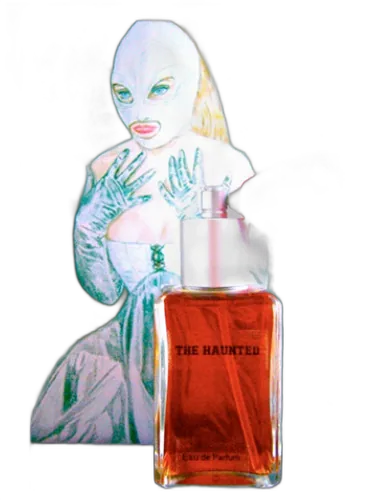
Paragon Perfumes
The Haunted Paragon Perfumes
Shared top notes: leather