
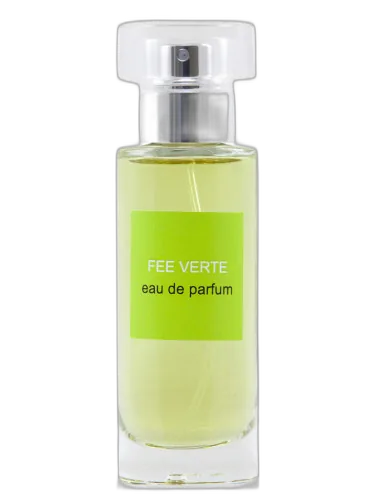
Fee Verte Yanfroloff
At a glance
Is Fee Verte Yanfroloff worth trying?
Fee Verte by YanFroloff is a Floral Green fragrance for women.
- Best match
- Evening wear in Fall
- Performance feel
- Very Good longevity with Strong sillage
- Signature profile
- aromatic, rose, woody with Absinthe, Bergamot, Rose
The first impression
Fee Verte by YanFroloff is a Floral Green fragrance for women. The nose behind this fragrance is Yan Froloff. Top notes are Absinthe and Bergamot; middle notes are Rose, Iris, Ylang-Ylang, Jasmine and Lily-of-the-Valley; base notes are Resins, Castoreum, Fir, Tolu Balsam, Hay, Patchouli, Oakmoss and Amber.
What shapes the scent
The perfumer behind it

Yan Froloff
Yan Froloff is a Russian perfumer who collaborates with Valery Mikhalitcyn on the By Yan Froloff & Valery Mikhalitcyn line, featuring fragrances like Iris Invida, Jasminum Iratum, Magnolia Acida, and Osmantus Luxuriosus. He also creates under his own name YanFroloff, with scents such as Absinthe Hypnotique, Absinthe, Afrique, and Bergamote. His work often explores botanical and gourmand themes with a poetic, artistic approach.
Notes pyramid
Top Notes
First impression · 15-30 min
 Absinthe
 Bergamot
Heart Notes
Core character · 2-4 hours
 Rose
Rose
 Iris
Iris
 Ylang-Ylang
 Jasmine
 Lily-of-the-Valley
Base Notes
Lasting impression · 4+ hours
 Resins
 Castoreum
 Fir
Fir
 Tolu Balsam
 Hay
Hay
 Patchouli
 Oakmoss
 Amber
Amber
The mood it creates
The Visionary Archetype: Portrait of Fee Verte Yanfroloff
Essence
To love Fee Verte by Yanfroloff is to embrace the intoxicating duality of clarity and illusion-a fragrance that evokes the green fairy’s kiss, both lucid and hallucinatory. The wearer of this scent is not merely a connoisseur of perfumes but a seeker of altered states, a mind that thrives on the threshold between the real and the imagined. Their archetype is the Visionary, one who sees beyond the veil of the ordinary, yet risks losing themselves in the labyrinth of their own mind.
Shadow
Yet the Visionary walks a dangerous line. Their disdain for the ordinary can become a refusal to engage with reality at all. They may retreat into their own mind, preferring fantasies to the messiness of human connection. Their love of altered states-whether through absinthe, art, or solitude-can tip into self-destruction. The same mind that conjures brilliance can also spiral into paranoia or melancholy.
Their relationships suffer from their inconsistency. They crave deep bonds but often vanish into their own world, leaving others feeling abandoned. They may grow resentful of those who demand stability, dismissing them as "unimaginative." Their shadow is the Trickster-a figure who plays with perception but risks becoming lost in their own illusions.
Conclusion
Their tastes are decadent yet refined-absinthe not for its drunkenness but for its ritual, its slow drip of water over sugar dissolving into something transcendent. They are drawn to the aesthetics of the Belle Époque, the bohemian salons where artists and madmen debated philosophy over smoke and liquor. Their home is a curated dreamscape: antique apothecary bottles, velvet drapes, a well-worn copy of Baudelaire’s Les Fleurs du Mal on the nightstand. They prefer the dim glow of candlelight to harsh modernity, for shadows reveal more than brightness ever could.
Philosophically, they reject the tyranny of the mundane. To them, reality is a construct, and truth is found in the liminal spaces-dreams, intoxication, art. They might quote Nietzsche: "One must still have chaos in oneself to be able to give birth to a dancing star." They value depth over dogma, intuition over rigid logic. Their relationships are intense but fleeting; few can match their intellectual fervor, and many grow weary of their restless mind. They attract admirers but struggle with lasting intimacy, for their true love affair is with the unknown.
If you like this, try these
Fragrances with a comparable profile - shared accords, notes, and character.

YanFroloff
Vincent Yanfroloff
Shared top notes: bergamot
Art Deco Perfumes
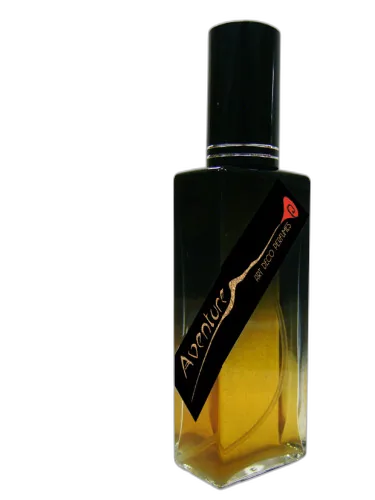
Aventure Art Deco Perfumes
Shared top notes: bergamot
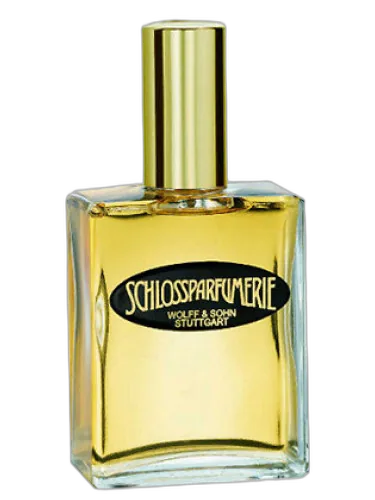
Schlossparfumerie
Pour La Belle Schlossparfumerie
Shared top notes: bergamot
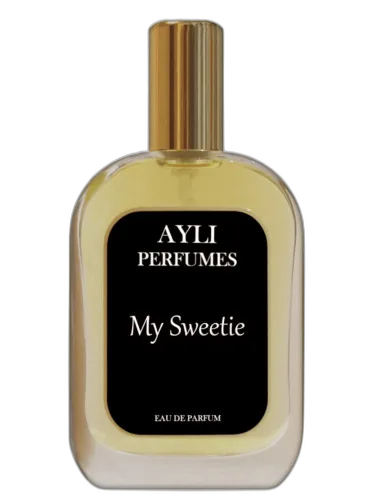
Ayliroma
My Sweetie Ayliroma
Shared top notes: bergamot
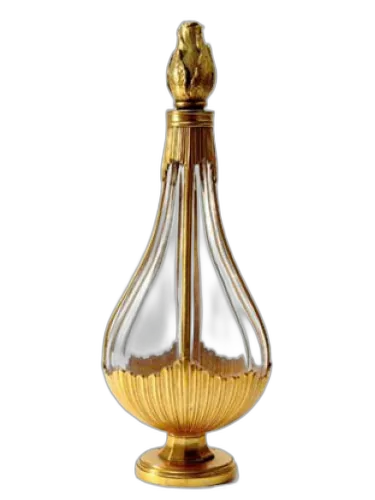
Dior
Diorling Dior
Shared top notes: bergamot