
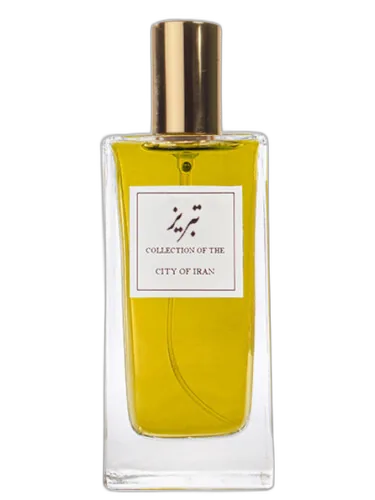

Tabriz Yani
At a glance
Is Tabriz Yani worth trying?
Tabriz by YANI is a Leather fragrance for women and men.
- Best match
- Evening wear in Fall
- Performance feel
- Very Good longevity with Strong sillage
- Signature profile
- leather, warm spicy, citrus with Ginger, Grapefruit, Bergamot
The first impression
Tabriz by YANI is a Leather fragrance for women and men. This is a new fragrance. Tabriz was launched in 2024. The nose behind this fragrance is Kantal Roussel. Top notes are Ginger, Grapefruit, Bergamot and Raspberry; middle notes are Leather, Dry Wood and Saffron; base notes are Leather, Cedar and Musk.
What shapes the scent
The perfumer behind it

Kantal Roussel
Kantal Roussel is a perfumer known for creating the YANI collection, which includes Mashhad Yani, Sweet Kurdish Girl Yani, and Tabriz Yani. These fragrances draw inspiration from Middle Eastern culture and ingredients. Roussel's work often blends traditional and modern elements to craft distinctive olfactory experiences.
Notes pyramid
Top Notes
First impression · 15-30 min
 Ginger
 Grapefruit
 Bergamot
 Raspberry
Heart Notes
Core character · 2-4 hours
 Leather
 Dry Wood
 Saffron
Base Notes
Lasting impression · 4+ hours
Leather
 Cedar
Cedar
 Musk
Musk
The mood it creates
The Sage Archetype: Portrait of Tabriz Yani
Essence
To wear Tabriz Yani is to embrace an olfactory paradox-a fragrance that is at once earthy and ethereal, grounded yet transcendent. The person who chooses this scent is not one who seeks fleeting pleasures or superficial charm. They are drawn to depth, to the quiet intensity of wisdom, and to the slow unraveling of truth. Their archetype is the Sage-the seeker of knowledge, the observer of life’s patterns, the one who stands slightly apart from the world to better understand it.
Style & Aesthetic
Their aesthetic is one of quiet sophistication-nothing ostentatious, nothing loud. They favor well-crafted garments in muted tones, fabrics that age gracefully, objects that carry history. Their home is a sanctuary of books, art, and carefully chosen artifacts, each with a story. They appreciate craftsmanship, the kind that reveals itself only to those who look closely.
Yet, there is a danger here as well. Their refined tastes can harden into elitism, a subtle disdain for those who do not share their discernment. They may mistake aesthetic restraint for moral superiority, forgetting that beauty exists in many forms, not just the ones they deem worthy.
Their days are structured but not rigid, filled with rituals that ground them-morning coffee with a well-worn book, evening walks where the mind wanders freely. They are drawn to disciplines that require patience: philosophy, meditation, perhaps even the slow art of perfumery itself. They do not chase trends; they cultivate timelessness.
Yet, their disciplined nature can become inflexibility. Their routines, once a source of stability, may calcify into resistance to spontaneity. They may mistake habit for wisdom, routine for truth.
Philosophy & Values
For them, life is a text to be deciphered, a puzzle to be solved with patience and precision. They value intellect, but not in the sterile way of the academic; their wisdom is lived, tested against experience. They believe in the power of insight, in the slow accumulation of understanding rather than the rush of dogma. Their philosophy is one of measured curiosity-they question without cynicism, doubt without despair.
Yet, the Sage is not without their shadows. Their love of knowledge can become a retreat from life, a way to avoid the messiness of emotion. They may overanalyze, mistaking thought for action, contemplation for engagement. At times, they risk becoming the detached observer, so fascinated by the workings of the world that they forget to participate in it.
Relationships
They are not the life of the party, nor do they wish to be. Their friendships are few but deep, built on mutual respect and intellectual kinship. They listen more than they speak, but when they do speak, their words carry weight. Romantic partners must be their equals-not in knowledge, but in curiosity, in the willingness to explore the unseen layers of existence.
But the Sage’s shadow emerges in their relationships too. Their preference for depth can make them impatient with those who do not meet their standards of thoughtfulness. They may withdraw into solitude, justifying it as a need for reflection when, in truth, it is a defense against vulnerability.
Conclusion
At their best, the Sage is a guiding light-someone who sees clearly, thinks deeply, and shares their insights with quiet generosity. They are the steady hand in chaos, the voice of reason in confusion.
But when unbalanced, they risk becoming the recluse, the critic who observes but does not act, the thinker who forgets that wisdom must be lived, not merely pondered.
The lover of Tabriz Yani walks this line-between knowledge and experience, between detachment and engagement. Their challenge is not to abandon thought, but to ensure that it serves life, rather than replaces it.
If you like this, try these
Fragrances with a comparable profile - shared accords, notes, and character.

Cerruti
L'essence De Cerruti Cerruti
Shared top notes: bergamot

Faberlic
Urban Legend For Him Faberlic
Shared top notes: bergamot, ginger
Cuarzo The Circle
Levitation White Gold Cuarzo The Circle
Shared top notes: bergamot

CoSTUME NATIONAL
Secret Woods Costume National
Shared top notes: bergamot, grapefruit
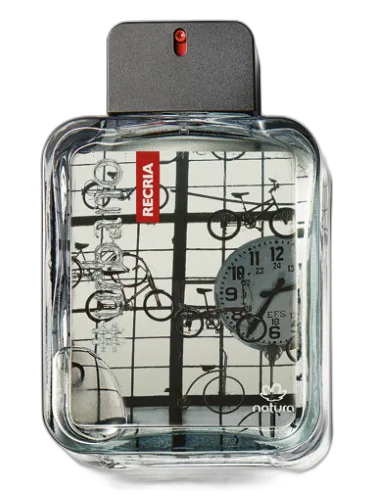
Natura
Recria Natura
Shared top notes: bergamot, ginger, grapefruit