
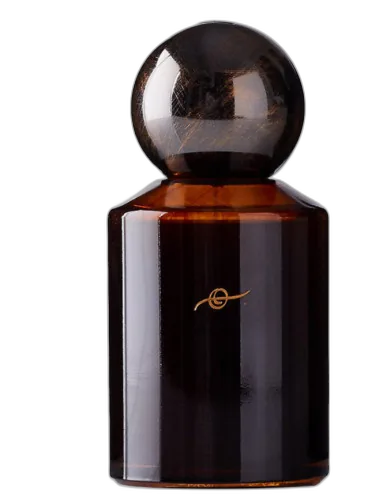

Theros Ys-uzac
At a glance
Is Theros Ys-uzac worth trying?
Theros by Ys-Uzac is a Woody fragrance for women and men.
- Best match
- Evening wear in Fall
- Performance feel
- Excellent longevity with Strong sillage
- Signature profile
- amber, sand, mineral with Dark Chocolate, Sand, Ambergris
The first impression
Theros by Ys-Uzac is a Woody fragrance for women and men. Theros was launched in 2017. The nose behind this fragrance is Vincent Micotti.
What shapes the scent
The perfumer behind it

Vincent Micotti
Vincent Micotti is a perfumer for the Ys-Uzac brand, known for avant-garde and artistic compositions. His catalog includes Ambre Bleue, Ballon De Soie, and Bois Fou, as well as Bom Incense and Bom Jasmine. Micotti's fragrances often explore dark, resinous, and smoky themes. He is recognized for his bold and unconventional style.
Notes pyramid
All Notes
Complete scent profile
 Dark Chocolate
 Sand
Sand
 Ambergris
 Skin
Skin
 Pebbles
 Agarwood (Oud)
 Lipstick
 Ambrette (Musk Mallow)
 Sea Notes
Sea Salt
Sea Notes
Sea Salt
 Amber
Amber
 Patchouli
The mood it creates
The Lover Archetype: Portrait of Theros Ys-uzac
Essence
Theros Ys-Uzac is not a fragrance for the timid. It is a scent of transformation-dark resins, smoky woods, and a whisper of something ancient, like parchment steeped in forgotten rituals. The person who wears it is not merely drawn to its aroma but to what it represents: the transmutation of the ordinary into the extraordinary. They are, at their core, an Alchemist-an archetype that seeks to turn base experience into gold, to uncover hidden truths beneath the surface of things.
The Alchemist is not content with passive existence; they are driven by curiosity, a hunger for depth, and an unshakable belief that life holds mysteries waiting to be unraveled. They are both scientist and mystic, equally at home in the realms of logic and intuition. Yet, like all archetypes, the Alchemist has a shadow-one that risks becoming lost in obsession, disillusionment, or the illusion of control.
Style & Aesthetic
Their aesthetic is deliberate, layered, and slightly enigmatic. They favor textures that suggest history-worn leather, aged brass, fabrics that carry weight and memory. Their wardrobe is neither flamboyant nor austere, but each piece is chosen with intent, as if it were part of an ongoing experiment in self-expression.
They are drawn to art that demands interpretation-symbolist paintings, obscure literature, music that lingers in the mind like an unsolved riddle. Their bookshelves hold treatises on philosophy alongside grimoires of forgotten lore, not because they believe in the occult, but because they respect the power of symbols.
They thrive in environments that allow for solitude and discovery-a quiet study lined with books, a workshop filled with half-finished projects, or a city where every alleyway holds the promise of some overlooked secret. Routine is their enemy, but not chaos; they need just enough structure to contain their experiments.
They may work in fields that demand synthesis-art, psychology, investigative journalism, or even unconventional sciences. If they are not careful, they can become lost in their pursuits, neglecting the tangible world in favor of the unseen.
Philosophy & Values
They believe in the alchemy of experience-that suffering, joy, and even banality can be refined into wisdom. They are not optimists in the conventional sense; they do not assume the world is inherently good. But they do believe it is meaningful, and that meaning must be sought, not given.
Their morality is fluid, shaped more by curiosity than dogma. They are not cruel, but they are willing to explore uncomfortable truths if it leads to understanding. They value authenticity above comfort, which sometimes makes them seem detached or overly critical.
Relationships
They do not collect friends; they cultivates them with the care of a chemist measuring precise reagents. Their closest bonds are with those who share their hunger for depth-people who can engage in long, meandering conversations about the nature of time, the psychology of myth, or the hidden structures of power.
Romantically, they are drawn to intensity. They do not seek stability so much as significance-a relationship that feels like a revelation. This can make them passionate but also elusive; they fear the mundane as much as they fear stagnation. Their shadow emerges when they treat people as puzzles to be solved rather than souls to be known.
Shadow
But the Alchemist’s pursuit of meaning can curdle into obsession. They may become so fixated on decoding life that they forget to live it. Their skepticism can harden into distrust, their love of mystery into paranoia.
In relationships, they may withdraw when things become too predictable, mistaking comfort for stagnation. Their greatest fear is not failure but irrelevance-the idea that their search for meaning might ultimately lead nowhere.
Conclusion
The lover of Theros Ys-Uzac does not wear the fragrance to be noticed but to remind themselves of the alchemical journey they are on. They are both the experiment and the experimenter, the seeker and the sought.
Their life is not one of answers but of relentless questioning. And though they may never find the philosopher’s stone, the act of searching is itself the gold they seek.
If you like this, try these
Fragrances with a comparable profile - shared accords, notes, and character.

Ys-Uzac
Théros Elixir Ys-uzac
Shared top notes: agarwood (oud), amber, ambergris
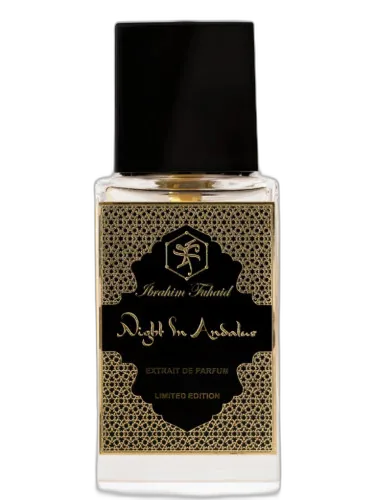
Ibrahim Fuhaid
Night In Andalus Ibrahim Fuhaid
Shared top notes: agarwood (oud), amber, ambergris
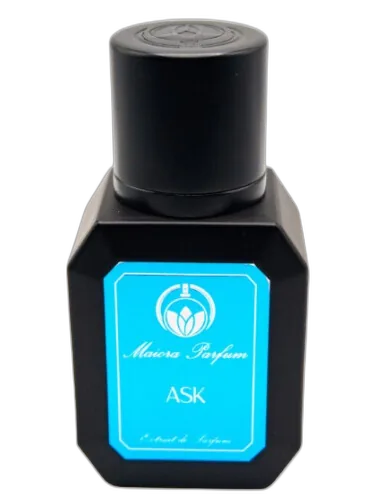
Maiora Parfum
Ask Maiora Parfum
Shared top notes: sea notes, sea salt
Solstice Scents
Gehenna Solstice Scents
Shared top notes: agarwood (oud), amber
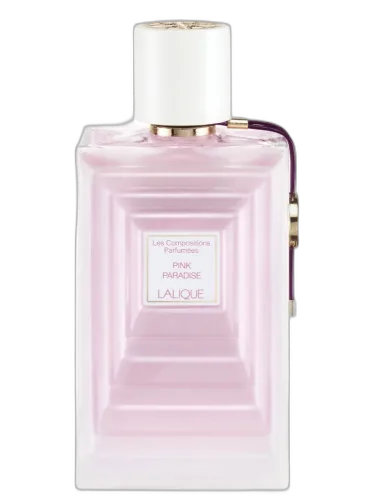
Lalique
Pink Paradise Lalique
Shared top notes: amber, sand, sea notes