


Comme Une Evidence L'eau De Parfum Intense Yves Rocher
Fragrance Story
Comme une Evidence L'Eau de Parfum Intense by Yves Rocher is a Floral fragrance for women. Comme une Evidence L'Eau de Parfum Intense was launched in 2013. The nose behind this fragrance is Annick Menardo.
Composition Profile
About the Perfumer

Annick Menardo
Annick Menardo is a French perfumer known for her work at Firmenich and her bold, modern compositions. She often blends gourmand, woody, and leathery accords, creating fragrances that are both striking and wearable. Her portfolio includes the rich, smoky Figment Man for Amouage and the sophisticated, floral-amber Portrayal Woman, as well as the iconic Azzaro Visit.
Fragrance Notes
All Notes
Complete scent profile
 Damask Rose
 Praline
 Jasmine
White Woods
Jasmine
White Woods
Comme Une Evidence L'eau De Parfum Intense Yves Rocher by Yves Rocher offers a distinctive olfactory experience that stands out from other fragrances in its category.
Crafted with the finest ingredients and a blend of traditional and modern perfumery techniques, this fragrance represents the pinnacle of the perfumer's art.
Comme Une Evidence L'eau De Parfum Intense Yves Rocher embodies the distinctive style of Yves Rocher while adding a unique chapter to their fragrance portfolio.
Character Profile
The Lover Archetype: Portrait of Comme Une Evidence L'eau De Parfum Intense Yves Rocher
Essence
The one who chooses Comme Une Evidence L'eau De Parfum Intense by Yves Rocher is a soul drawn to the poetry of the senses. This fragrance-soft yet profound, floral yet subtly intoxicating-mirrors their inner world. They are not merely a passive admirer of beauty; they are an active participant in its creation, seeking to weave elegance into every facet of existence. Their archetype is The Lover, not in a trivial sense of fleeting romance, but in the Jungian understanding of one who seeks unity-between self and other, between passion and reason, between the ephemeral and the eternal.
Style & Aesthetic
Their taste is refined but never ostentatious. They favor garments that drape gracefully, fabrics that whisper against the skin, colors that evoke emotion-deep burgundies, muted ivories, dusky roses. They understand that beauty is not loud; it is a quiet force, like the lingering trail of their perfume. Their home is a sanctuary of curated objects: a well-worn book of Rilke’s poetry, a vase of peonies just past full bloom, a record of Debussy left on the turntable. They do not chase trends but cultivate an atmosphere that feels like an extension of their soul.
Their days are measured not by productivity but by moments of meaning. They rise early to watch the light change, savor their coffee slowly, write letters by hand. They are drawn to professions that allow for expression-art, counseling, design-or they infuse their mundane work with creativity, turning routine into ritual. They are not reckless hedonists, but neither do they deny themselves pleasure. A perfectly ripe fig, the warmth of sunlight on bare skin, the sound of rain against glass-these are their sacraments.
Philosophy & Values
For them, life is to be experienced with both intensity and tenderness. They believe in the transformative power of love-not just romantic love, but love as a way of being. They are drawn to the idea that beauty is truth, and truth, beauty. Yet, theirs is not a naive idealism; they know that ecstasy and melancholy are two sides of the same coin. They value depth over superficiality, connection over transaction. Their morality is not rigid but fluid, guided by empathy and the belief that to understand another is to love them.
Relationships
They are magnetic, not because they demand attention, but because they offer presence. In conversation, they listen with their whole being, their gaze steady, their responses thoughtful. They do not love lightly; when they commit, it is with a quiet fierceness. Yet, their shadow emerges here-sometimes, their desire for deep connection becomes a hunger, a need to merge so completely with another that they risk losing themselves. They may mistake intensity for intimacy, or cling to relationships long after their natural end, fearing the void that separation brings.
Shadow
The Lover’s greatest strength-their capacity for deep feeling-is also their vulnerability. When unbalanced, they may slip into melodrama, seeing every slight as betrayal, every parting as tragedy. They can become possessive, mistaking love for ownership. At times, they retreat into fantasy, preferring the dream of connection to its messy reality. And when disillusioned, they may grow cynical, masking their wounded idealism with a veneer of detachment.
Conclusion
To transcend their shadow, they must learn that love is not fusion but dance-a movement of closeness and distance, of holding and releasing. They must embrace solitude as deeply as they do communion, understanding that the self is not lost in love but refined by it. When they achieve this balance, they become not just lovers of people, but of life itself-alchemists who turn the ordinary into the sublime.
In the end, their fragrance is more than a scent; it is an emblem of their essence. Comme Une Evidence-"like an evidence"-because to know them is to recognize something inevitable, something that feels, in its quiet way, like destiny.
Similar Fragrances
Fragrances with a comparable profile - shared accords, notes, and character.

Maiora Parfum
Arya Maiora Parfum
Shared accords: floral, rose, sweet
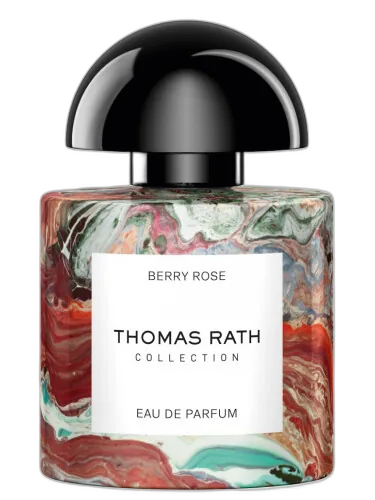
Thomas Rath
Berry Rose Thomas Rath
Shared accords: floral, rose, sweet
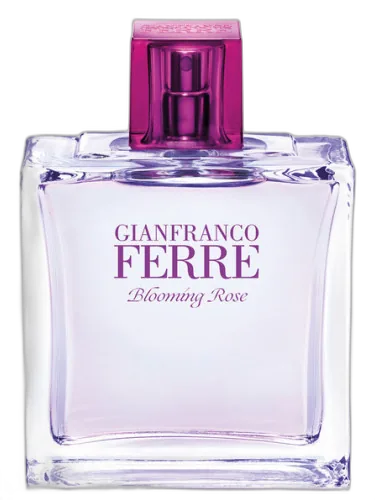
Gianfranco Ferre
Blooming Rose Gianfranco Ferre
Shared accords: floral, rose, sweet
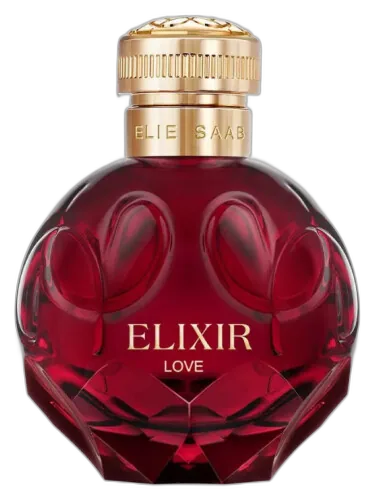
Elie Saab
Elixir Love Elie Saab
Shared accords: floral, rose, sweet

Kenzo
Flower By Kenzo Poppy Bouquet Couture Edition Kenzo
Shared accords: floral, lactonic, rose