


Moment De Bonheur Yves Rocher
At a glance
Is Moment De Bonheur Yves Rocher worth trying?
Moment de Bonheur by Yves Rocher is a Floral fragrance for women.
- Best match
- Casual wear in Spring
- Performance feel
- Moderate longevity with Moderate sillage
- Signature profile
- rose, green, fresh spicy with Green Notes, Geranium, Rose
The first impression
Moment de Bonheur by Yves Rocher is a Floral fragrance for women. Moment de Bonheur was launched in 2011. The nose behind this fragrance is Annick Menardo. Top notes are Green Notes and Geranium; middle note is Rose; base notes are Virginia Cedar and Patchouli.
What shapes the scent
The perfumer behind it

Annick Menardo
Annick Menardo is a French perfumer known for her work at Firmenich and her bold, modern compositions. She often blends gourmand, woody, and leathery accords, creating fragrances that are both striking and wearable. Her portfolio includes the rich, smoky Figment Man for Amouage and the sophisticated, floral-amber Portrayal Woman, as well as the iconic Azzaro Visit.
Notes pyramid
Top Notes
First impression · 15-30 min
 Green Notes
 Geranium
Heart Notes
Core character · 2-4 hours
 Rose
Rose
Base Notes
Lasting impression · 4+ hours
 Virginia Cedar
 Patchouli
The mood it creates
The Lover Archetype: Portrait of Moment De Bonheur Yves Rocher
Essence
At the heart of this person lies the Innocent-an archetype defined by purity, optimism, and a deep longing for harmony. The Innocent seeks beauty in simplicity, cherishing moments of uncomplicated happiness. They are drawn to fragrances like Moment de Bonheur-a delicate blend of rose, peony, and vanilla-because it embodies their belief in life’s ephemeral sweetness. This is not the scent of a cynic, nor of someone who revels in intensity; it is the fragrance of one who finds solace in softness, who believes in the possibility of gentle joy.
Yet, the Innocent is not naive in the way of a child. Their optimism is a choice, a cultivated resistance to life’s harsher edges. They have seen darkness but refuse to let it define them. Instead, they create sanctuaries-both physical and emotional-where warmth and light prevail.
Philosophy & Values
They believe in the power of small joys-a perfectly brewed cup of tea, the scent of rain on warm pavement, the quiet pleasure of a handwritten letter. Their philosophy is not one of grand gestures but of accumulated tenderness. They reject the notion that life must be a struggle to be meaningful; instead, they argue that meaning is found in the moments we allow ourselves to be unguarded, to feel without reservation.
Yet, this very idealism is their greatest vulnerability. Their refusal to dwell in darkness can sometimes make them seem distant to those in pain, as if they are turning away from the messier aspects of existence. They may unintentionally dismiss suffering with a well-meaning but hollow "Just focus on the good things!"-a defense mechanism against their own fear of despair.
Relationships
In love and friendship, they are nurturing, attentive, the kind of person who remembers birthdays and brings soup when you’re ill. They excel at creating a sense of safety, a space where others feel seen and cared for. Their relationships are built on kindness, not drama.
But their aversion to conflict can be a weakness. They may avoid difficult conversations, smoothing over tensions with optimism rather than addressing them. Their partners or close friends might occasionally feel stifled by their relentless positivity, longing for a deeper, more raw connection. The Innocent fears that if they acknowledge pain too openly, it will consume them-so they keep it at arm’s length, sometimes at the cost of true intimacy.
Shadow
Beneath their serene exterior lies a quiet anxiety-the fear that their carefully constructed world of beauty and warmth could shatter at any moment. When faced with unavoidable suffering (a loss, a betrayal), they may retreat further into their idealism, refusing to engage with reality. At their worst, they become passive, almost ghostly, floating above life rather than living it fully.
Their greatest challenge is to integrate the shadow-to accept that joy is not the absence of sorrow but its counterbalance. Only then can their optimism become wisdom rather than escape.
Conclusion
They are not weak, though their gentleness might be mistaken for fragility. Their strength lies in their refusal to let bitterness take root. They choose light, again and again, even when it would be easier to succumb to cynicism. Moment de Bonheur is their anthem-a reminder that happiness, however fleeting, is worth savoring.
But true wisdom for them will come when they learn that darkness, too, has its own kind of beauty-one that does not diminish joy but makes it more profound.
If you like this, try these
Fragrances with a comparable profile - shared accords, notes, and character.

Nez a Nez
Rosier Ardent Nez A Nez
Shared heart notes: rose

Edens Garden
Rose Bergamot Edens Garden
Shared heart notes: rose
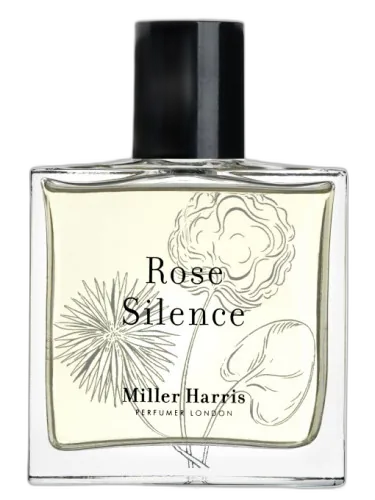
Miller Harris
Rose Silence Miller Harris
Shared heart notes: rose

Yves Rocher
Rose Absolue Yves Rocher
Shared heart notes: rose

By Kilian
Fun Things Always Happen After Sunset By Kilian
Shared top notes: green notes