
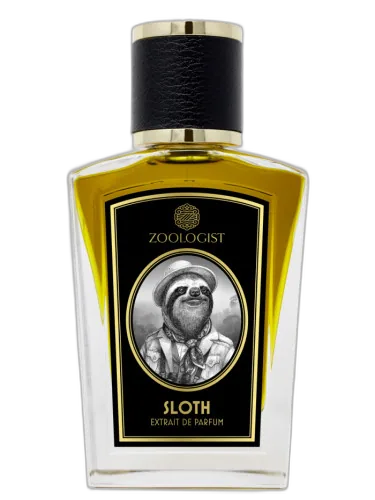

Sloth Zoologist Perfumes
At a glance
Is Sloth Zoologist Perfumes worth trying?
Sloth by Zoologist Perfumes is a fragrance for women and men.
- Best match
- Casual wear in Fall
- Performance feel
- Very Good longevity with Moderate sillage
- Signature profile
- herbal, fresh spicy, green with Chamomile, Acai Berry, Lavender
The first impression
Sloth by Zoologist Perfumes is a fragrance for women and men. Sloth was launched in 2020. The nose behind this fragrance is Prin Lomros. Top notes are Chamomile, Acai Berry, Lavender and Violet Leaf; middle notes are Cumin, Beeswax, Marigold, Nard Himalayan (Jatamansi), Anise and Jasmine; base notes are Hay, Oakmoss, Mushroom, Olibanum, Myrrh, Tonka Bean and Vanilla.
What shapes the scent
The perfumer behind it

Prin Lomros
Prin Lomros is a Thai perfumer and founder of the Prin brand, recognized for bold, complex compositions that often blend natural and synthetic materials. Their portfolio includes works for Azman and Der Duft, as well as their own line featuring scents like Ahuizotl and Aran. Lomros is known for pushing boundaries with rich, animalic, and resinous accords.
Notes pyramid
Top Notes
First impression · 15-30 min
 Chamomile
 Acai Berry
 Lavender
 Violet Leaf
Heart Notes
Core character · 2-4 hours
 Cumin
Cumin
 Beeswax
 Marigold
 Nard Himalayan (Jatamansi)
 Anise
Anise
 Jasmine
Base Notes
Lasting impression · 4+ hours
 Hay
Hay
 Oakmoss
 Mushroom
Olibanum
Mushroom
Olibanum
 Myrrh
Myrrh
 Tonka Bean
 Vanilla
The mood it creates
The Sloth Enthusiast Archetype: Portrait of Sloth Zoologist Perfumes
Essence
To wear Sloth by Zoologist is to embrace the slow unfurling of time, to dissolve into the humid embrace of a languid afternoon. This fragrance-earthy, resinous, and narcotically sweet-speaks of a soul who moves through life at their own rhythm, resisting the tyranny of haste. They are not lazy, but deliberate; not passive, but deeply attuned to the currents of their own inner world.
At their core, this person embodies the Hermit, but not the ascetic wanderer of medieval lore. Their hermitage is soft, warm, and organic-a retreat into the self not out of fear, but out of a need to preserve their essence. They seek wisdom not in books or dogma, but in the quiet observation of life’s unfolding. The world moves too quickly; they refuse to be swept along.
Yet, the Hermit is not without shadows. Isolation can curdle into stagnation. Their refusal to engage with urgency may, at times, become avoidance. They risk becoming so absorbed in their own rhythms that they forget others do not move at the same pace.
Relationships
They are not reclusive, but selective. Their friendships are deep, though few. They listen more than they speak, and when they do speak, their words carry weight. Romantic partners must understand their need for solitude-not as rejection, but as a sacred replenishment.
Yet, their reluctance to rush can frustrate those who crave immediacy. They may be accused of indifference when, in truth, they are merely processing at their own speed. Their shadow is the fear of being dragged into commitments that demand more than they are willing to give.
Shadow
Their greatest strength-patience-can become inertia. When the world demands action, they may retreat further, mistaking their stillness for wisdom when it is, at times, mere hesitation. The sweetness of Sloth’s tonka and amber can turn cloying if left unchecked; so too can their introspection become self-indulgence.
But when balanced, they are a grounding force-a reminder that not all things must be seized, that some truths reveal themselves only to those who wait. They are the antidote to frenzy, the living proof that depth requires time.
In the end, they are not running from life. They are savoring it, drop by golden drop.
Conclusion
Their tastes are rich, tactile, and immersive. They prefer the weight of natural fabrics-linen, wool, raw silk-over synthetic sleekness. Their home is a sanctuary of worn wood, dried botanicals, and the faint musk of well-loved books. They might collect oddities: fossils, antique apothecary bottles, or pressed leaves between pages.
Philosophy, for them, is not an academic exercise but a lived experience. They are drawn to thinkers who value slowness-Seneca’s meditations, Thoreau’s solitude, the Taoist principle of wu wei. They believe that meaning is found not in conquest, but in presence.
If you like this, try these
Fragrances with a comparable profile - shared accords, notes, and character.
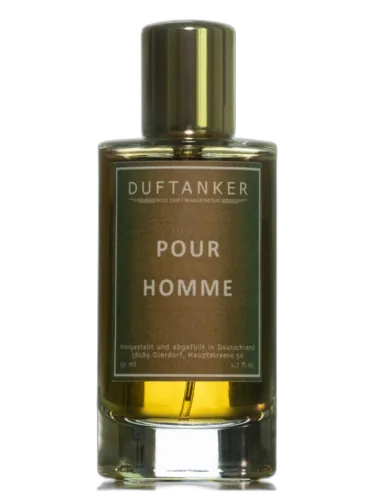
MGO Duftanker
Pour Homme Mgo Duftanker
Shared top notes: lavender

Rochas
Monsieur Rochas Eau De Toilette Concentree Rochas
Shared top notes: chamomile, lavender

Rochas
Monsieur Rochas Eau De Toilette Rochas
Shared top notes: chamomile, lavender
RE CLASSIFIED RE调香室
Yin Candle 隐世灯火 Re Classified Re调香室
Shared top notes: lavender

A Wing & A Prayer Perfumes
Napa A Wing & A Prayer Perfumes
Shared top notes: chamomile, lavender