


Осенний Этюд Алые Паруса (alye Parusa)
Fragrance Story
Осенний Этюд by Алые Паруса (Alye Parusa) is a Floral Aldehyde fragrance for women. Осенний Этюд was launched in 1983. Осенний Этюд was created by Raisa Moroz, Victoriya Rudyavskaya and Nelli Korotkaya. Top notes are Aldehydes, Bitter Orange, Jasmine and Rose; middle notes are Lactones, Black Pepper and Tobacco; base notes are Musk, Leather and Sandalwood.
Composition Profile
About the Perfumer

Nelli Korotkaya
Nelli Korotkaya is a Russian perfumer known for her work with the brand Алые Паруса (Alye Parusa). Her fragrances include Искушение, Осенний Этюд, and Эрос, which often feature floral and romantic accords. Her compositions reflect a distinctly Russian perfumery tradition.
Fragrance Notes
Top Notes
First impression · 15-30 min
 Aldehydes
 Bitter Orange
 Jasmine
 Rose
Rose
Heart Notes
Core character · 2-4 hours
 Lactones
 Black Pepper
 Tobacco
Base Notes
Lasting impression · 4+ hours
 Musk
Musk
 Leather
 Sandalwood
Осенний Этюд Алые Паруса (alye Parusa) by Алые Паруса (Alye Parusa) offers a distinctive olfactory experience that stands out from other fragrances in its category.
Crafted with the finest ingredients and a blend of traditional and modern perfumery techniques, this fragrance represents the pinnacle of the perfumer's art.
Осенний Этюд Алые Паруса (alye Parusa) embodies the distinctive style of Алые Паруса (Alye Parusa) while adding a unique chapter to their fragrance portfolio.
Character Profile
The Lover Archetype: Portrait of Осенний Этюд Алые Паруса (alye Parusa)
Essence
This person is most closely aligned with the Poet archetype, a variant of the Creator. They are drawn to beauty in its most transient forms-the melancholy of autumn leaves, the fleeting warmth of a fading sun, the bittersweet nostalgia of memories half-remembered. The fragrance Осенний Этюд Алые Паруса ("Autumn Etude: Scarlet Sails") resonates with them because it embodies the poetry of decay and renewal, the interplay of warmth and melancholy.
Like all Poets, they seek to transform the mundane into the sublime. They do not merely experience life; they interpret it, turning moments into metaphors. Their mind is a loom where sensory impressions are woven into meaning.
Style & Aesthetic
Their tastes are refined but never ostentatious. They prefer the understated elegance of natural textures-wool, linen, aged leather-over flashy displays. Their wardrobe is a muted symphony of deep burgundies, forest greens, and charcoal grays, as if they are perpetually dressed for an autumn evening. They might collect old books, not for rarity, but for the scent of yellowed pages and the weight of history in their hands.
In music, they are drawn to compositions that evoke longing-Chopin’s nocturnes, the melancholic strains of Russian romances, or the haunting minimalism of Arvo Pärt. They do not shy away from sadness; they cultivate it, believing that sorrow, like autumn, has its own richness.
Philosophically, they are neither optimists nor pessimists, but aesthetes of transience. They accept that all things fade, yet they find beauty in that very impermanence. Their worldview is shaped by the understanding that love, like autumn, is most poignant because it cannot last.
Relationships
Their relationships are deep but often tinged with a quiet reserve. They do not give themselves easily; their love is a slow unfurling, like the gradual turning of leaves. When they care, it is with a quiet intensity-letters written in careful script, gifts chosen with deliberate thought, conversations that linger in the mind long after they end.
Yet, their shadow emerges here: a tendency toward emotional withdrawal. They romanticize solitude, sometimes to the point of self-imposed isolation. They fear the vulgarity of excessive emotion, and so they retreat into the safety of observation rather than participation. Their partners may find themselves longing for a warmth that is always just out of reach.
Shadow
The Poet’s greatest flaw is their propensity for nostalgia. They can become so enamored with the past-with lost loves, faded glories, the "what might have been"-that they neglect the present. At their worst, they are not merely appreciative of melancholy but addicted to it, turning their life into an endless autumn without the promise of spring.
They may also struggle with indecision, paralyzed by the fear of making the wrong aesthetic choice. Life, for them, is a composition, and they hesitate to mar its harmony with clumsy action. This can render them passive, a spectator in their own existence.
Conclusion
When integrated, the Poet does not merely admire beauty-they create it. They write, paint, compose, or simply live in a way that turns the ordinary into art. Their sensitivity, though sometimes a burden, allows them to perceive what others overlook: the way light slants through a window, the weight of a silence between two people, the scent of rain on dry earth.
They are not meant for grand gestures or loud proclamations. Their power lies in the quiet, the subtle, the things that linger in the mind like the last notes of a fading song. And in that, they are unforgettable.
Similar Fragrances
Fragrances with a comparable profile - shared accords, notes, and character.
Алые Паруса (Alye Parusa)
Осенний Этюд Алые Паруса (alye Parusa)
Shared accords: aldehydic, citrus, fresh
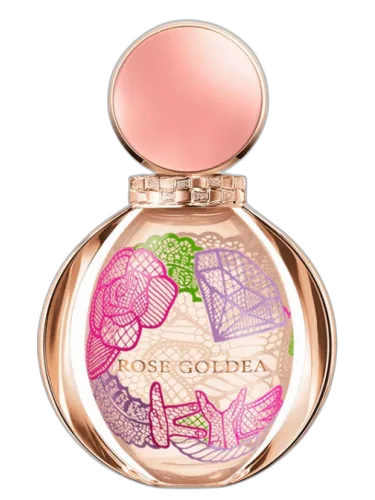
Bvlgari
Rose Goldea Kathleen Kye Edition Bvlgari
Shared accords: citrus, fresh, fresh spicy
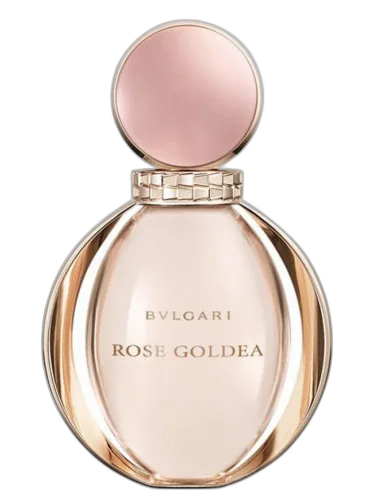
Bvlgari
Rose Goldea Bvlgari
Shared accords: fresh, fresh spicy, musky
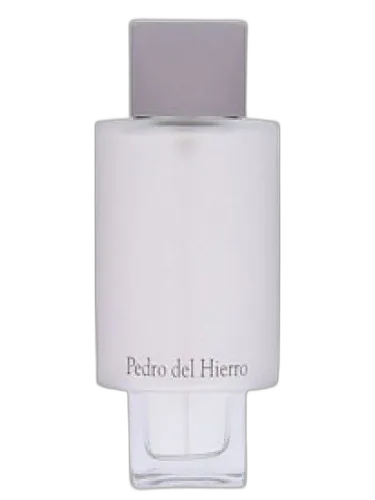
Pedro Del Hierro
Pedro Del Hierro Pedro Del Hierro
Shared accords: citrus, fresh spicy, musky

Lancôme
La Vie Est Belle Flowers Of Happiness Sparkling Limited Edition Lancôme
Shared accords: citrus, fresh, fresh spicy