
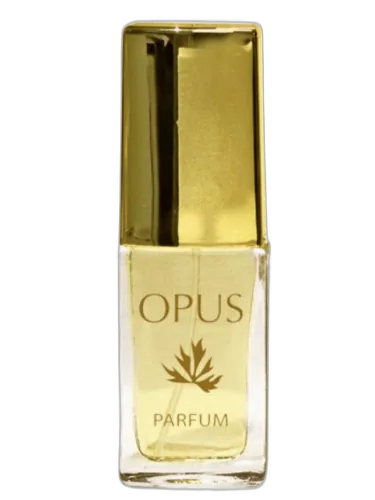

Opus Новая Заря (the New Dawn)
Fragrance Story
Opus by Новая Заря (The New Dawn) is a Oriental fragrance for women. Opus was launched in 2001. Top notes are Cinnamon, Black Pepper, Pea and Orange; middle notes are Carnation, Ylang-Ylang, Rose and Jasmine; base notes are Vanilla and Patchouli.
Composition Profile
About the Perfumer

Unknown Perfumer
Fragrance Notes
Top Notes
First impression · 15-30 min
 Cinnamon
 Black Pepper
 Pea
Pea
 Orange
Heart Notes
Core character · 2-4 hours
 Carnation
 Ylang-Ylang
 Rose
Rose
 Jasmine
Base Notes
Lasting impression · 4+ hours
 Vanilla
 Patchouli
Opus Новая Заря (the New Dawn) by Новая Заря (The New Dawn) offers a distinctive olfactory experience that stands out from other fragrances in its category.
Crafted with the finest ingredients and a blend of traditional and modern perfumery techniques, this fragrance represents the pinnacle of the perfumer's art.
Opus Новая Заря (the New Dawn) embodies the distinctive style of Новая Заря (The New Dawn) while adding a unique chapter to their fragrance portfolio.
Character Profile
The Lover Archetype: Portrait of Opus Новая Заря (the New Dawn)
Essence
This person is most closely aligned with the Alchemist-a seeker of transformation, a weaver of meaning, and a soul who perceives beauty in the interplay of the ephemeral and the eternal. The Alchemist does not merely wear fragrance; they commune with it, sensing in its notes the echoes of their own metamorphosis. Opus Новая Заря-New Dawn-is not a scent to them but a symbol, a distillation of their belief in rebirth, in the quiet power of dawn after the long night.
They are drawn to this fragrance because it is both classical and enigmatic, a bridge between the past and the future. Like the Alchemist, they see themselves as a crucible where contradictions meld into harmony-where tradition and innovation, melancholy and hope, restraint and passion, find equilibrium.
Shadow
Yet every alchemy has its dross. Their greatest flaw is a tendency toward self-enclosure, mistaking solitude for strength and distance for wisdom. They may withdraw too deeply into their own world, leaving others outside the gates of their inner sanctum. At times, their pursuit of meaning becomes a refusal of life’s raw, unrefined pleasures-they analyze joy instead of surrendering to it.
There is also a quiet pride in their self-sufficiency, a subtle belief that they are above the common struggles of those who live more superficially. This can harden into disdain, a shadow that tarnishes their otherwise luminous nature.
Conclusion
Their tastes are refined but never ostentatious. They prefer the weight of history in their choices-antique books, well-worn leather, the faintest trace of incense clinging to aged wood. Their wardrobe leans toward timeless elegance: tailored coats, silk scarves, perhaps a single piece of heirloom jewelry. They are drawn to art that suggests rather than declares-subtle brushstrokes, half-finished poems, the pauses in a Chopin nocturne.
Philosophy is not an abstract exercise for them but a lived experience. They might find resonance in Nietzsche’s amor fati, the love of fate, or in the Stoic acceptance of impermanence. Yet they are not resigned; they believe in shaping destiny through quiet persistence. Their values are rooted in depth-loyalty over convenience, meaning over spectacle, authenticity over approval.
Relationships are both their sanctuary and their trial. They crave intimacy but are wary of surrendering their autonomy. Their love is intense but measured, a slow-burning fire rather than a wildfire. They attract those who sense their mystery but may frustrate those who demand simplicity. Their closest bonds are with fellow seekers-those who understand that silence can be a form of communion.
Similar Fragrances
Fragrances with a comparable profile - shared accords, notes, and character.
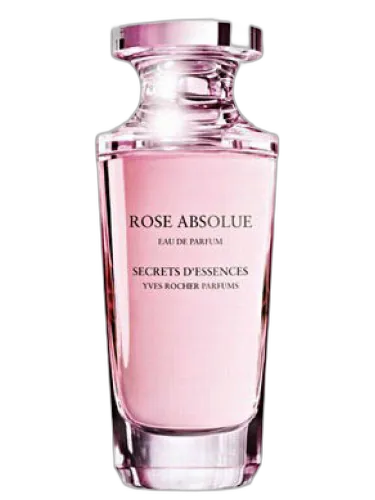
Yves Rocher
Rose Absolue Yves Rocher
Shared accords: cinnamon, floral, patchouli

Nikkos-Oskol Fragrance
Э (je) Nikkos-oskol Fragrance
Shared accords: floral, fresh spicy, patchouli

Bogue
I Love Yy Bogue
Shared accords: floral, sweet, vanilla

Lush
Ai Lush
Shared accords: cinnamon, floral, fresh spicy

Nina Ricci
Les Belles De Ricci Delice D'epices Nina Ricci
Shared accords: cinnamon, floral, sweet